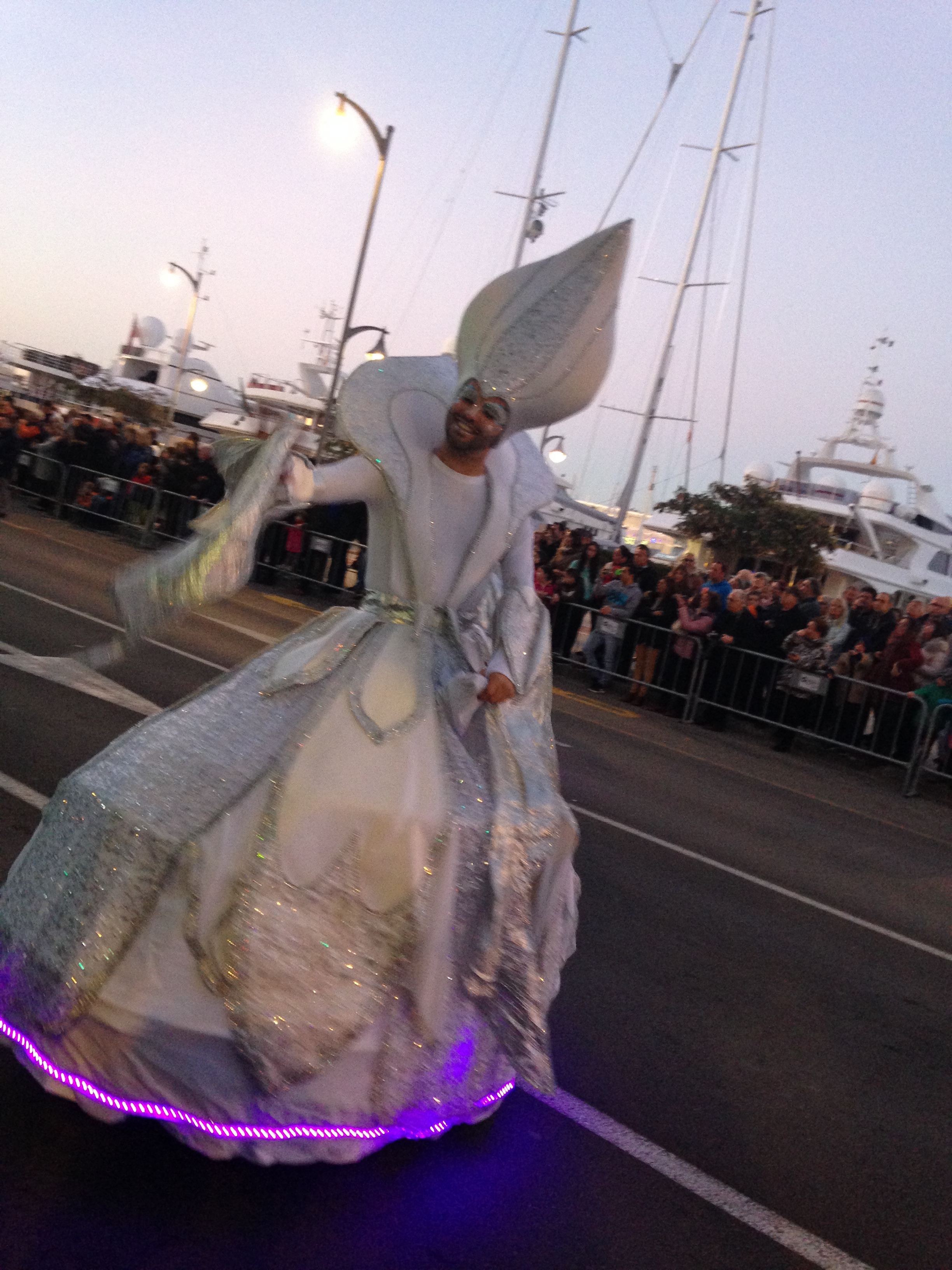
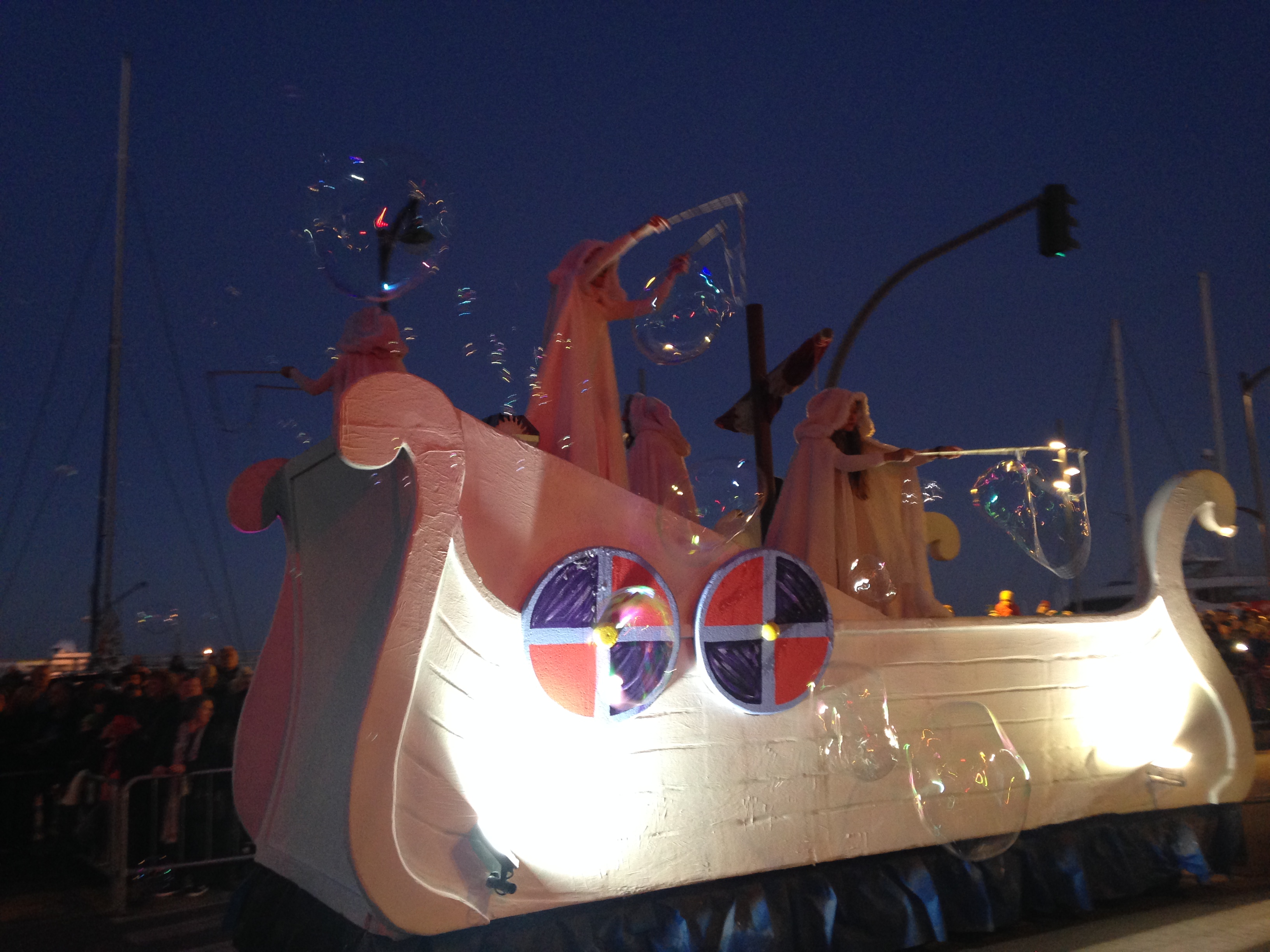
The people of Denia enjoy nothing better than to dress up, and throw a party for all comers.
Please enjoy the racket and weirdness of these, often, incomprehensible events, by watching our shaky video at the end of this piece.
Three Kings Festival. The first, or maybe the second Sunday of January.
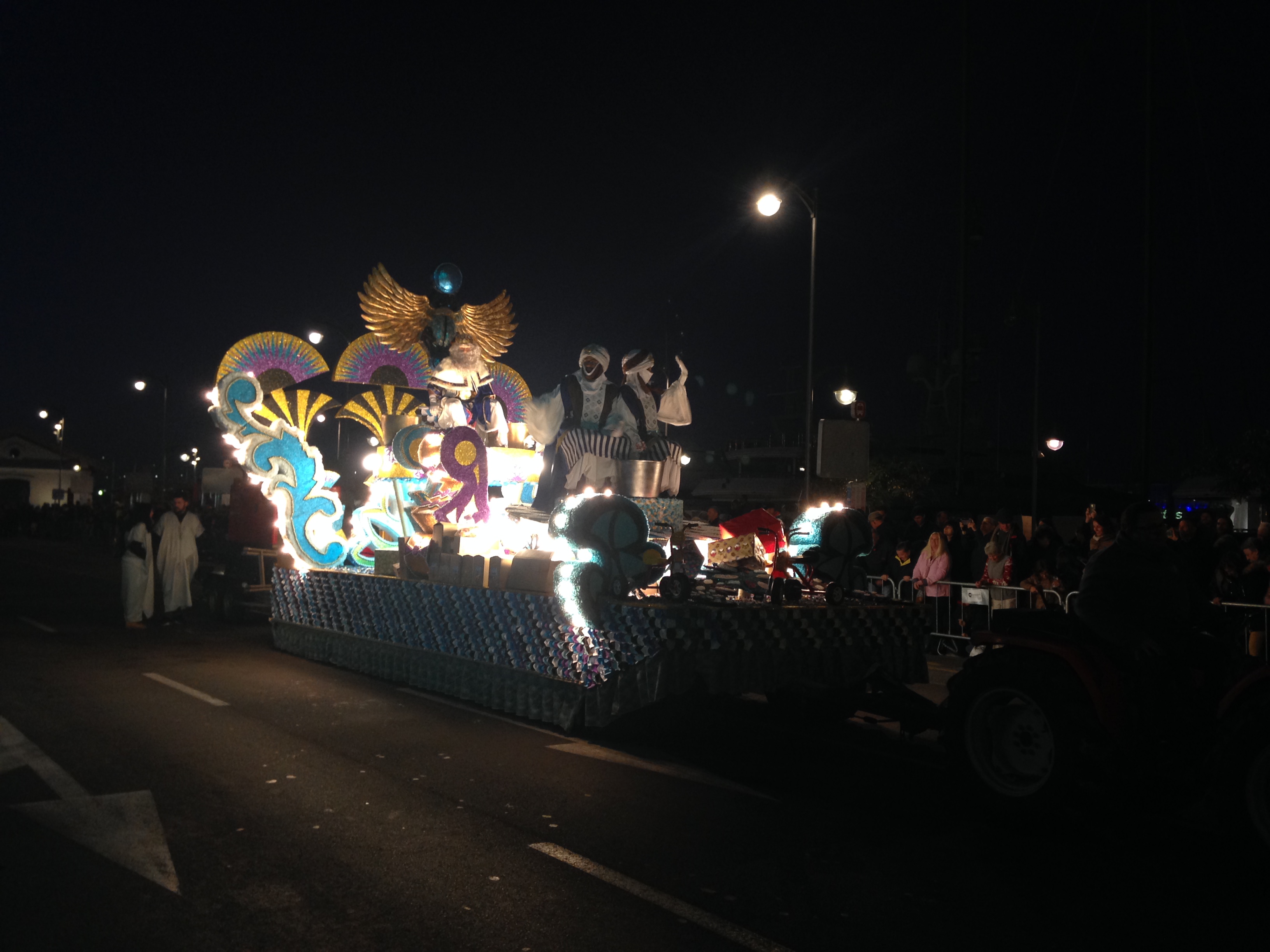
This festival celebrates the time the the Magi found the baby Christ in a manger and offered gifts. Each of The Three Kings, Balthasar, Melchior and Gaspar, is mounted on a be-throned float. The local children can identify and name each King, something we cannot do.
The Kings and their minions bombard any children they see, with huge amounts of boiled sweets which are gathered up with gusto and cries of “Aqui!”. These beaming children accumulate carrier bags full of sweets which they struggle to carry away. This year, we were told that the sweets have had to be a softer variety as hard sweets can hurt little children. That made us laugh.
AnimalBlessing. Around the 20th January.
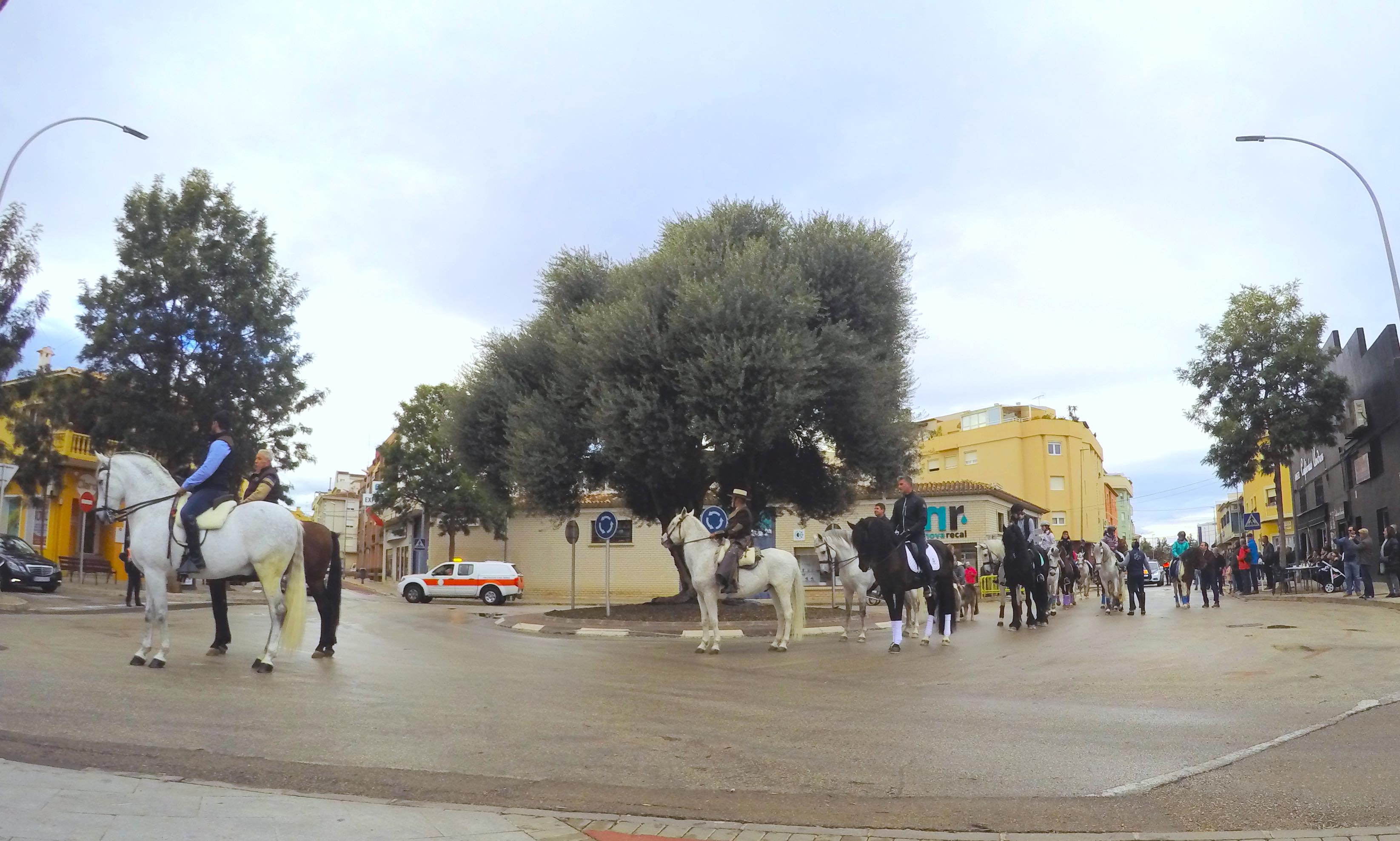
A ramshackle affair, that assembles very slowly and, on this occasion, set off about 2 hours late. The parade wends its’ way around the town, gathering more and more animals along the way, and comes to rest in a local church for a blessing.
Walking With The Madonna. 2nd Sunday in Feb.
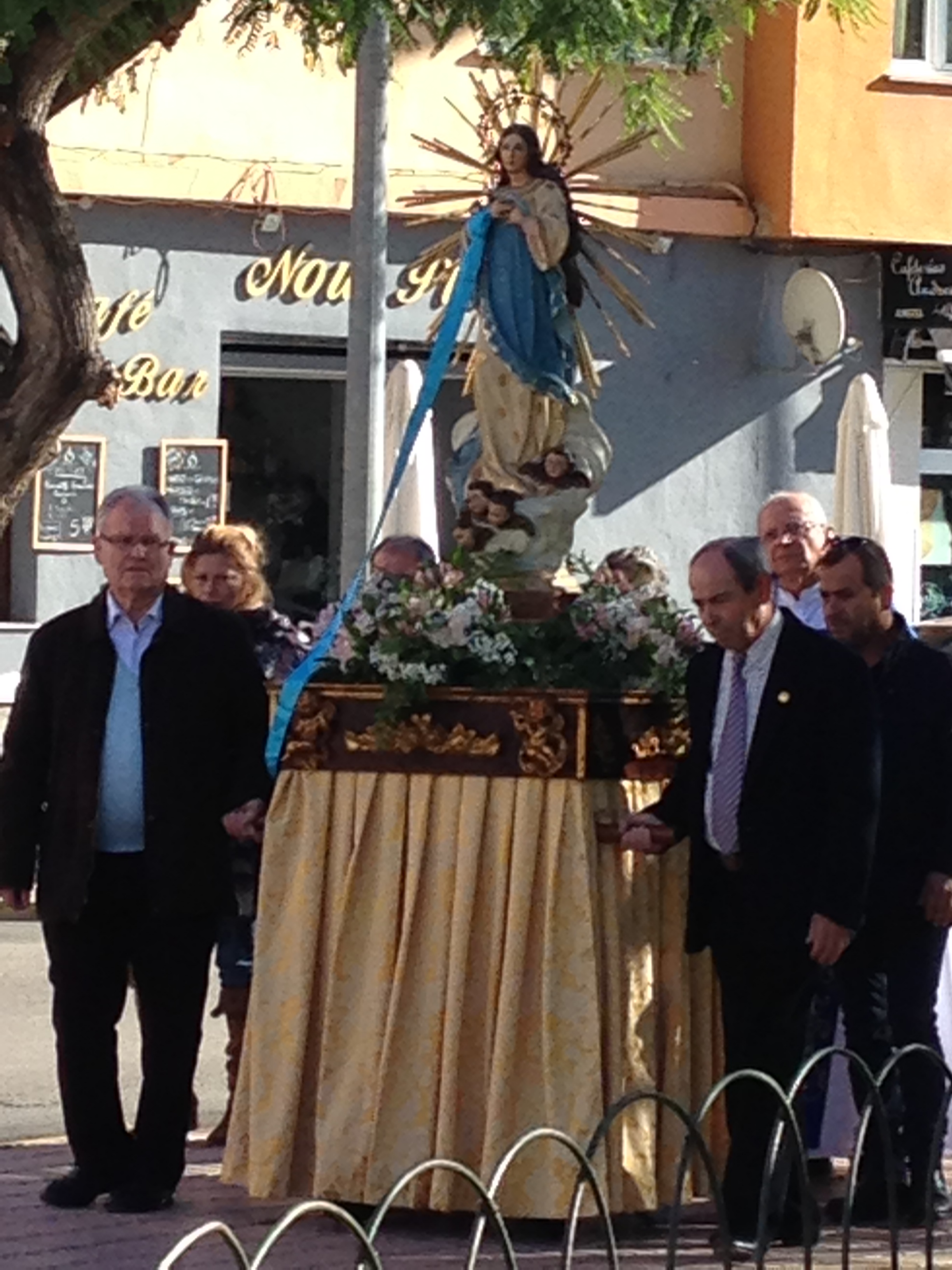
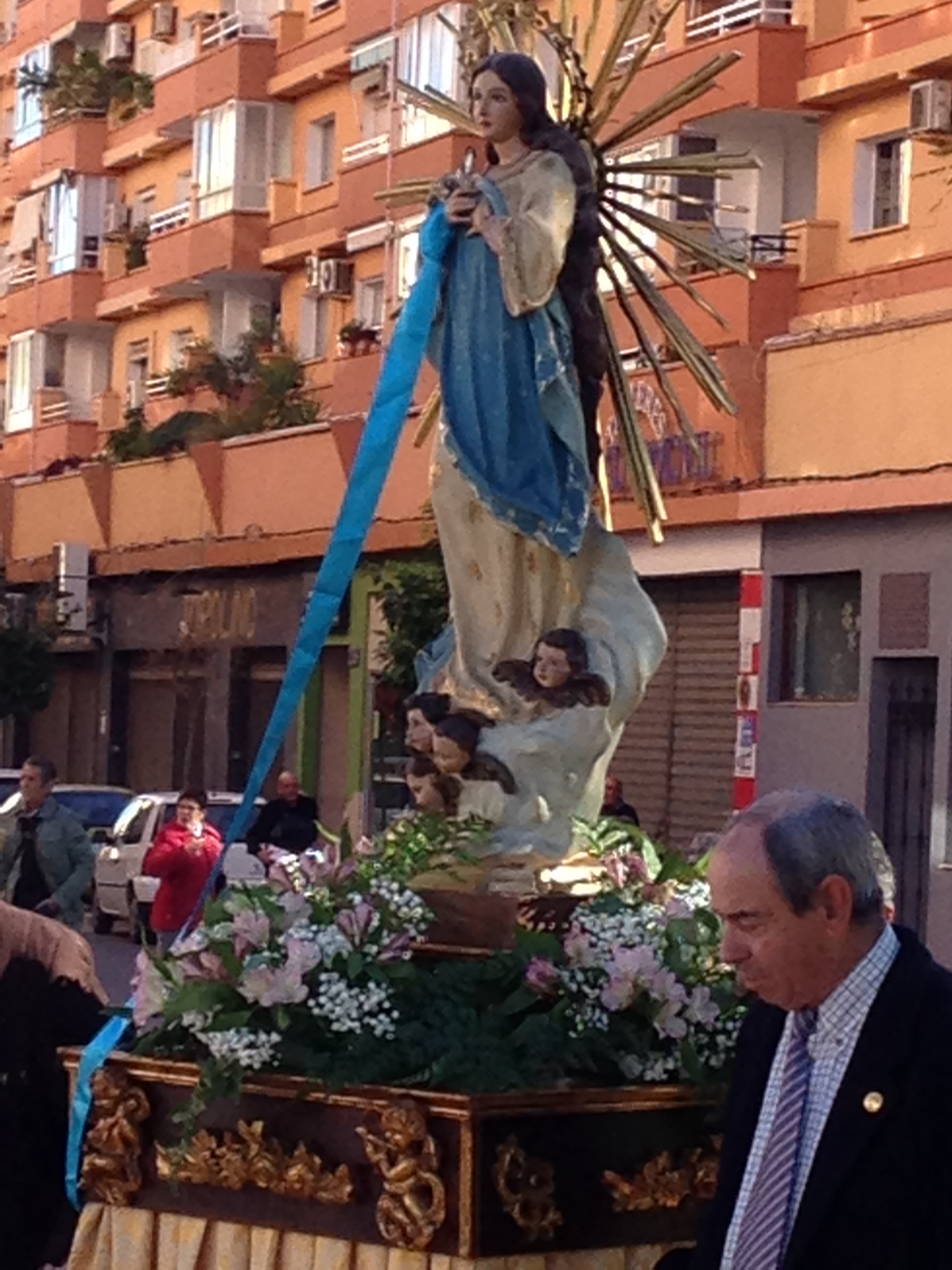
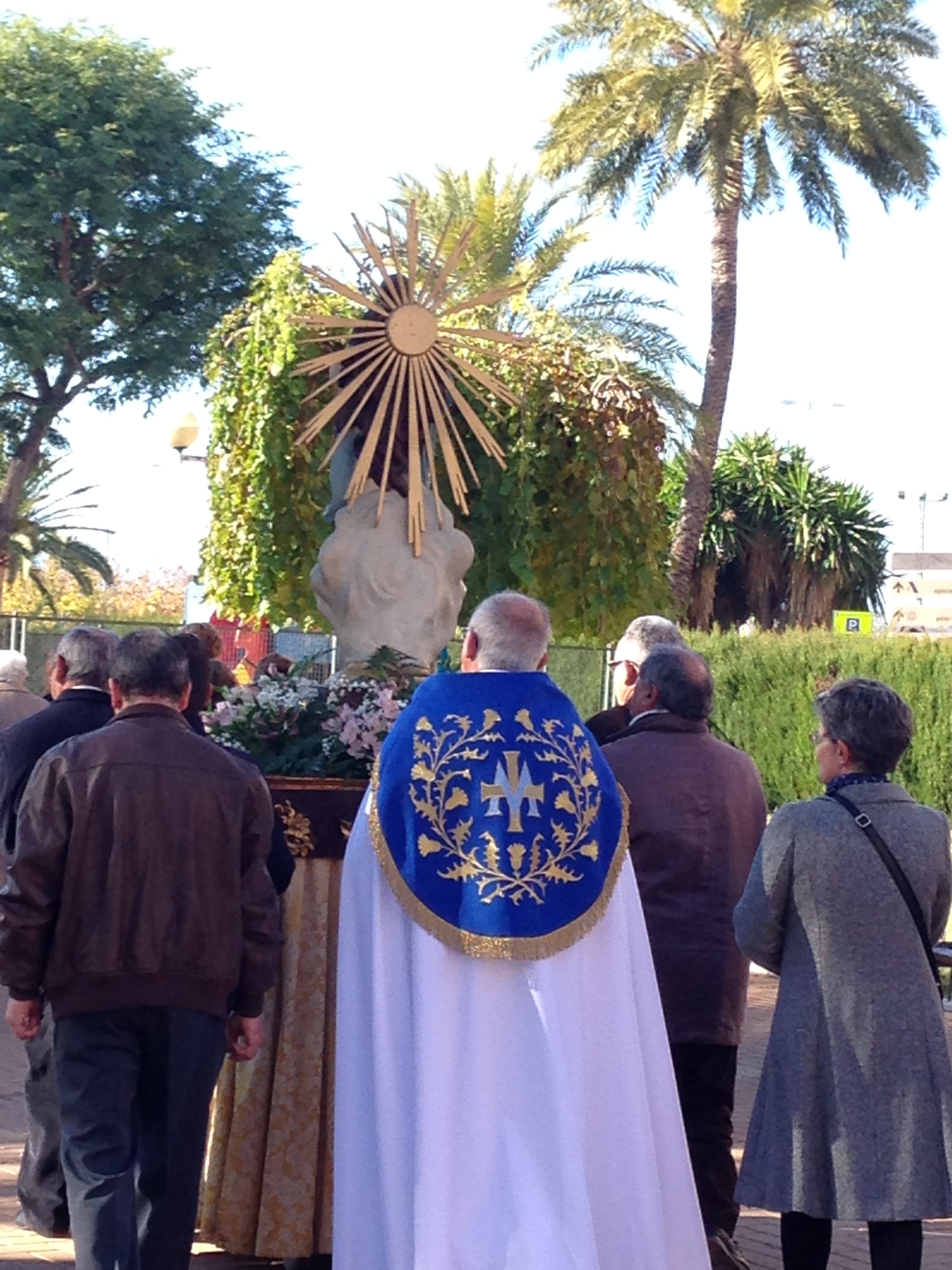
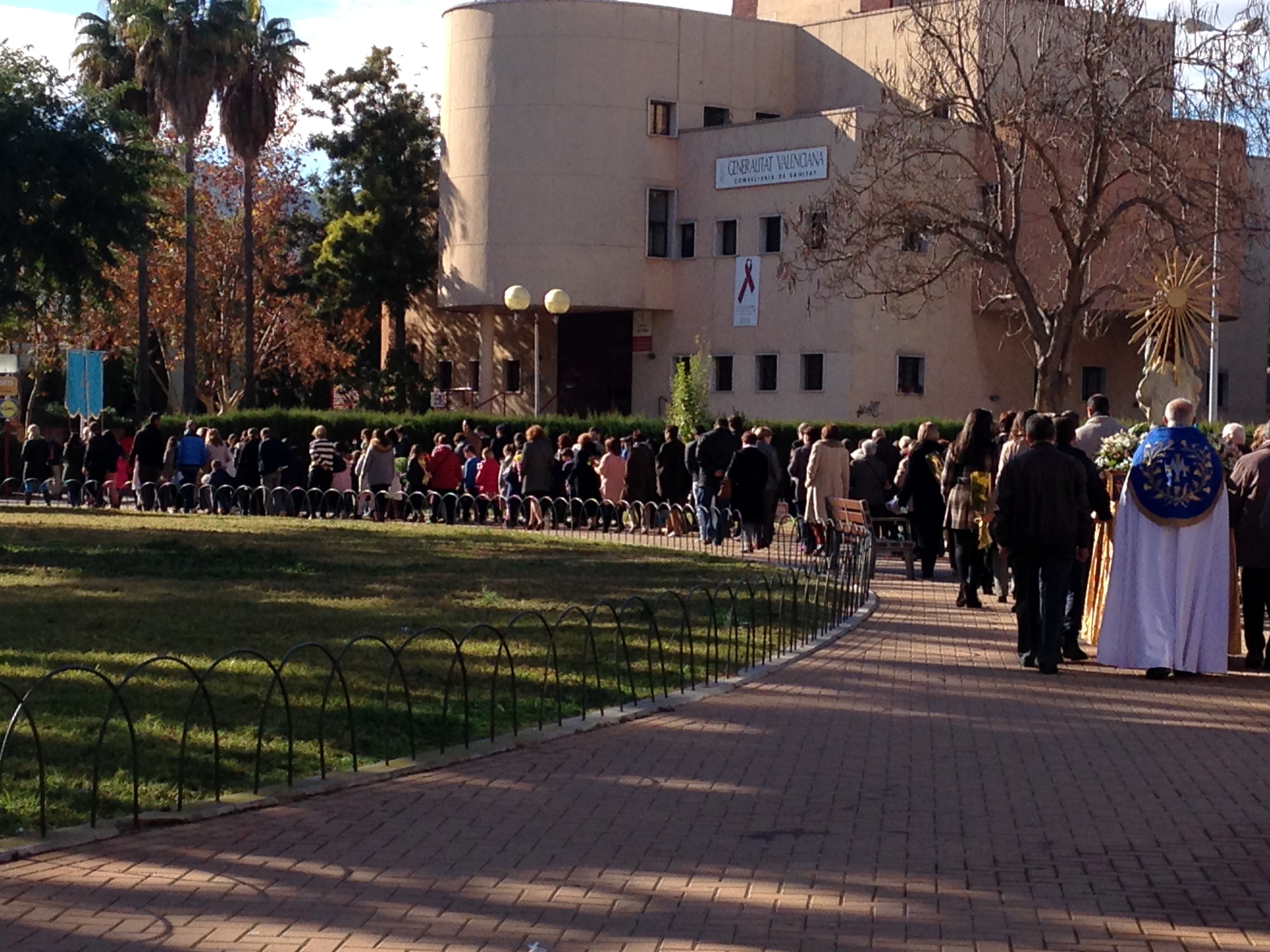
It was just another Sunday Morning in Denia and we stumbled upon this little spectacle. Why here? We do not know. How often? No idea. Have we seen it since? No, sadly.
Moors and Christians. About the last weekend in February, but practicing lasts for weeks.
This shuffle-fest commemorates the time the Moors (Muslim diaspora) left Spain. Near the Port is a cement pavement with prints of naked feet walking towards the sea; a poignant reminder of unstable times.
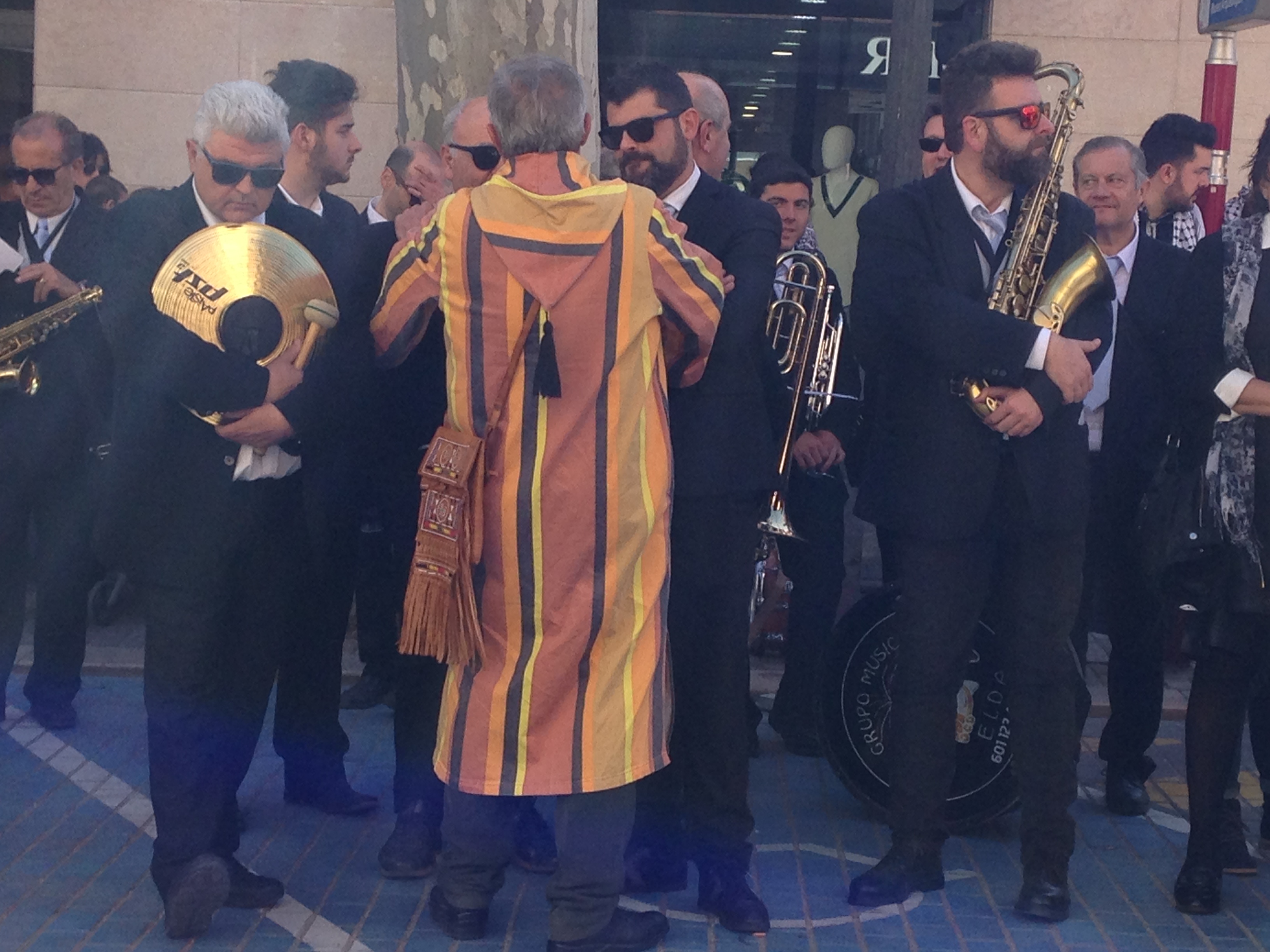
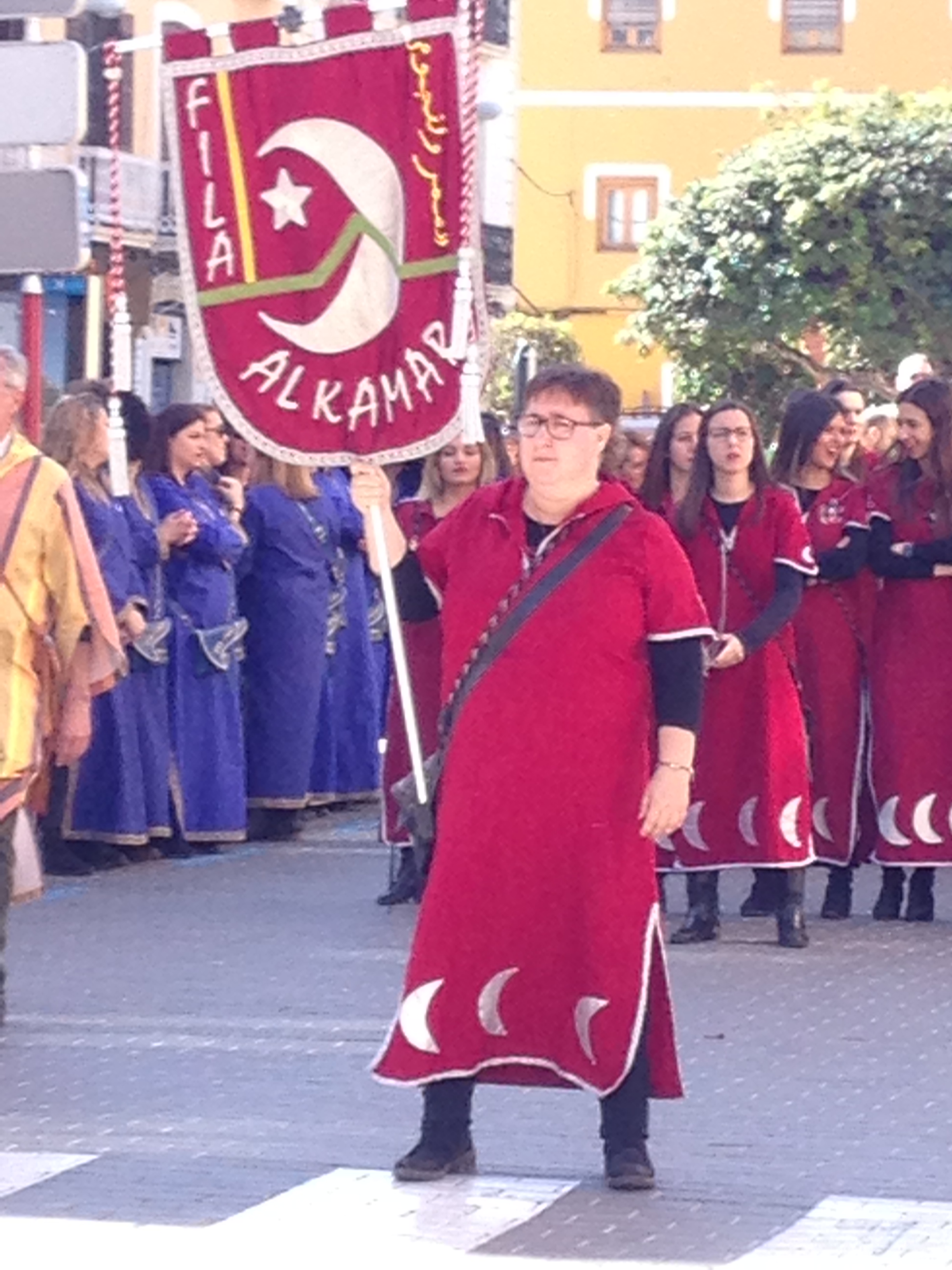
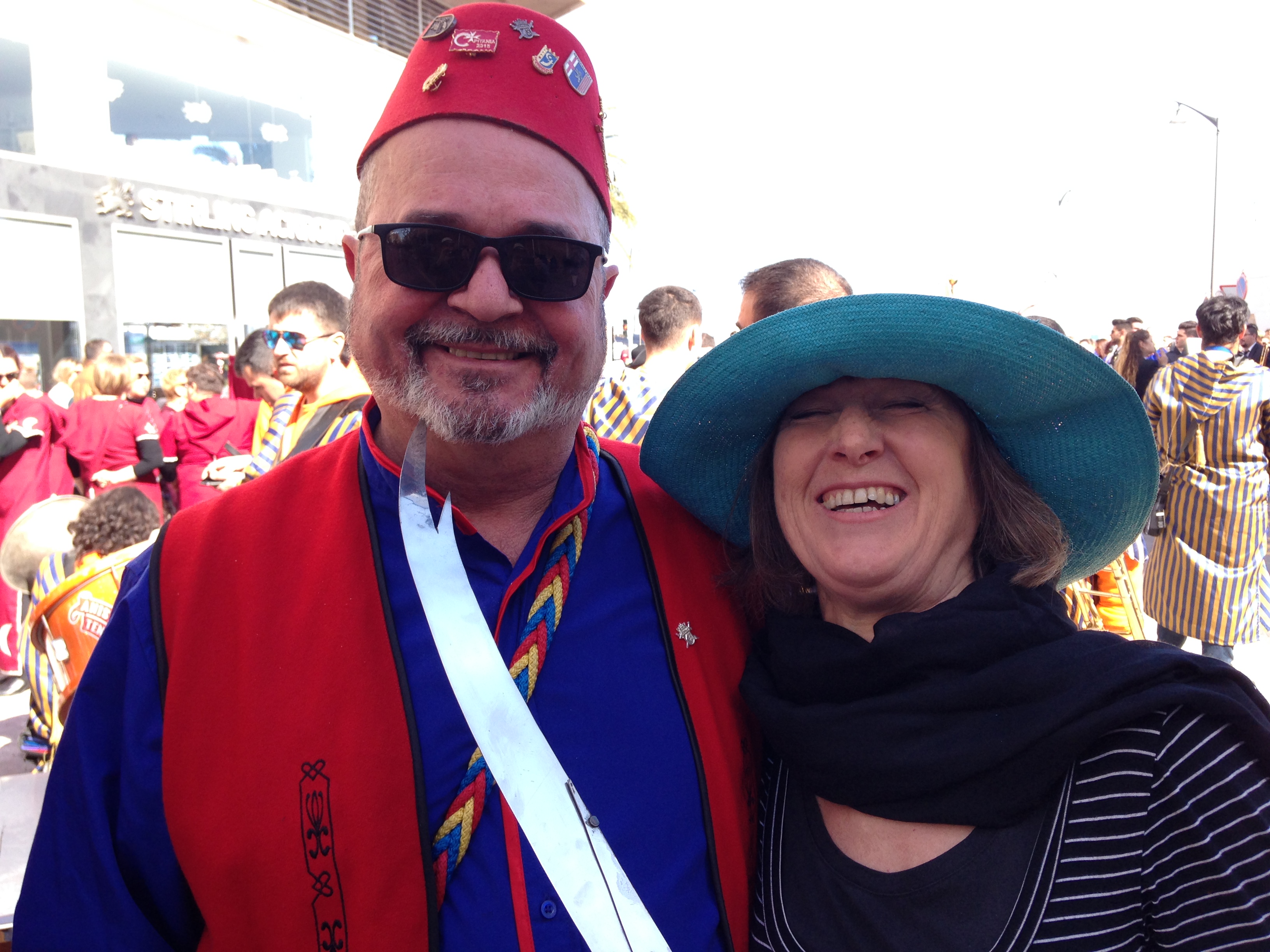
The tradition has teams of all Moors, or all Christians, never a mixture, marching in line, to their own band and strutting, baton twirling/sword weilding leader. Every team has an elaborate uniform. Cigars, held and smoked ostentatiously, are an important feature. Star Wars is a more recent addition! See video.
Why this festival takes on this line upon line of linked armed, shuffling was a complete mystery. Why there were no mixed Moor and Christian, or mixed gender teams, was also a complete mystery. And why it takes a month of practicing in the streets before culminating in a full day event; we have not a clue.
World Feminist Day: Saturday 8th March 2019.
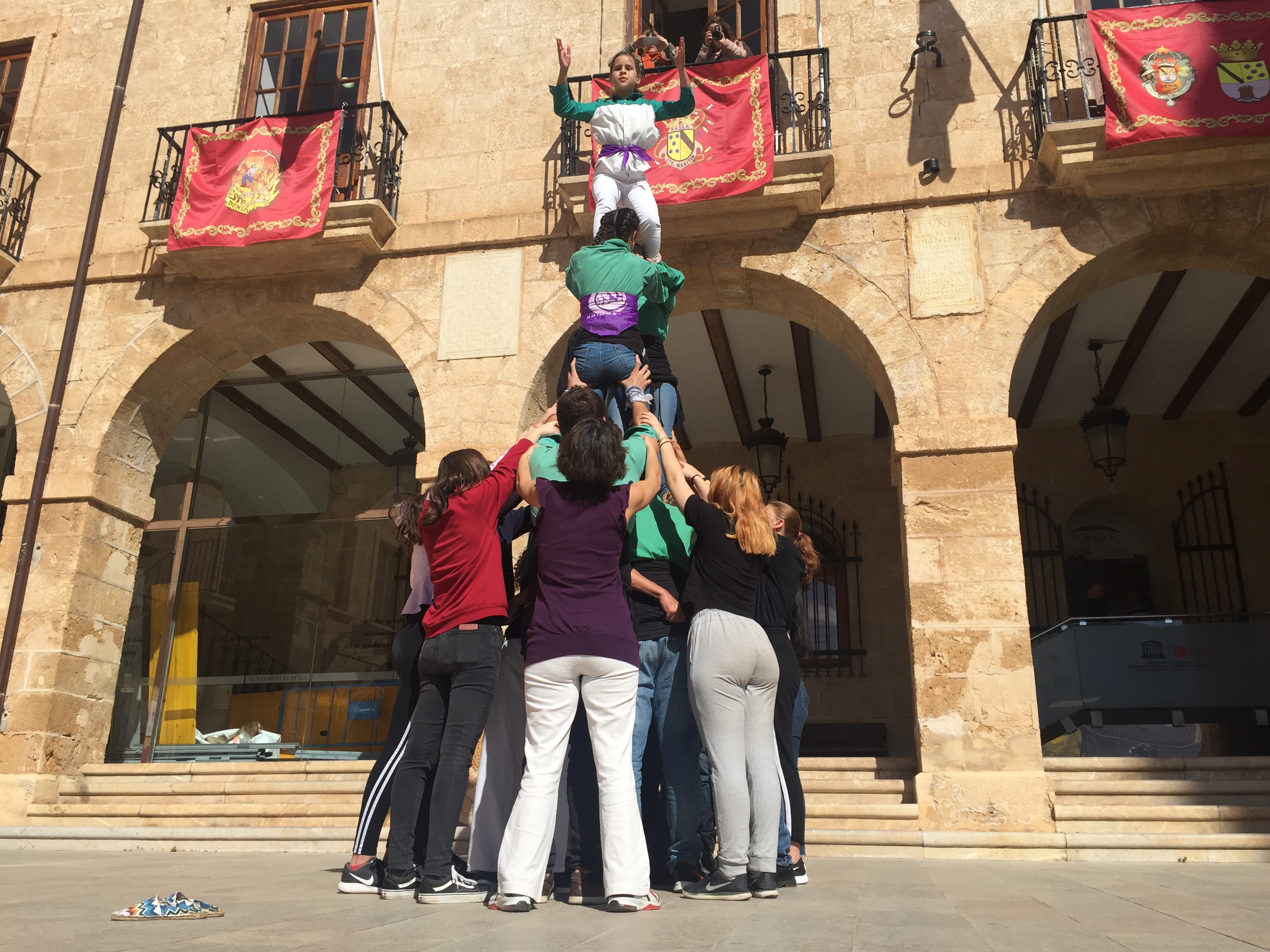
A group of girls form a human tower; with the help of men. You could not make it up. Did it represent the heights all women must go to so that just one of them might get high enough to put a crack in that glass ceiling? It is anyones guess.
Fallas: Culminated 19th March in 2019.
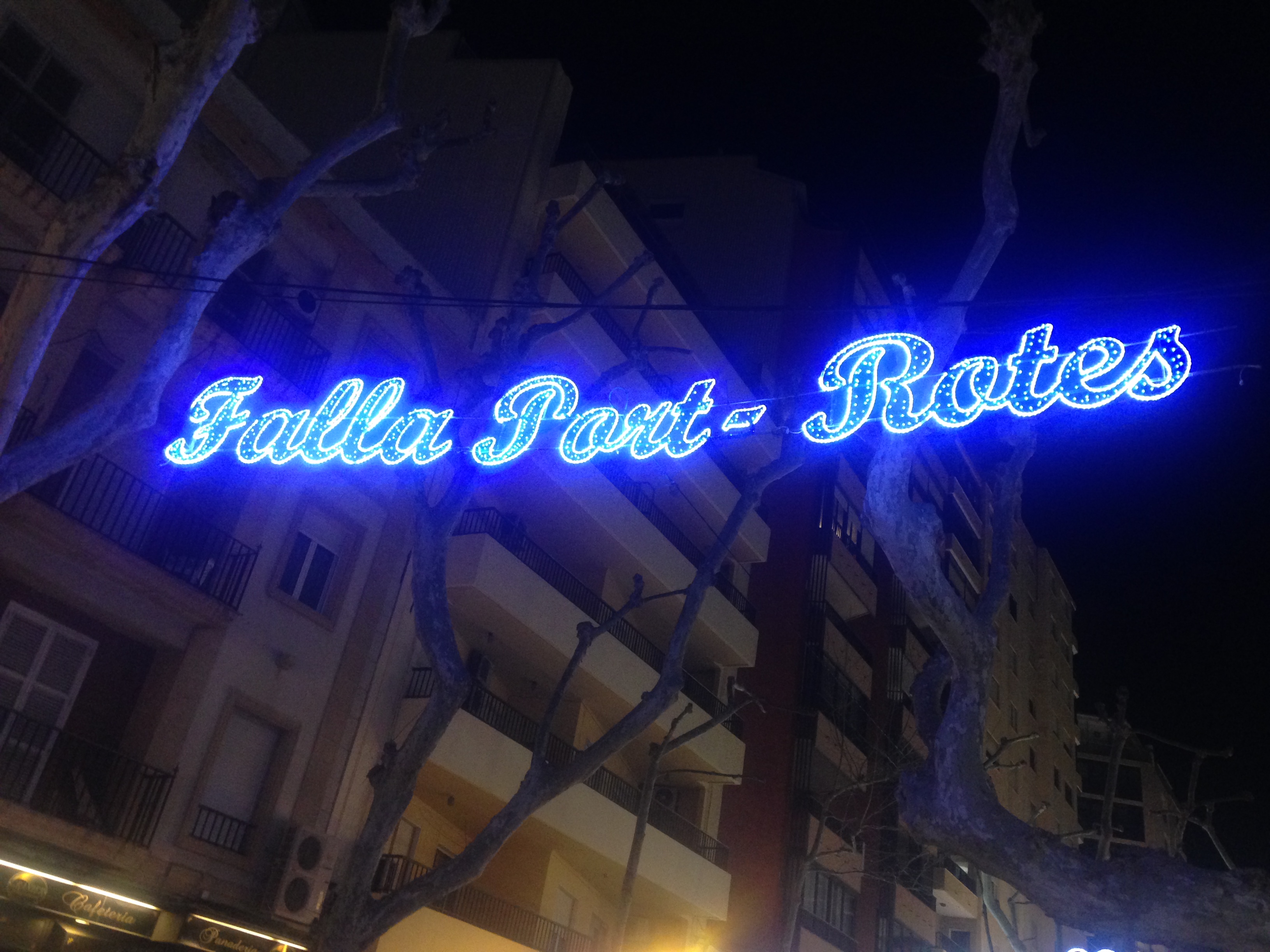
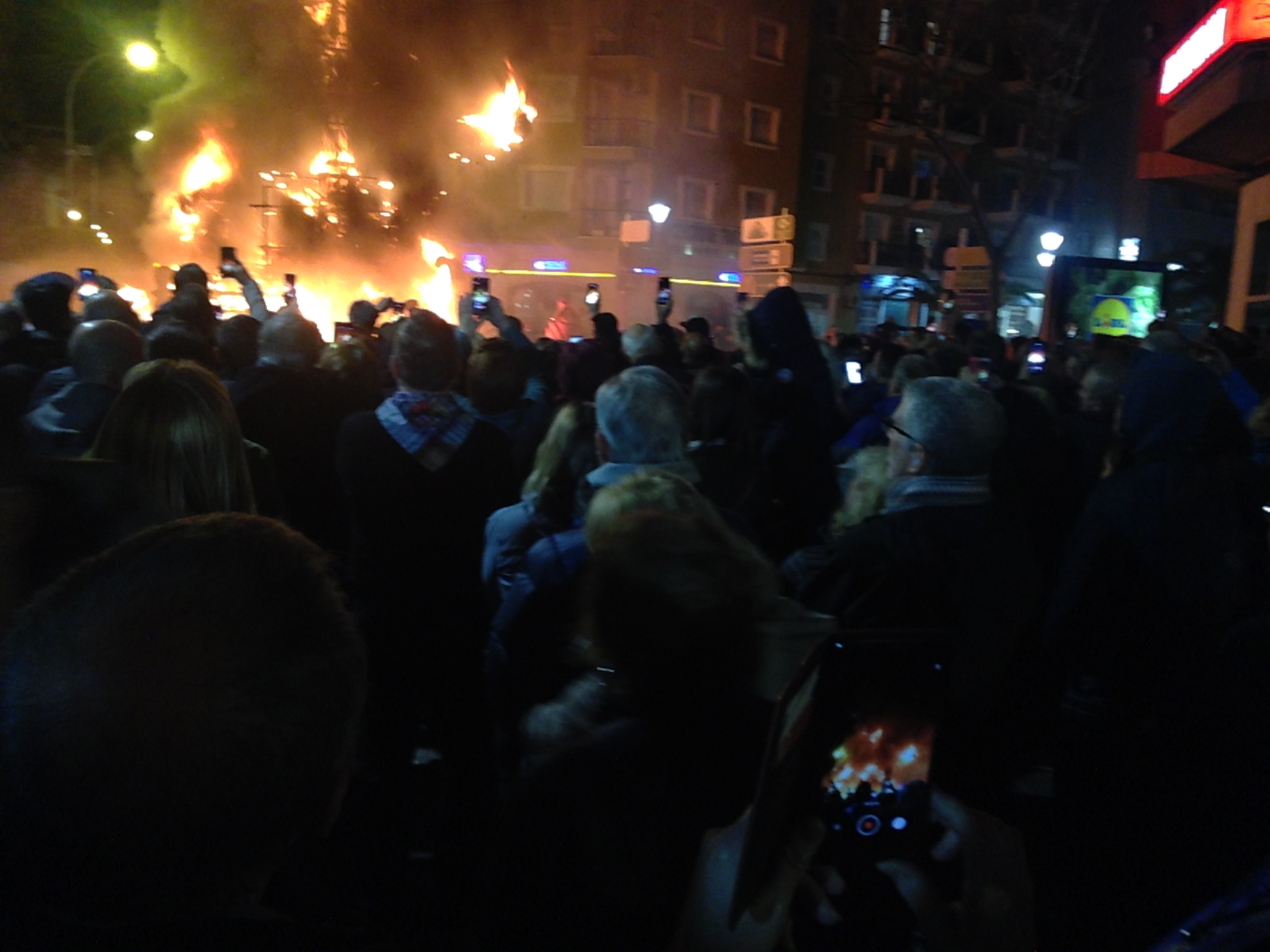
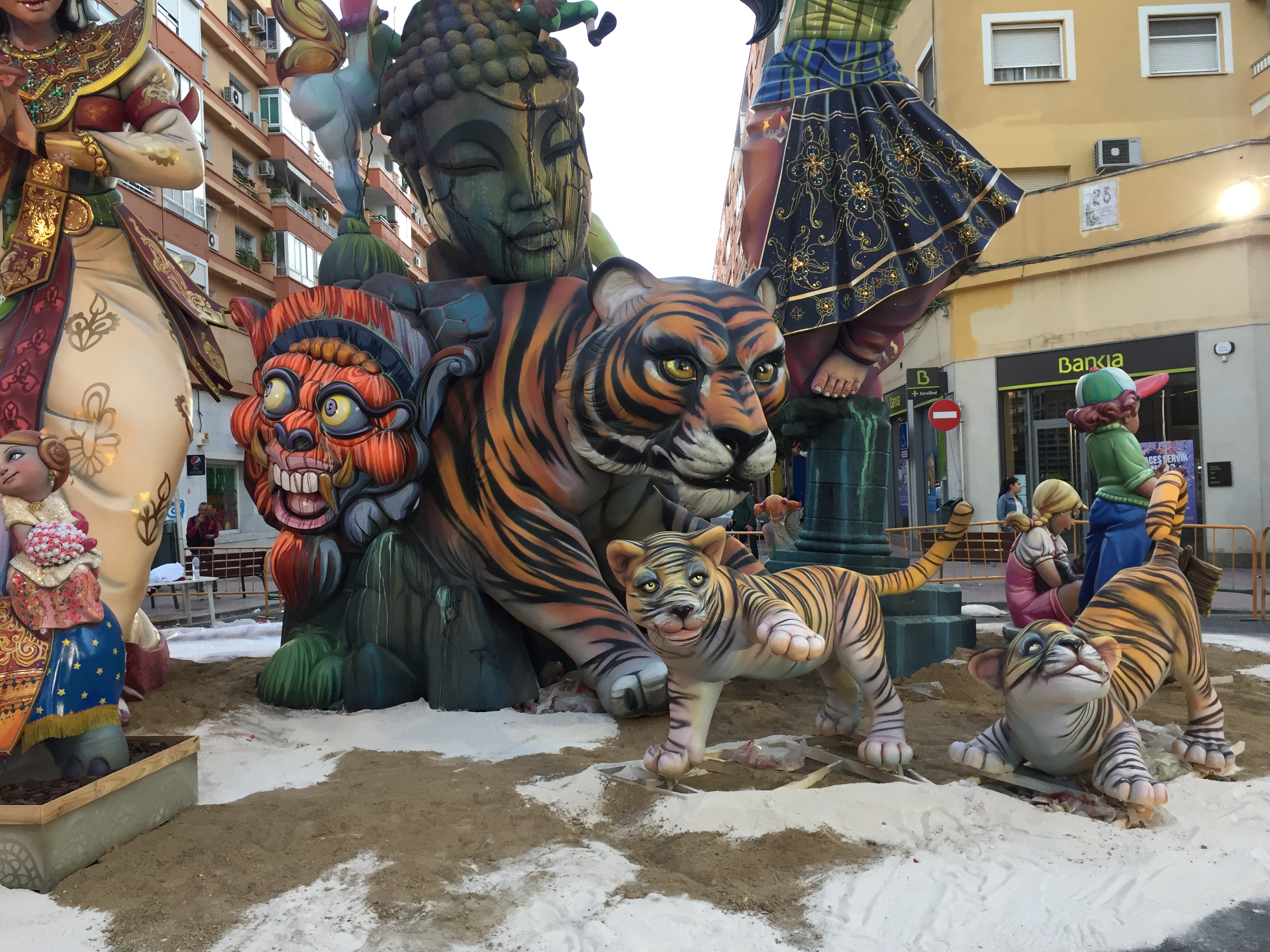
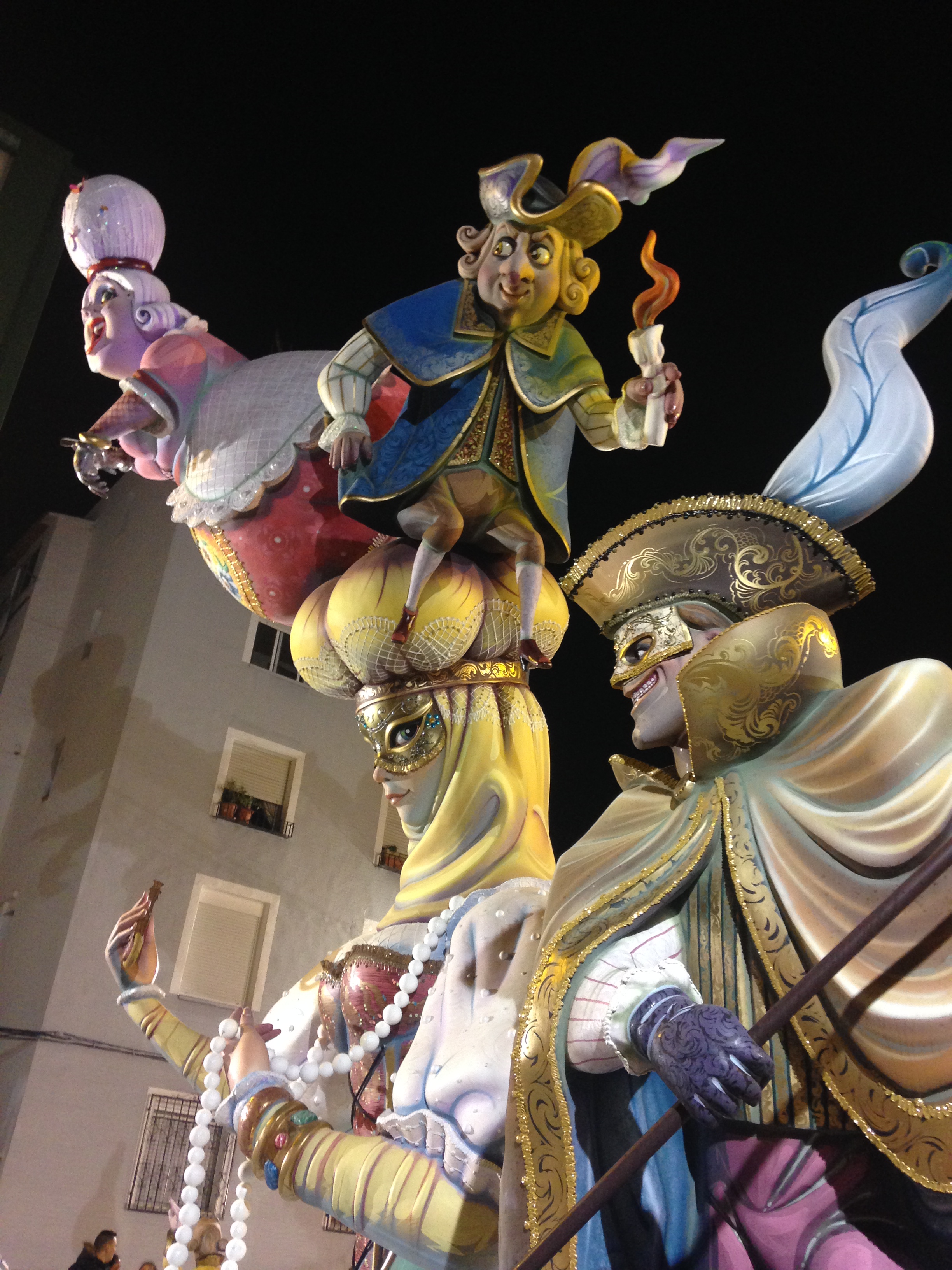
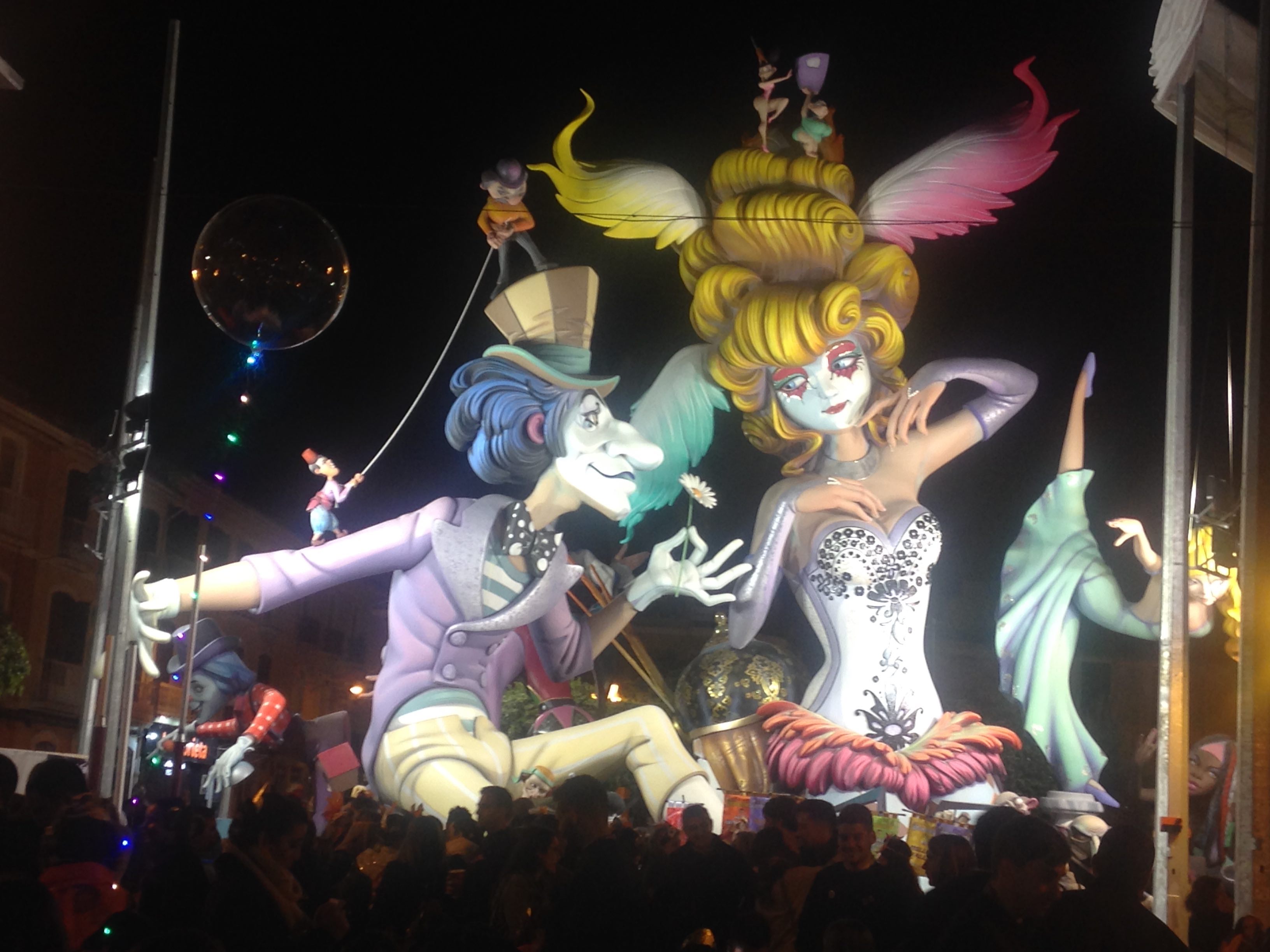
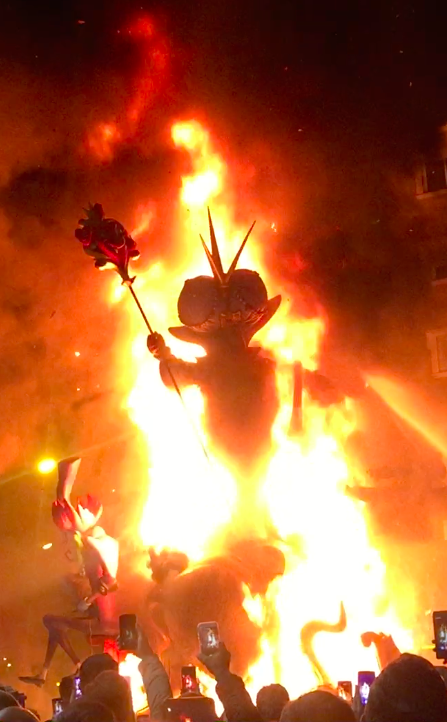
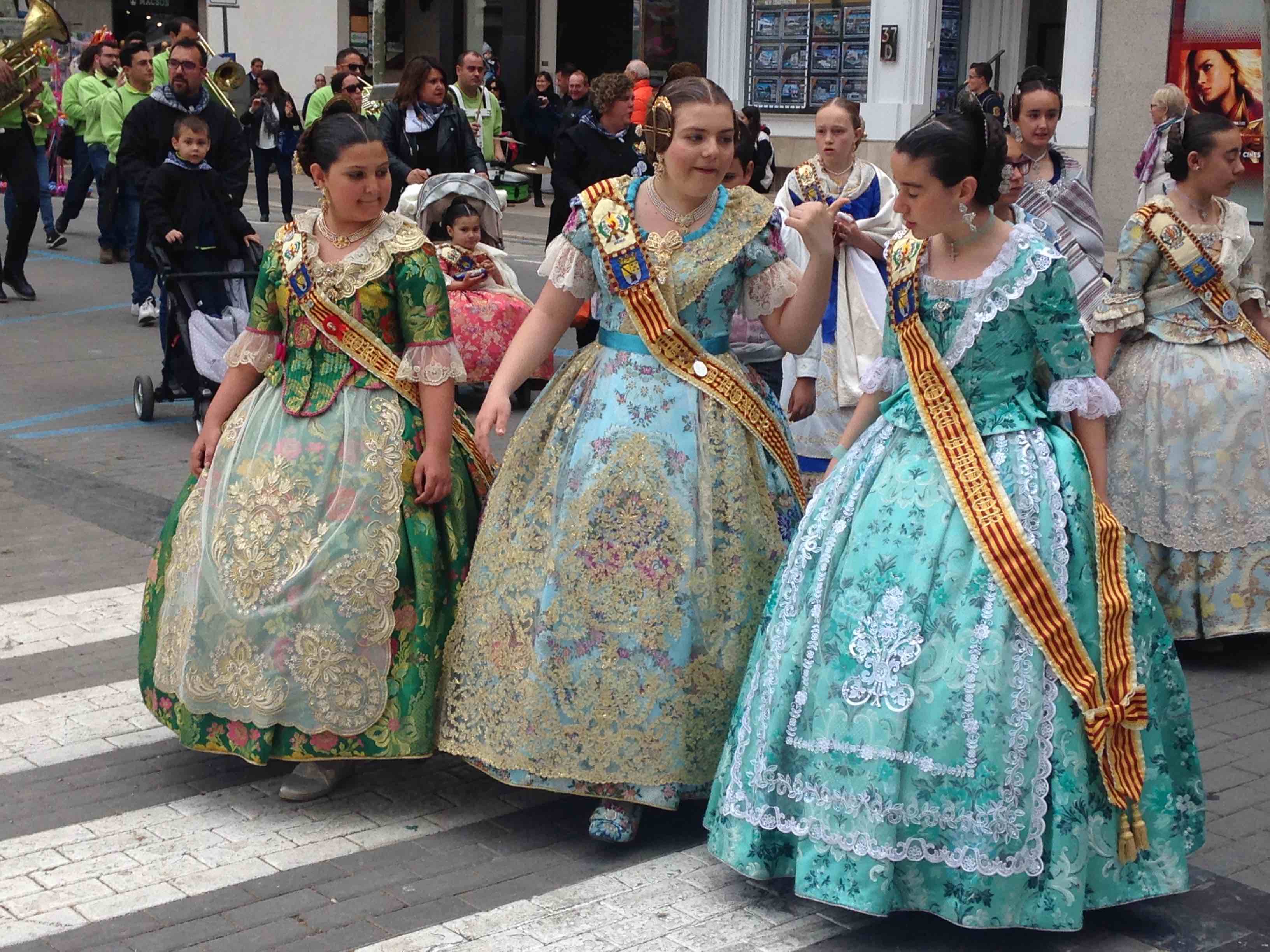
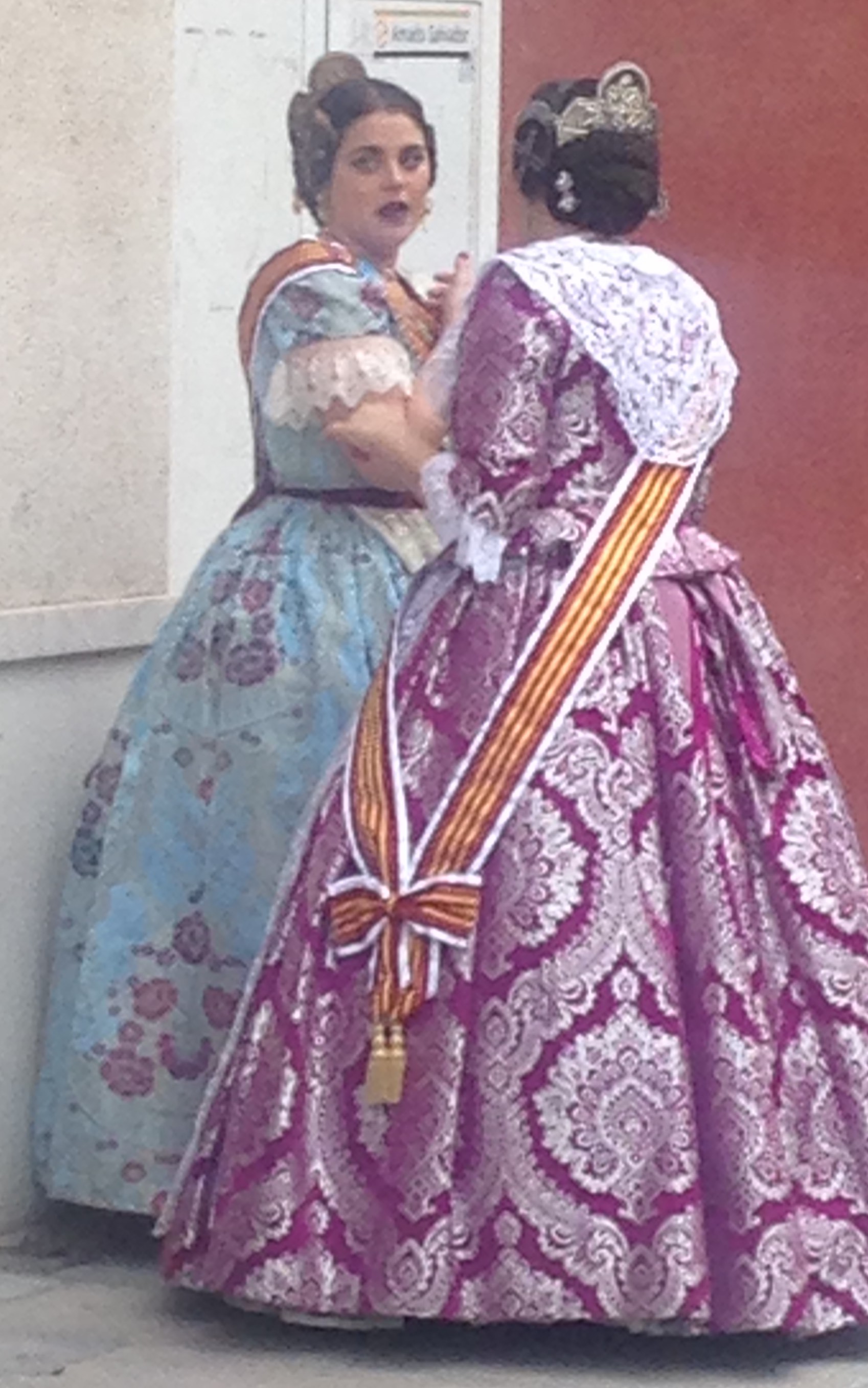
This double themed festival lasts for weeks. A mixture of May Queen ( in UK terms) where everyone gets to be Royal for the day, and an ultra artistic Bonfire night. The final big parade of fabulously dressed locals and their children, the assembling of the massive, sacrificial tableaux, the fireworks and the bonfires are held over one day and night.
This whole event is a sensory overload, with the two festivals rolled into one. Again, we have no idea what was going on, or why. The Spring equinox Pagan tradition, with flowers to the virgin, all makes sense. Burning paper mâché effigies on town centre cross roads, is, to put it mildly, nuts.
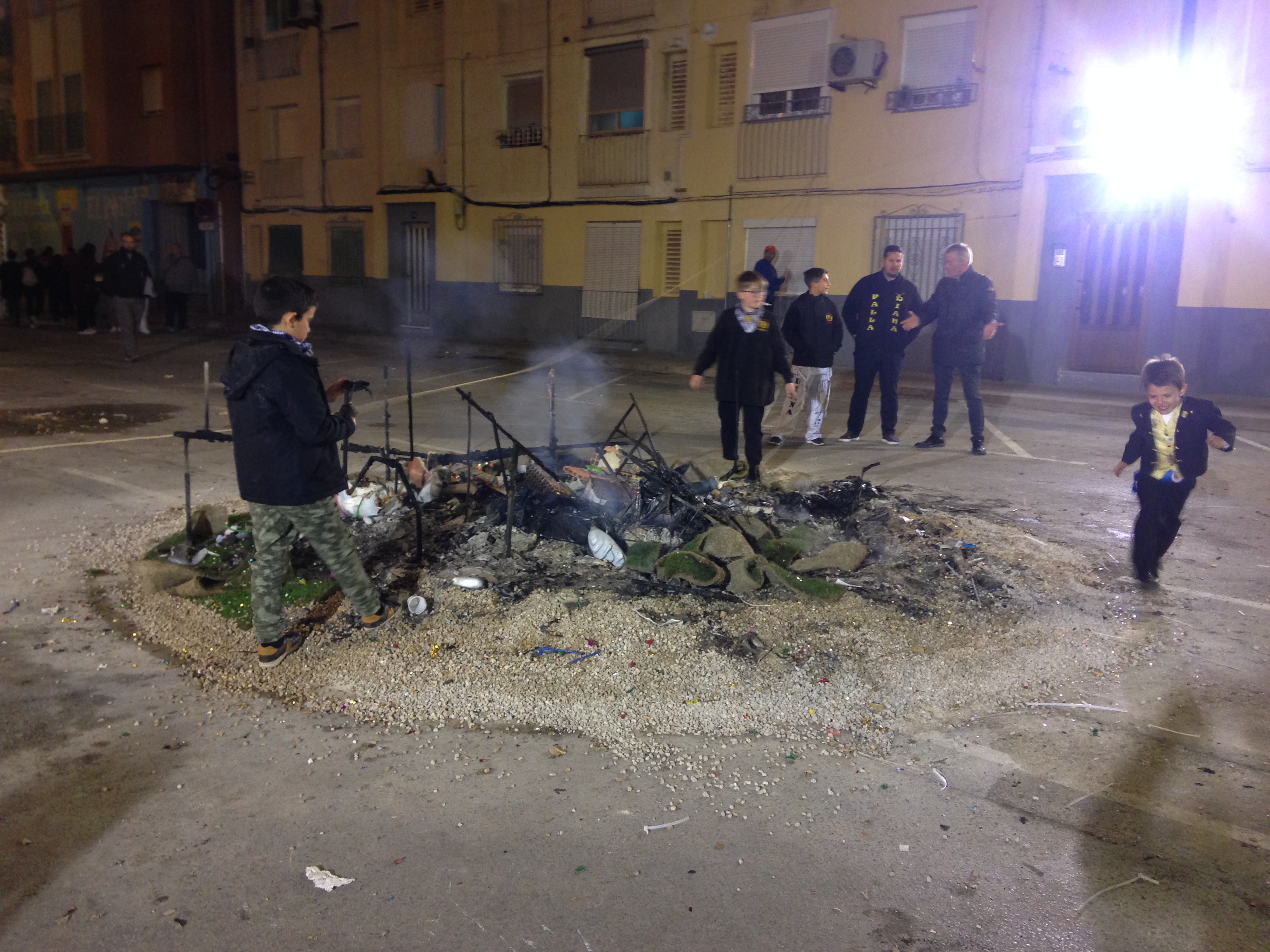
The bonfire part of the Fallas festival. Each area of the town makes a display, some massive, others modestly sized and places it in the heart of their district. After judging, the best model is saved from the flames for future exhibitions; the rest are reduced to ashes, one gorgeous display at a time. The burnings last until the small hours of the morning.
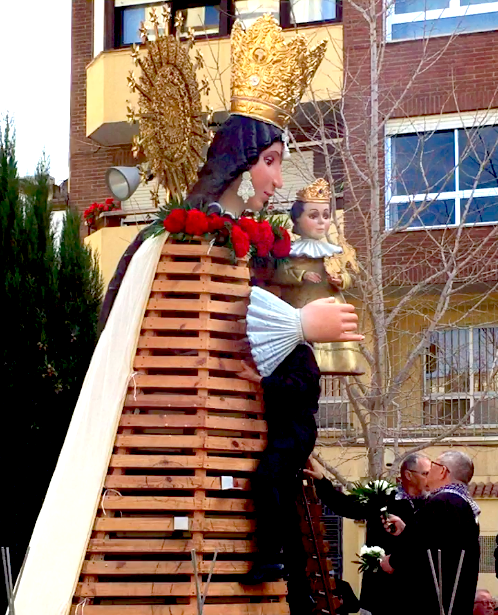
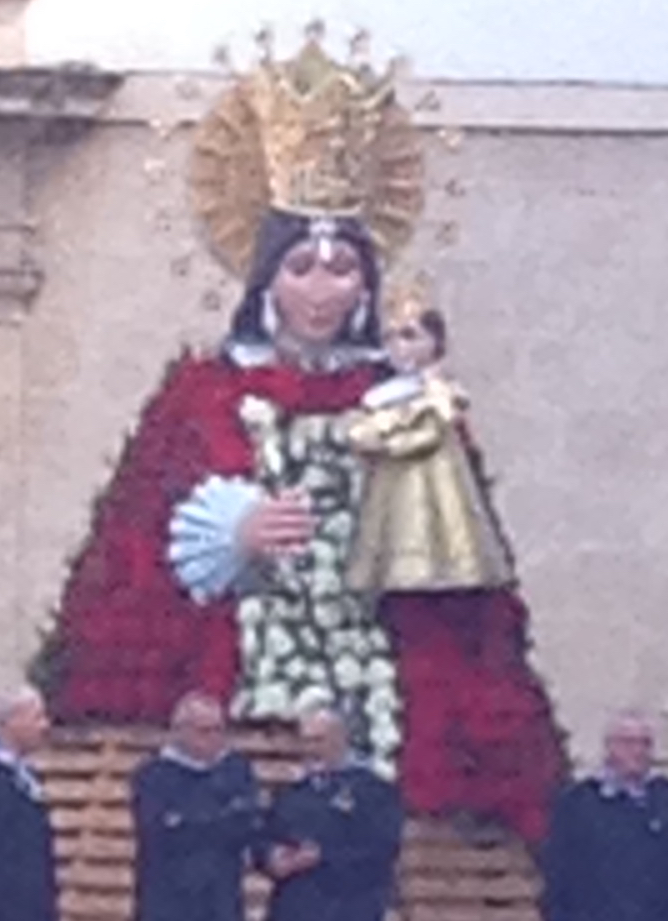
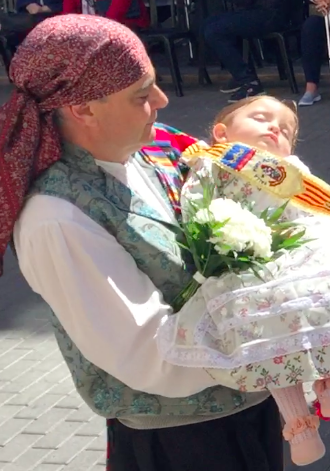
The ‘May Queen’ style event. Men and women, babies, girls and boys, all parade through every district of the town, passing each of the tableaux in turn. Once all the exhibits have been visited, each person then collects and carries a bunch of white or red carnations through the town centre. A wood framed Madonna, built outside a local church, is carefully, tenderly, stuffed with the bunches of carnations by the processions of Fallas participants. These people must walk miles during this progress.
St Juans Day. Third weekend of June – summer solstice.
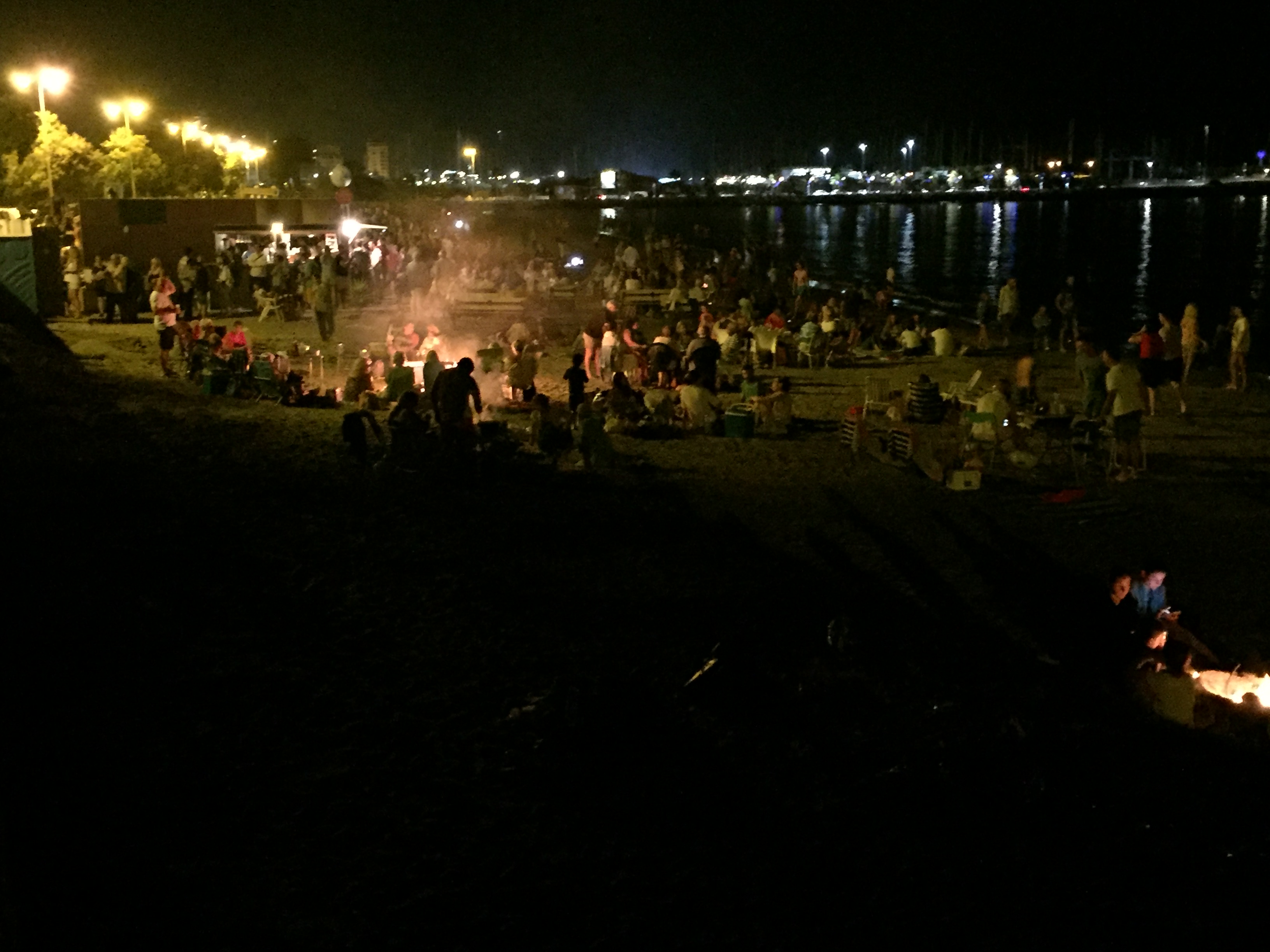
Starts after dark. The beach cafe has food and live flamenco music, where the locals dance a parred down, deeply sensuous flamenco. Most people eat al fresco on the sandy beach, beside small bonfires. People swim. It is over by about 11pm. The next morning all evidence has gone. It is as if all was a beautiful mid summer nights dream.
This Denia festival tradition has been a revelation to us. When hanging around in a Catholic country, everybody anticipates Mardi Gras and The Day of The Dead celebrations. We had no idea that the culture here is to lurch from one festival to another, month in, month out. To maintain their high standards, despite the turn over rate of festival themes, each area of town has its’ own Festival Committee. How they find the time, creative energy and money for all of this is a complete mystery to us. We wish we could bottle this lazy, productive lifestyle, apart from the Bull Running, which we boycotted on principal. Obviously terrified bulls and crazed running men won’t make it into the virtual bottle, but everything else will.
Our video of the 10 festivals we saw this year. We missed at least four others!
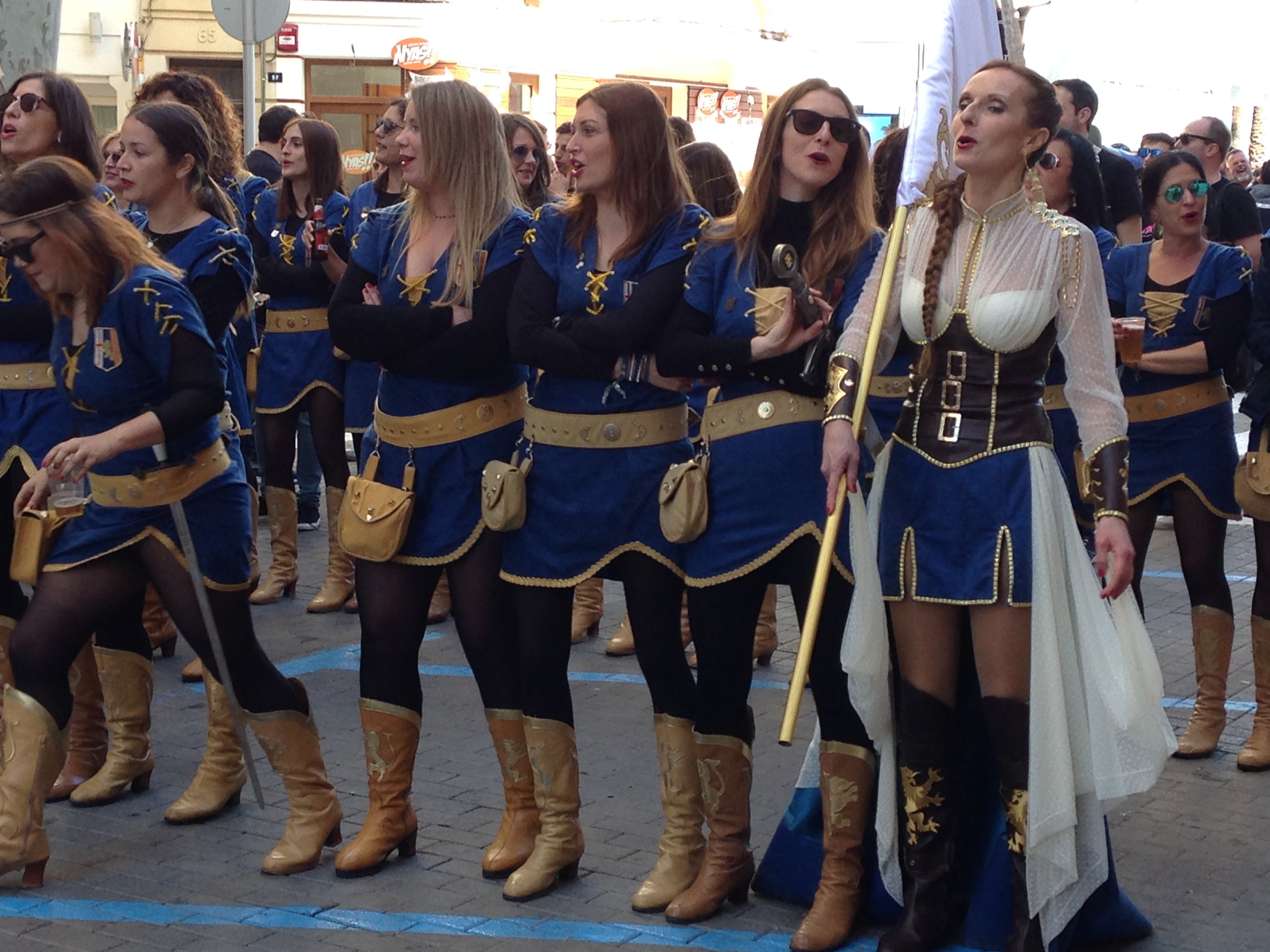
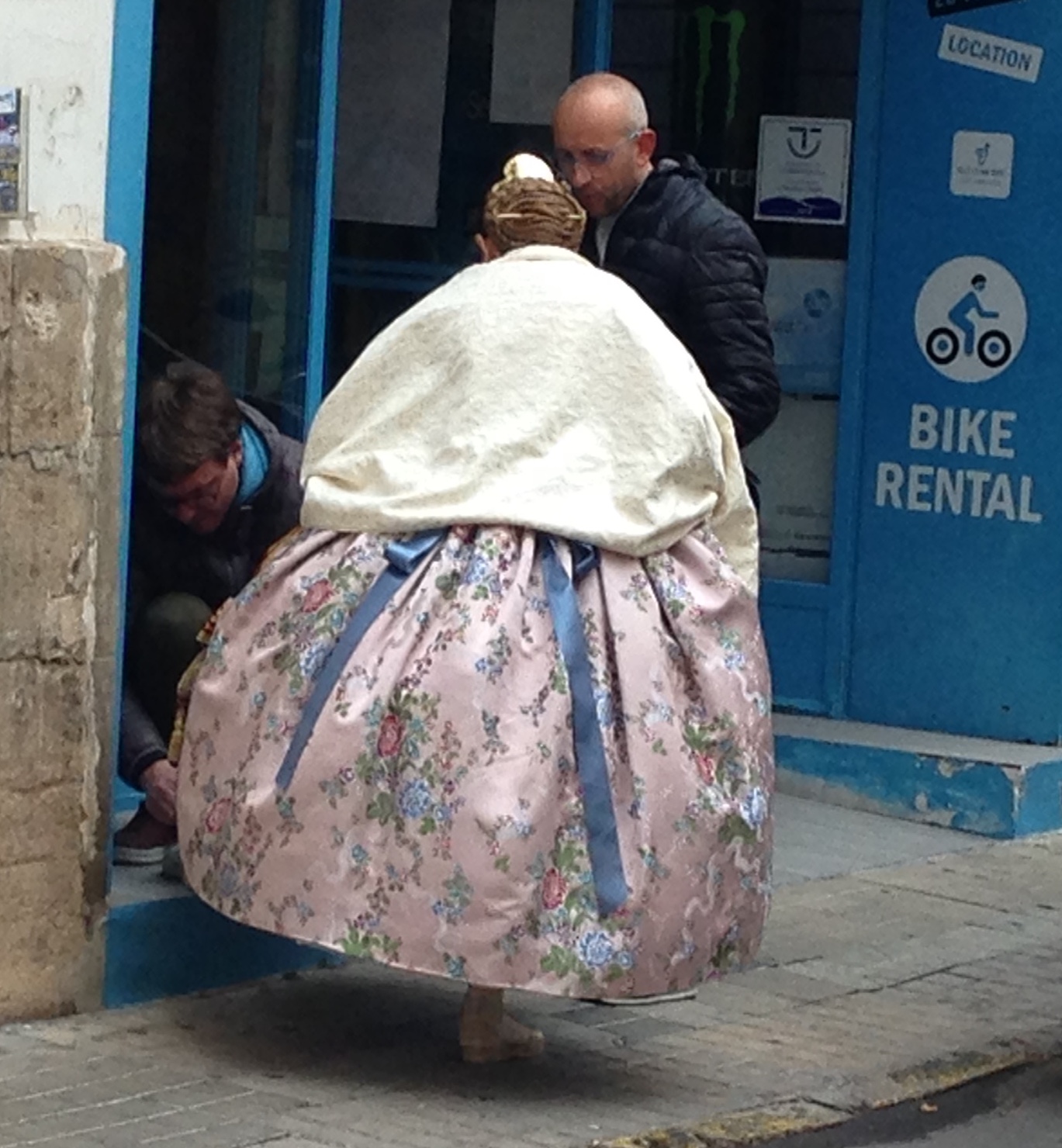
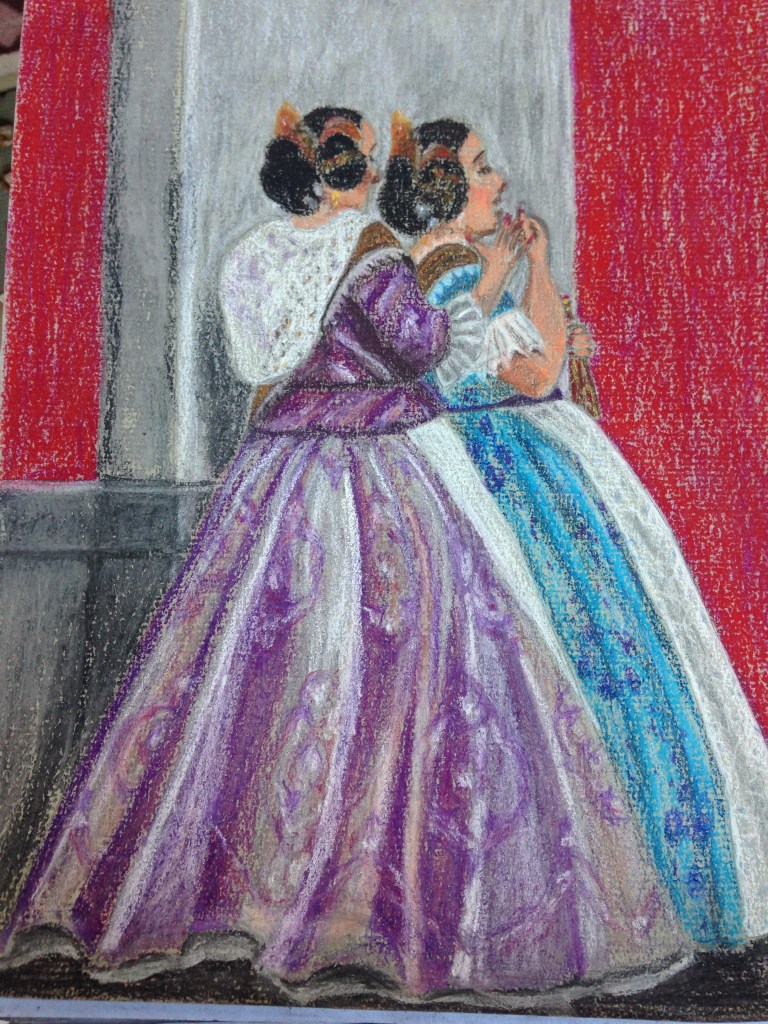
Last minute adjustments: Fallas women
If you have enjoyed this post, please scroll right to the very bottom of this page and leave us a comment. We love to hear from you. Thank you. xx
A route for the time rich and money poor? Lots of wiggles and no tolls. What’s not to like?
There has to be an advantage to travelling overland between the South of Spain and the UK; otherwise, why bother? Why not simply fly? If, like us, you do decide not to fly, what are your options?
Of course you can choose to take your home with you, in the form of a camper bus, a motorhome, a car, or motor bikes. There is even the sea and a perfectly formed canal system, should you want to come over all nautical. With the option of a tent or bed on board and with plenty of hotels to choose from, your choice of transport and where you lay your head, is a matter of taste and possibly purse size.
Over the years, we have found that the smaller the vehicle, the tighter the spots we get into; and a tight spot is always an exciting challenge. As we quite enjoy a challenge tinged with a bit of excitement, our vehicle choices have, on the whole, become smaller as we have become older. We now look for those little single track roads and hill top villages with a knot of narrow, dark roads and walkways that tangle their way through their precipitous communities. Our trusty KTMs are short and nimble and happily pick their way through any cosy, cobbled, cuidad, often to the ‘admiring’ gaze of the locals.
This is a dream of a route, so why not try it?
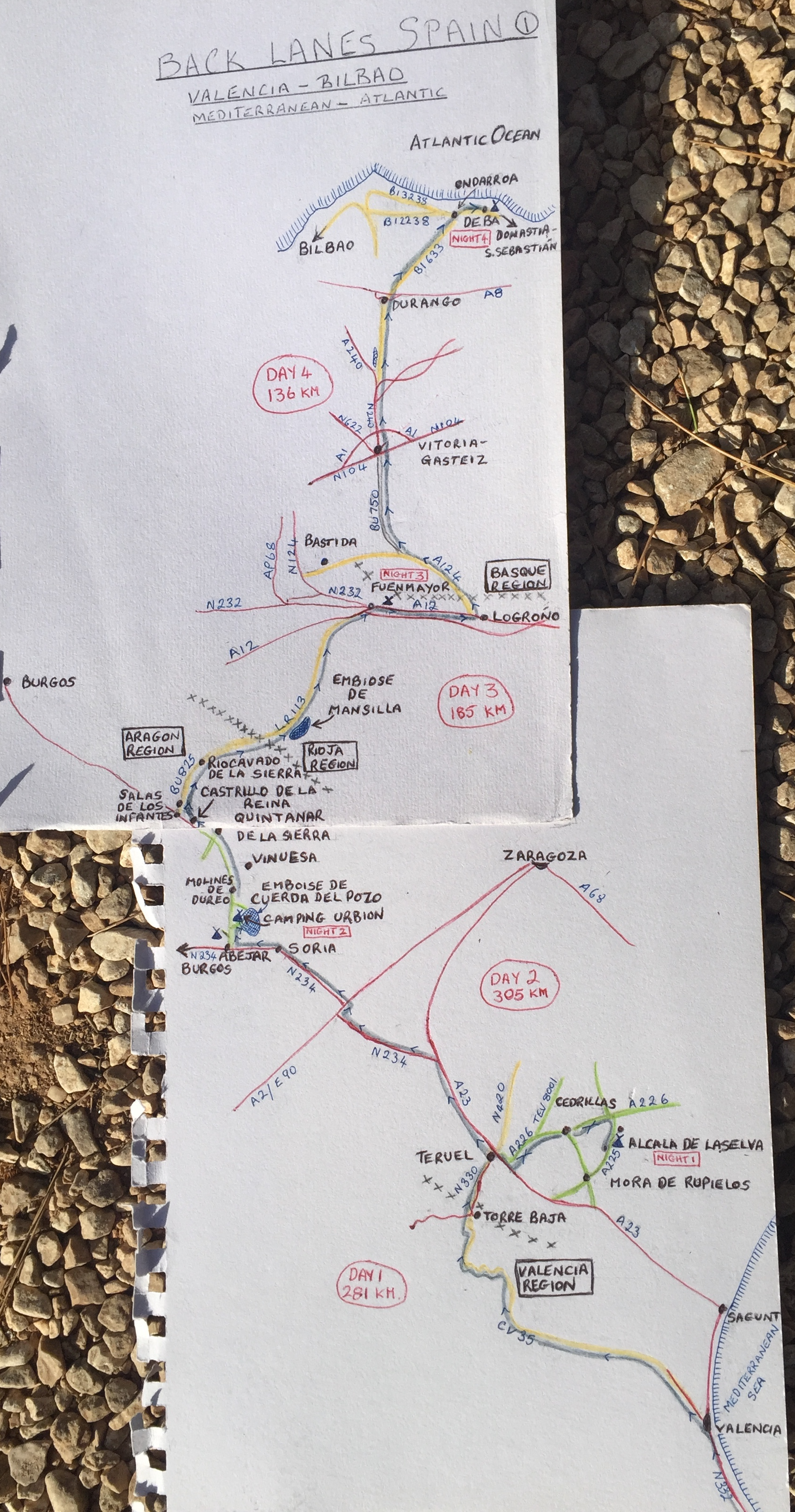
So, without further ado, here is our first small road route, it takes us from the South of Spain to the ferry ports in the North. It is suitable for any kind of bike or car and will just about be alright for small camper vans. You are welcome to reverse it, but please, if you do, use your mirrors!
CUTE ROUTE 1
DAY 1
281K
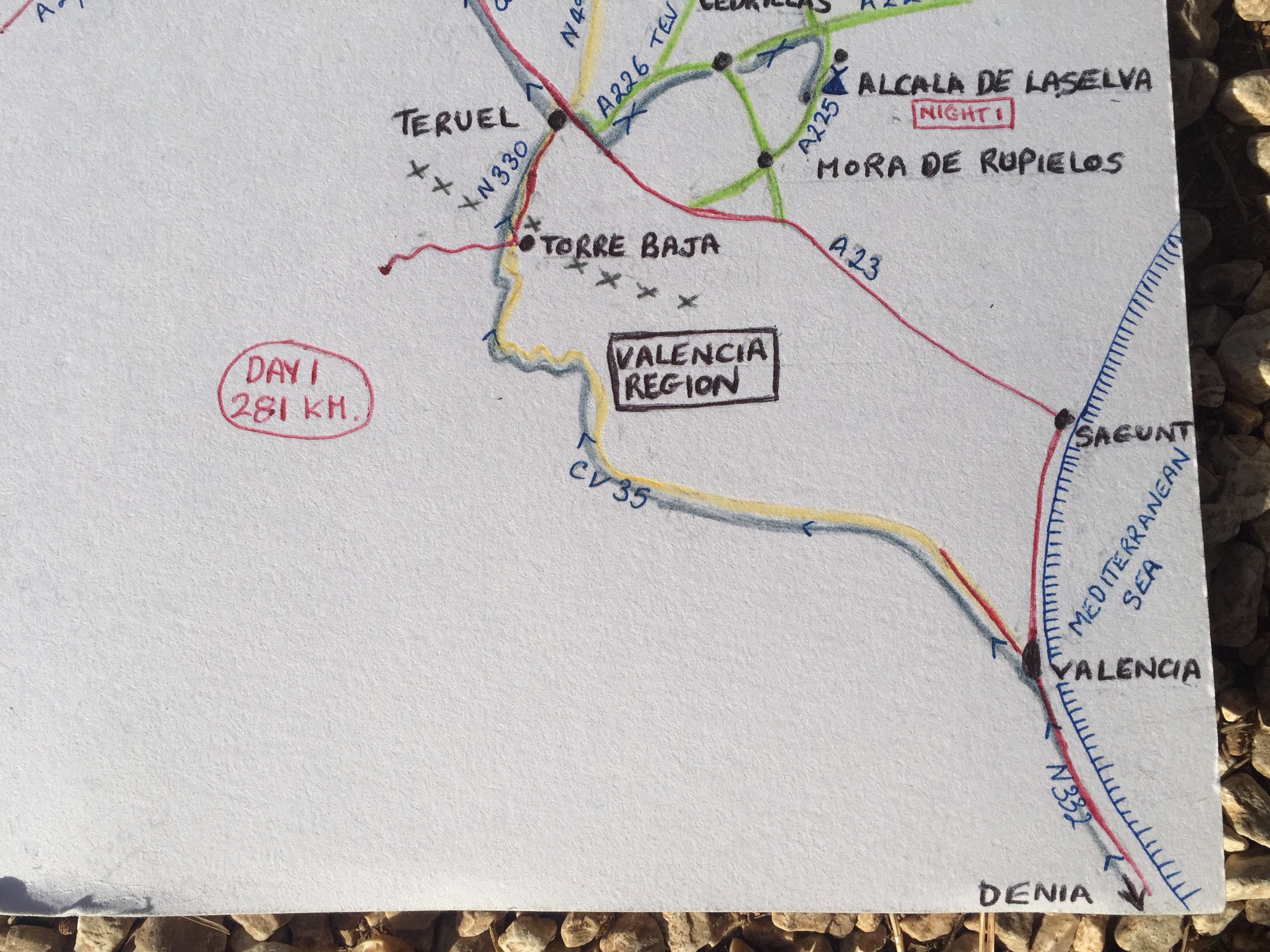
Denia – Alcala De La Selva.
Sadly, this journey starts with a main road, but, boy is it exciting!
Leave the lively port city of Denia by the coast road and head north on the N332, known by anyone who knows us as PROSTITUTE ALLEY. It was on this road that I was propositioned by a very leggy, blond lady who clearly had a penchant for biker girls and was also clearly in need of glasses, as, unlike her, I’m no spring chicken. If truth be told I was immensely flattered.
When bowling along this fast stretch of road, the astute amongst you will have noticed solitary plastic, garden chairs, positioned at intervals on the junctions roadside farm tracks. Occupied by bored looking, but glamorous women, who spend their waiting time sometimes reading or gesturing to the passing traffic; sometimes intent on their mobiles, texting a mate, often literally. You can also buy oranges along this road, but that may not be as exciting, unless they are there as a metaphor, as ‘They’re Not The Only Fruit’. TOP TIP: keep counting the women until you get to Valencia; if you have more than 10, you have a high score. If you stopped on the way, shame on you, but at least you can say you scored.
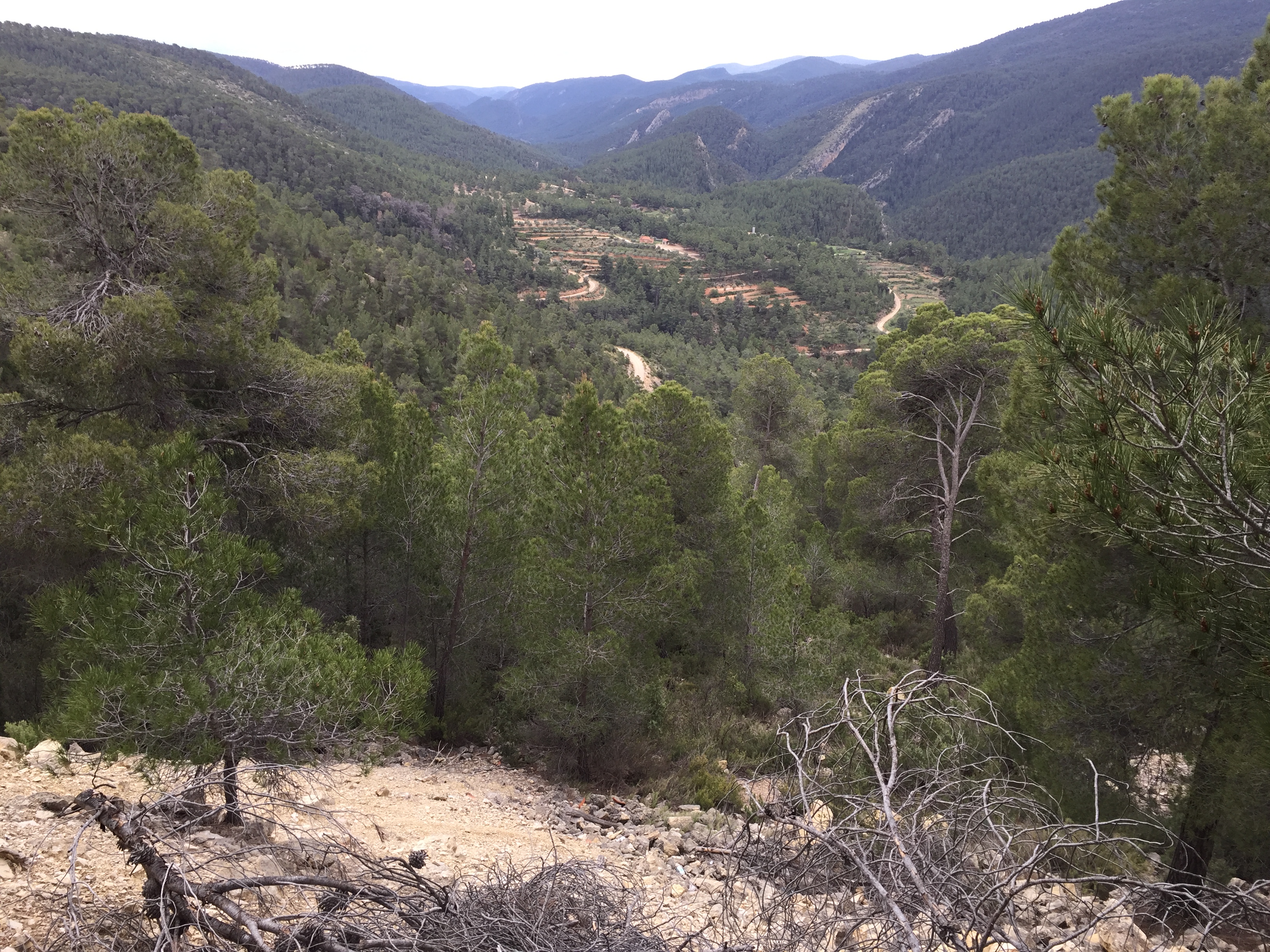
As you zip around the outskirts of Valencia, look out for the CV35 and take it. Shock, horror!!! It starts as a six lane road! It soon becomes narrower and windier as the miles click by. Aim for Tereul, a large and reasonably interesting county town. By the time you get there, you will be tempted to turn around and do it all over again. This had turned out to be a top class, narrow, two lane, switch back road, that clings to the side of a RAVINE for mile after mile. It did not feel overly exposed due to safety rails that prevent the distracted from plunging to their certain deaths. The road surface is great, so we had no pot hole shockers, or rail roading tarmac cracks, simply blacktop perfection. Some of the little mud coloured, ramshackle, hamlets along the way appear to be melting back into the steep mountainsides. This route took us through what the Guardian would probably describe as ‘the authentic Spain’.
Once in Tereul, follow our map for the campsite. In Cedrilla, turn left immediately after the petrol station; there is an obvious sign screwed to a house wall that points to Alcala De La Selva. Between Cedrillas and Alcala De La Selva, you will pass a landfill site where the smell of burning is worrying, but thankfully short lived. Do as I did and hold your breath for a lot longer than is sensible. The smell will still be there, trapped in your helmet, but you will be so spinney headed that it wont matter, and that is the main thing. This road becomes tighter and tighter and is spectacular in places. Cedrilla is worth riding your bikes through and Alcala De La Selva is a stunning precipitous old village with a castle on the very top of a rock outcrop. This is a classic route that is popular with tourists and fast road cyclists, as well as goat herders. Some caution is required, as this bit of road is often bounded by vertiginous rock faces that closely follow the very tight and blind bends, usually with no real leeway for surprises.
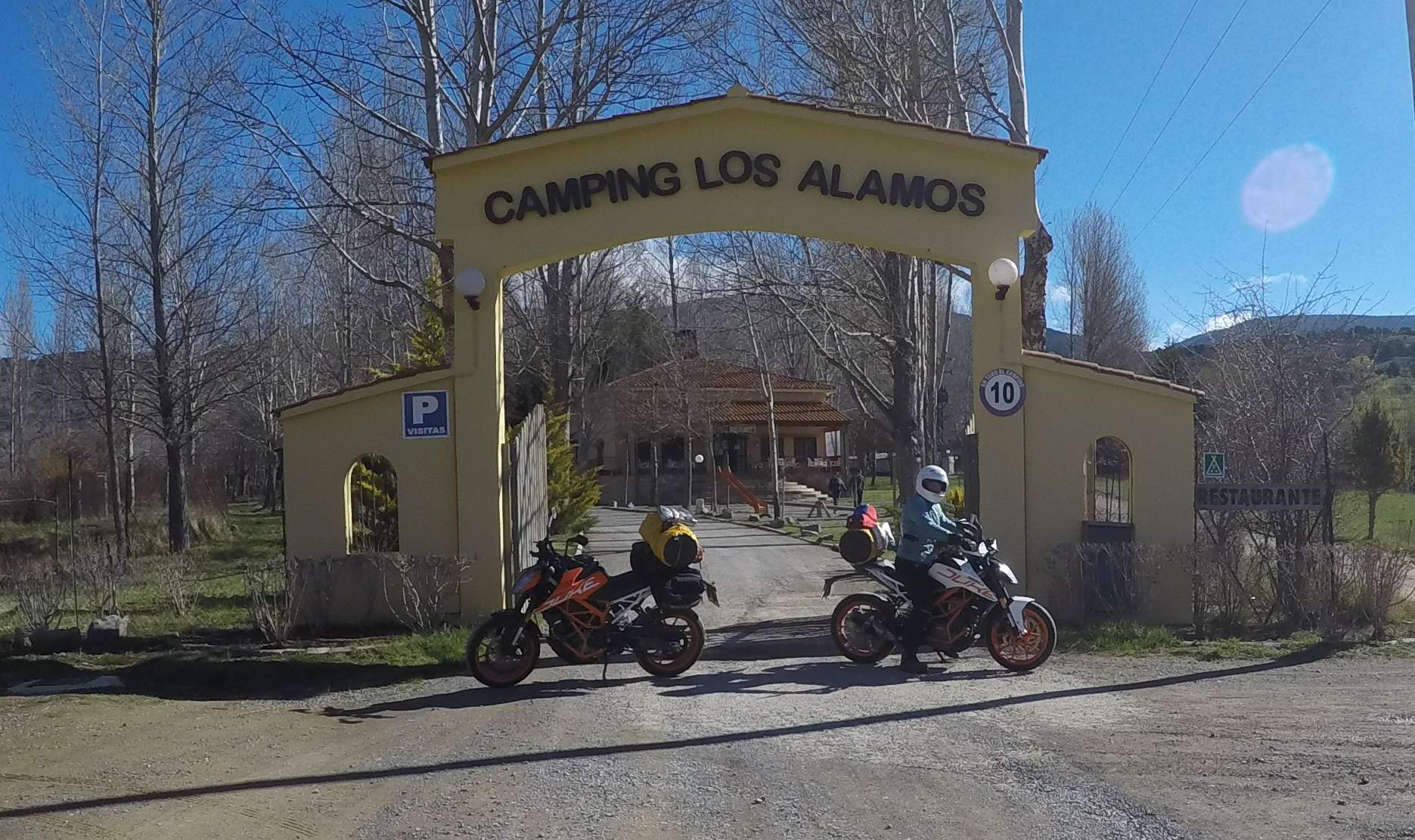
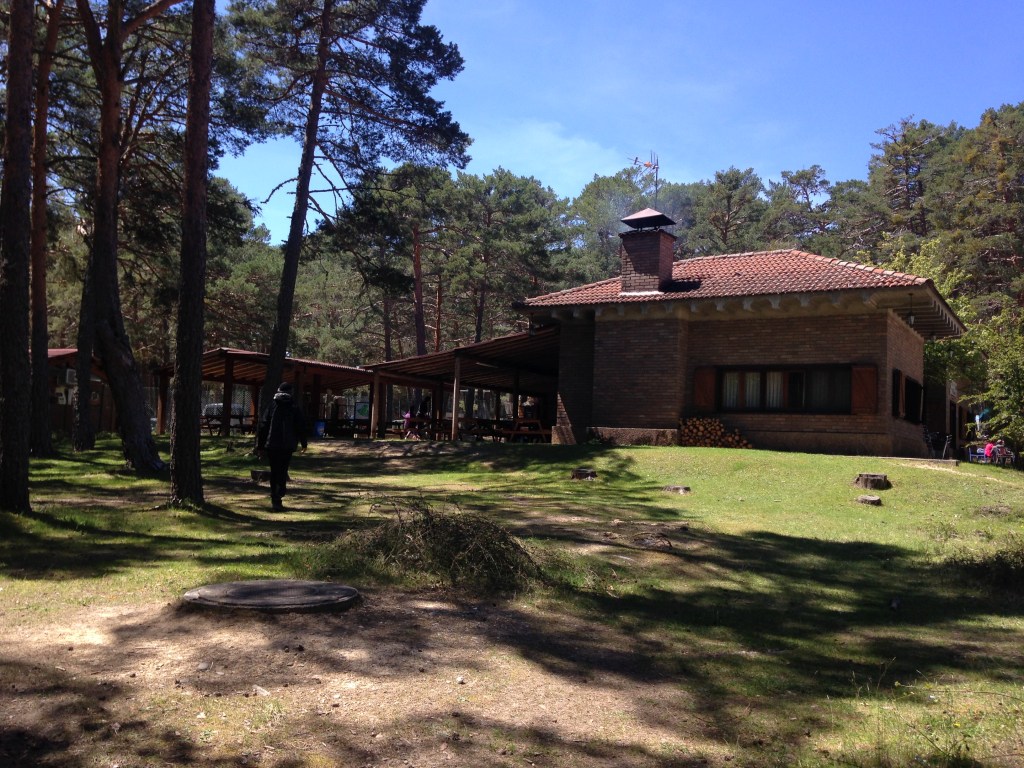
Once at the town, the campsite is hard to find, ask at the local garage. Or you could also look out for the natural wooden signs with tourist destinations routed out using the thinnest blade that came to hand; small brown lettering on brown wood, at dusk; always helpful to the weary traveller. What we did not see was the internationally recognisable icon of a tent: anywhere. There are one or two other campsites in the area, but we chose this desolate excuse for hospitality, Camping Los Alamos; probably fine in high summer, or peak ski season, but between seasons? No. No english spoken, the bar/restaurant shut and no other customers on site. Mind you, the toilet blocks were very well heated, so that was something on our bitterly cold and lonely night. One thing is certain, we will never forget Los Alimos. 13Euros per night.
DAY 2
305K
Alcala De La Selva – Abejar
Where yesterday was a day of narrow twisting roads, today is a day of comfortable long sweeping bends. No nasty surprises, perfect road surfaces all the way. This is sublime riding that will leave you feeling like one blissed out biker.
If, like us you stay at the Alcala De La Selva camp site, Camping Los Alamos, you will need to head back to Tereul and start day two from there. Take the A23 heading to Zaragoza and turn right onto the N234, signed to Soria (where we aim to go), and Burgos (always worth a visit, but not for this trip). Just over half way to Soria, another road to Zaragoza crosses the N234 and you have to follow it for a very short distance and then continue on the N234 again, until you reach Soria.
This may sound a rather dull route, but the reality is some of the most quintessentially Spanish towns and villages you are ever likely to find. We rode high up, but in parallel to little communities nestling deep down in the foot of the valley, a torrent of terracotta roofs tumbling alongside small rivers. Other clusters of homes, hanging onto the sheer hillsides, were as if temporarily resting before continuing their laborious climb to the summit. All of them are well worth spending time getting to know. All of them so unlike the Costas.
Zip around the outskirts of Soria, a town of which we saw nothing, thanks to it’s excellent ring road. Carry on travelling the N234 until you reach Abajar. Like all the towns along the way, this one is rural, but it has a fuel stop, and if you head up the lane to the side of the petrol station you will find a crossroads with a CASH MACHINE on your right.
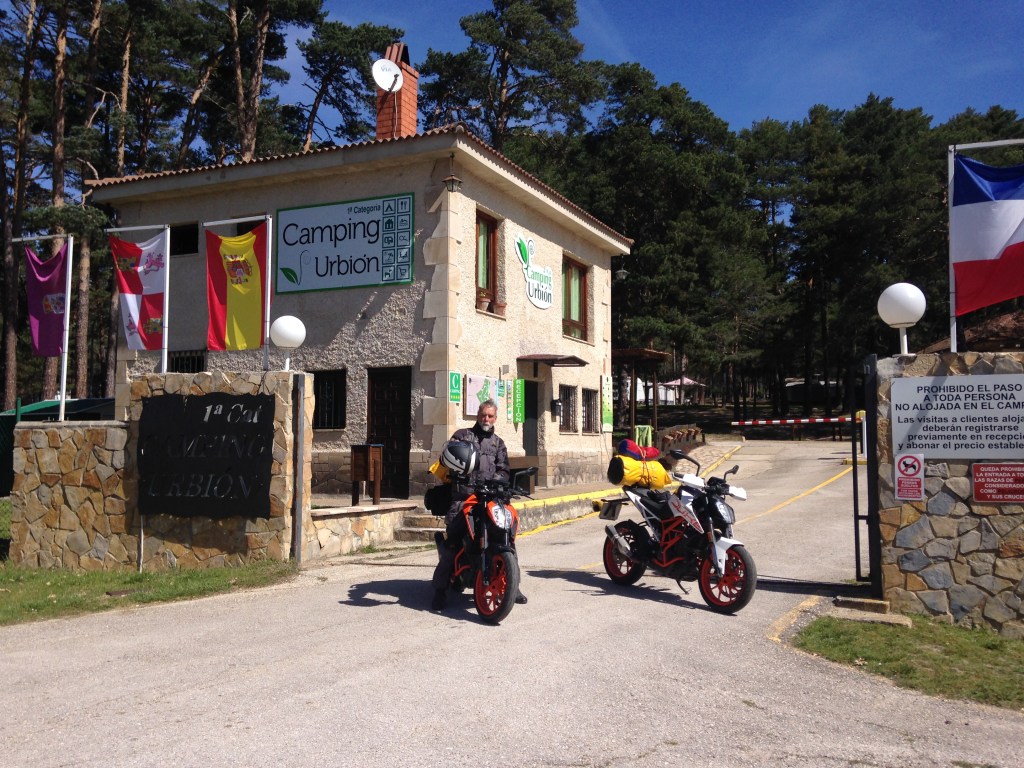
Back to that petrol station. Once past the petrol station on your right, and still on the N234, look out for signs on the right to Molins de Duero and to Venuesa, turn right here. You will almost certainly have seen quite a few huge green and fancy roadside hoardings advertising a campsite. This is not the campsite we chose, but follow the signs anyway, and then drive on past this campsite and turn right at the more subtle sign for Camping Urbion. A lakeside idyll, fully open, warm and welcoming, where, if you sit at the bar, the barman will give you a tapas with every drink you order. Result!!
We stayed here for a couple of nights and saw a great range of wildlife.
It costs more here for two motorbikes than it does for a motorhome of any size: 31.50Euros per night.
DAY 3
185K
Abejar – Fuenmayor
OK, this is really day 4, as we spent an extra night at Camping Urbion, but we did that so that you would not have to. Did I say that the Urbion Campsite was fully open? Well, not on a Sunday night, or a Monday morning. So, we have to modify our recommendation, as there is no discount on the daily rate, despite there being no services, apart from the loos and nowhere to get food basics near-bye. Perhaps a set of opening hours on each concession might be a help. All I know is that we were planning to eat our Sunday evening meal in the bar and buy Monday breakfast in the shop and neither option was available to us. Guess who left the site short of two meals, hungry and angry?
This is all we wanted, and all we had run out of. Idiots!
TOP TIPS, especially if you arrive on a SUNDAY or MONDAY. If you are a planning to sleep in a tent, try the other campsite, if you are in a camper bus, or something fancier, drive past the sign that directs you into the Urbion access road and take the next right turn. They have masses of lakeside parking here and signs welcoming camper vans. In early May (when we were there) the lakeside services and cafe were closed, however you would have the place to yourselves. No tents allowed here.
Save 30 euros a night and kip lakeside. Stunning spot.
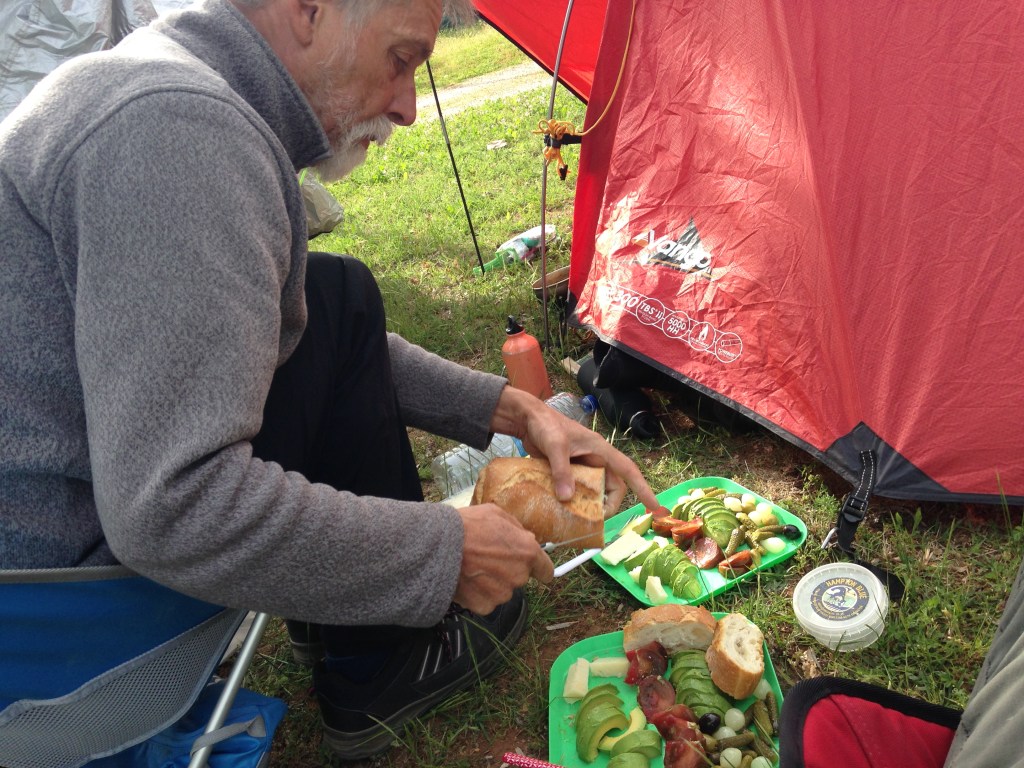
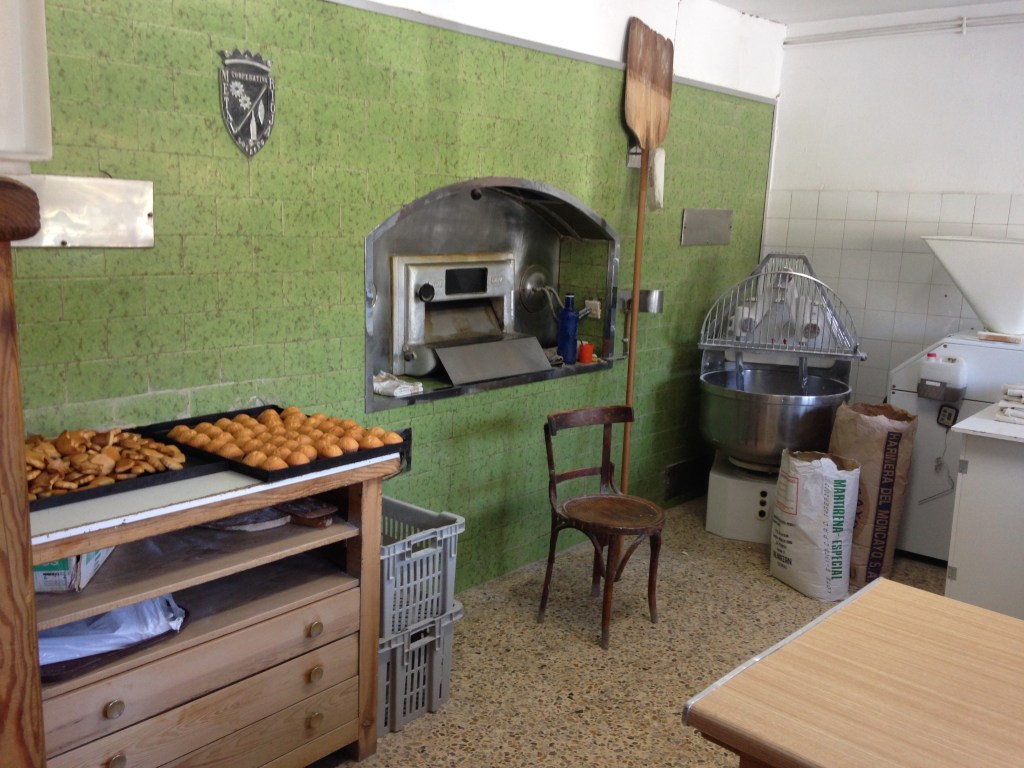
And so, ravenously, with no emergency supplies, we left this beautiful, but high priced, low hospitality site and made for the nearest town. We turned right out of the campsite access road and headed towards Molines De Duero, a solid little town, with every building in perfect condition. This is a prosperous town with a tiny bakers. Once again I was in bread heaven. We left the town with nothing more than a handcrafted baguette. We managed to grab some cheese a little later and suddenly all was well in our world.
Bakery with the proudest and yet shyest baker. He’s to the right with a grin on his face.
What a superb days riding lay ahead. Tightly twisting, unpredictable roads wriggling on for miles. These slim, two lane tracks, as smooth and curvaceous as a baby’s bottom, have the most perfect tarmac. We went for miles through the bottom of a rocky and wild gorge with vultures, eagles and kites all looking for a meal. Apart from three British registered super cars, we saw no other vehicle or person until just after the Rioja regional border.
Rioja, wild and twisting roads. Birds of prey wheel above as we wheel below.
As we crossed the line from Arragon into Rioja, this halcyon lane changed. The vegetation, that before was clipped tight back to the verges, now encroached onto the road surface, which changed from the smartest, blackest piste to a patchwork of potholes and repairs in a Harlequin of colours.
There is nothing too complicated about this route, the road takes you past a lake, Emboise De Masilla, and a full range of farm animals. So, not only do you have to skim around tight bends, avoid the occasional pothole and rocks that have dropped from the sides of the gorge onto your ‘racing’ line, you will now have to slalom around donkeys, heavy horses, ponies, sheep, cattle, including a huge, though thankfully chilled, bull who lounged right on the outside edge of a hairpin bend, and the odd chicken. It was all great fun and probably unique.
Emboise (reservoir) De Masilla
We finally stopped for a cuppa at Viniegra de Abajo, at what felt just like an English country pub. At this point the road is signed as a motorcycle route. Here you will find a small fuel station too. It works on the assumption that if you park your vehicle next to the pumps and wander off, it must need re-fuelling. Eventually someone will leave the bar opposite and saunter over and fill the tank. While we were there, the attendant took about half an hour to perform. All very laid back. All very Spanish.
Tea break on what turned out to be part of a designated motorcycle route.
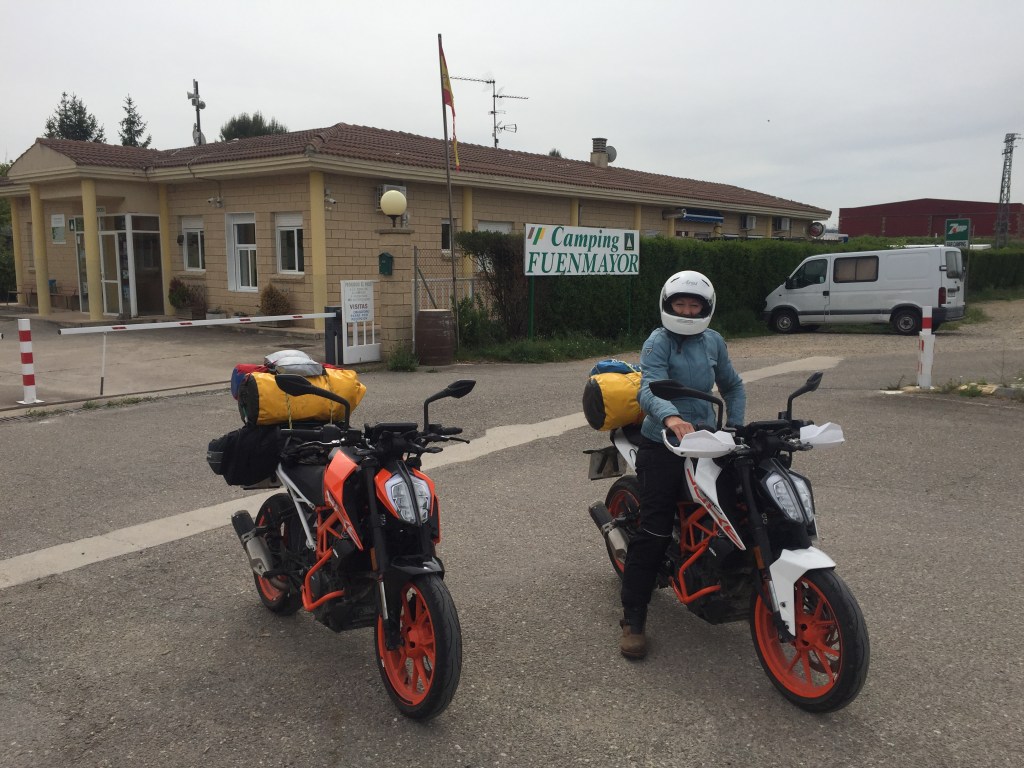
We finally popped out of the wilds of Rioja near Fuenmayor where we were hoping to camp.
The campsite was open; just. No bar, restaurant, or shop, but at least we were told this as we booked in, this meant heading into Fuenmayort for our evening meal and, of course, ordering a locally produced bottle of Rioja wine. Perfection. 18Euros per night
The restaurant with only one meal on the menu and this is it. With dessert and wine it was a bargain, as long as you wanted fish and chips at 9pm sharp!
DAY 4 – 5
136K if you don’t get lost!
Fuenmayor – Bilbao
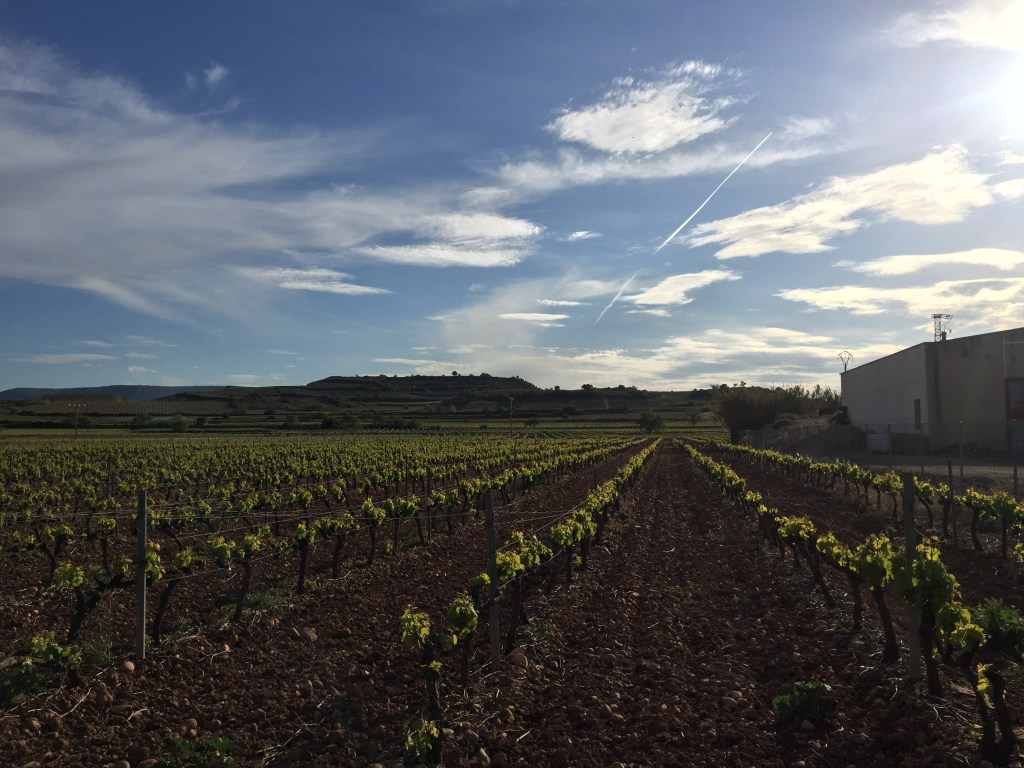
Rioja vineyard. Red earth, lime green leaves light up our journey.
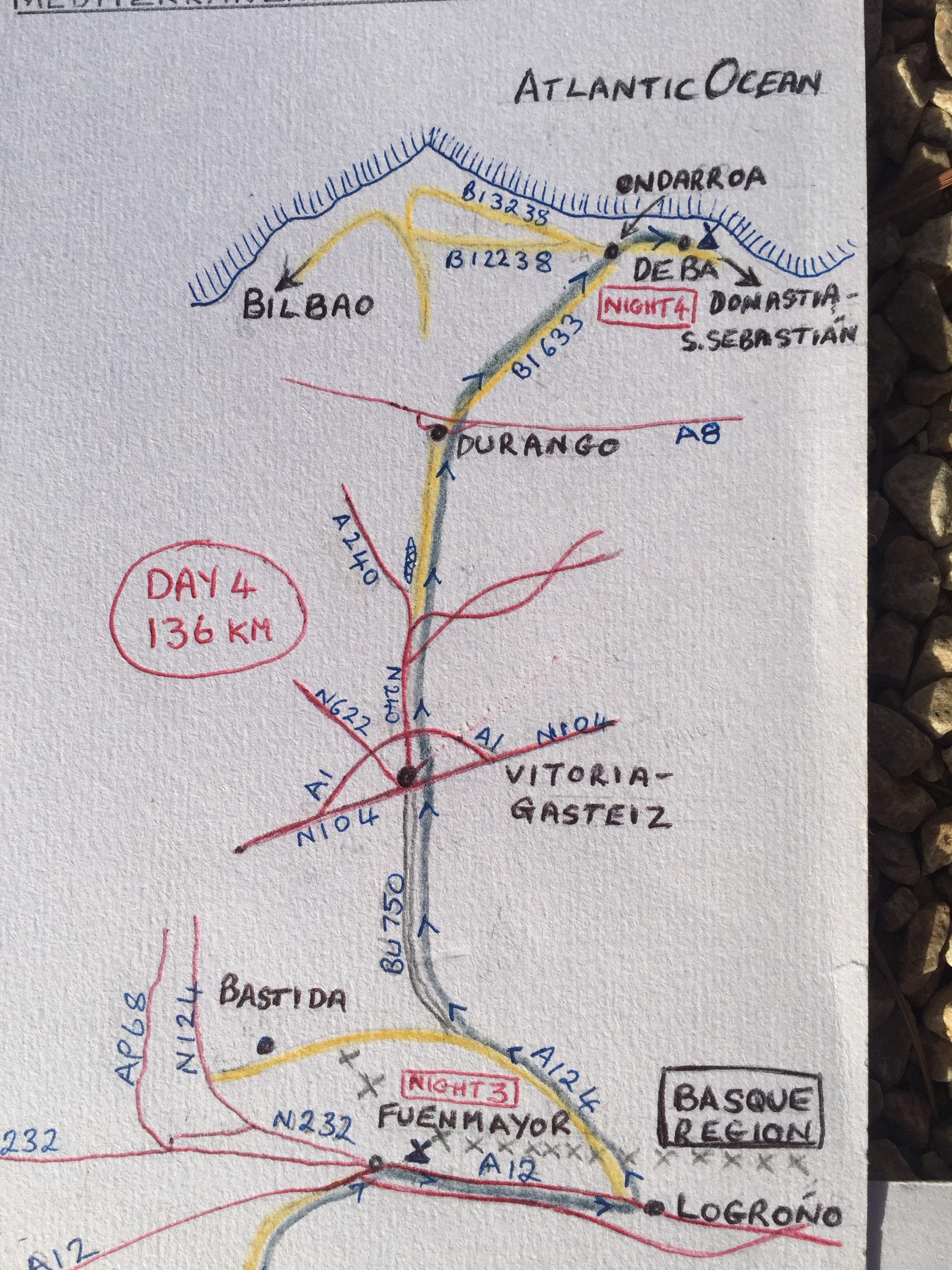
We set off relatively early today and rode straight past the road sign for the A124. It was an omen. I saw the sign, Wally, leading the way, missed it. Some miles further on, we had another chance to get onto the A124, and we were off on a pleasant, well maintained road. Unfortunately, the further north we travelled, the harder we found it to navigate. Let me state right now, that Spanish and, to some extent (thanks to one of the things the Romans did for us), English, are derived from latin. We understand each other. I cannot even begin to imagine where the Basque language originated, although rumour has it that it is basically WELSH. How were two geriatric bikers supposed to cope with such an inscrutable language and with the ever increasing spaghetti that is the main road system around here?
The land time forgot. Green and deeply cleft valleys with inscrutable road signs and systems. Who wouldn’t want to get lost here?
Like true Brits abroad, we stumbled about, covering almost every permutation of bye road possible. We headed in every direction the compass has to offer, unable to read the impenetrable Basque town names as they zipped past us. All I kept seeing was Xalxpmitm, or something similar. We were disoriented, in a land of strange names, with towering motorways criss-crossing high above us. I was like some confused British drunkard in a strange land. Luckily for the locals we passed, I was still wearing my clothes.
Yes we could have used a sat-nav, we could have gone old school and taped written directions on to the fuel tank, but where is the fun in that? We just enjoyed the experience of being lost. You could do the same, though maybe not for 5 hours like us!
We’ve wandered off again to compare our map to the road signs. Those bikes are such patient beasts.
The back roads in this area are stunning. Even the ones we covered repeatedly did not become a bore. The road surface is good, the bends range from sweeping to pinching in at the end; ideal for keeping the lost and confused alert. The scenery is lush and rolling. I would enjoy setting aside some time to puddle about in this strip of a route. The chance to be swallowed up by the tiny, ancient hamlets, with their imposing fortified entrances, and higgledy piggledy houses that huddle tightly together, deep in these valleys, would be a joy. We never found the fabled town of Durango, the town that marked the end of our small roads journey north. Perhaps it has a local name full of x’s and t’s, perhaps it does not exist; perhaps, at the end of a very long and lovely day, it simply does not matter. The final few miles followed a winding river which spat us out onto the rugged Atlantic coast road at Deba. From there we followed the signs to Camping Itxaspe. Yes that is Itxaspe, with an X and a T.
At last we had found camping Nirvana. The place was fully open, with a shop, a bar with food and sea views and friendly staff. It was also quite busy. How strange it was to be amongst other people. To hear them chatting, laughing and generally making a noise. I realised we had been in a silent world, with only the drone of our bikes penetrating our cumbersome skid lids. Better get used to it I thought, because in a couple of days we will be back in the racket that is the UK. 20.20Euros per night.
We’d love to hear from you. Please leave a comment by using the reply box that’s hiding right at the bottom of this page. Thank You
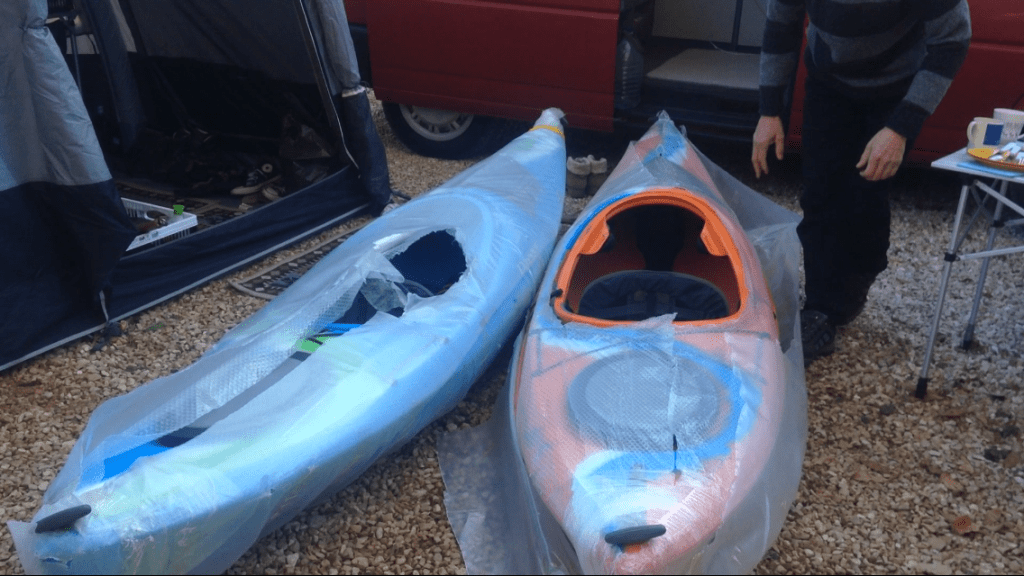
Having decided we needed to get on the water whilst wintering in Spain and after exhaustive research we purchased a couple of Dagger Axis 10.5 kayaks.
We took off their cellophane jackets…………
A few adjustments were made and…………..
We were ready for our first voyage.
To our relief the kayaks performed well and nobody died and we had a great time.
If you would like to comment on this article, or ask any questions, please use the reply box below. We always enjoy hearing from our readers. The Wallys x
Like the Snowbirds in the USA we decided to fly south for the winter to avoid the worst of a British winter. As part of the plan we wanted a pair of lightweight motorcycles to allow us to explore our winter habitat.
After much deliberation and head scratching we settled on the 2018 version of KTM,s 390 Duke for our winter sabbatical. We intended to spend a few weeks in Morocco as well as overwintering in Spain. Our final destination was Morzine in France for a week of snowboarding in mid April.
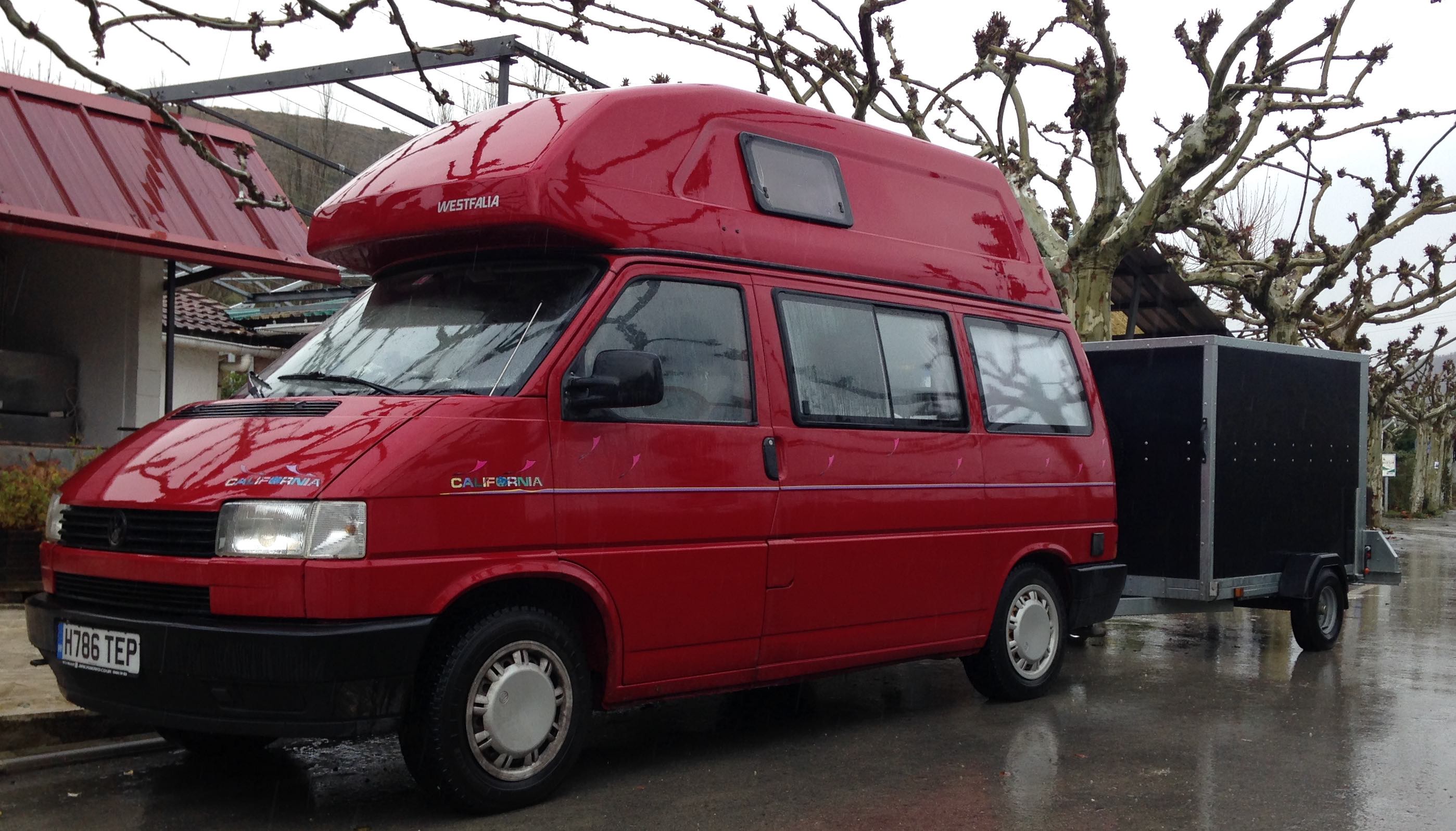
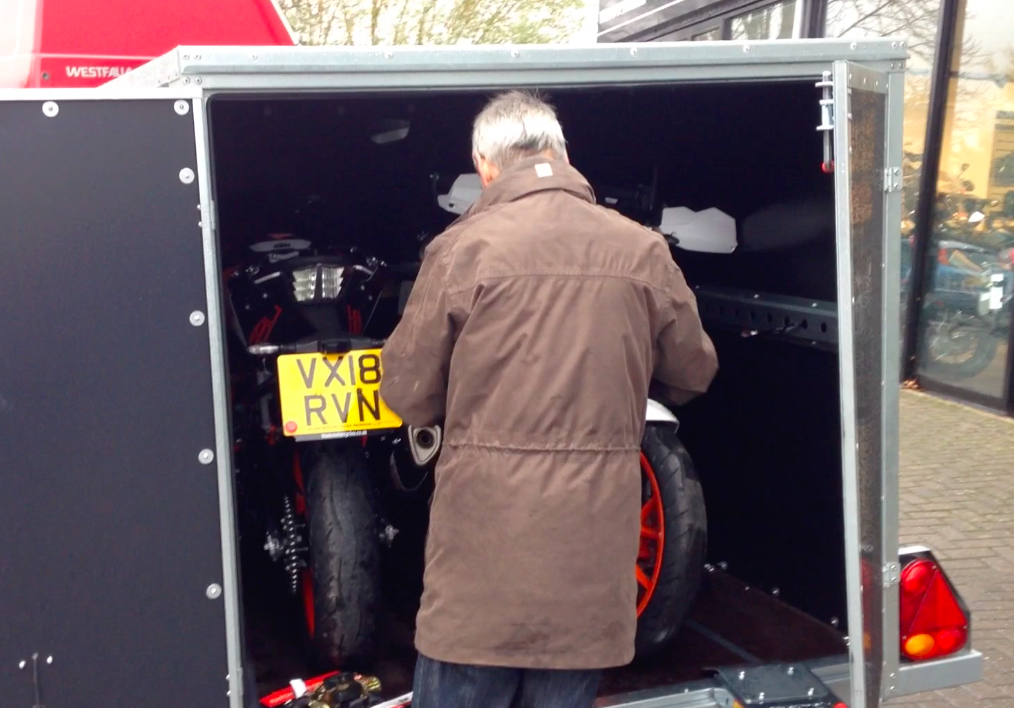
We trailered the two bikes to Spain, towed behind our VW T4 Westfalia camper. Our intention was to use the bikes for local transportation, in and around Denia, on the Costa Blanca, and a camping trip to Morocco. There was also the possibility of a small amount of off-road riding on unpaved trails.
Why the 390 Duke?
We needed bikes light enough to be towed in an un-braked 7.5 tonne trailer.
Bikes with a low seat height.
Decent power delivery.
Trail potential
Other bikes considered:
Honda CRF 250 – too tall.
BMW 310GS – too heavy, lack of power, expensive.
Kawasaki Versys 300 – too tall, expensive.
First impressions of the Duke were favourable, aesthetically, a good looking bike with character.
A short test ride confirmed our pre-conceived ideas of what this bike would be like. Light, eager with a reasonable turn of speed.
Back in the dealership we chose 2 Dukes, one orange with around 600 miles and the other white, pre-registered with delivery mileage. We specified engine guards, and rear rack on both and hand-guards on Jen’s as an extra precaution. The white one was fitted with Oxford bar heaters.
As we were due to leave the UK within 2 weeks of purchase, the white one needed to have 600 miles put on it in order that the 1stservice could be done before departure. This job fell to me, as Jen had had an operation on her thumb and was forbidden to ride for 6 weeks.
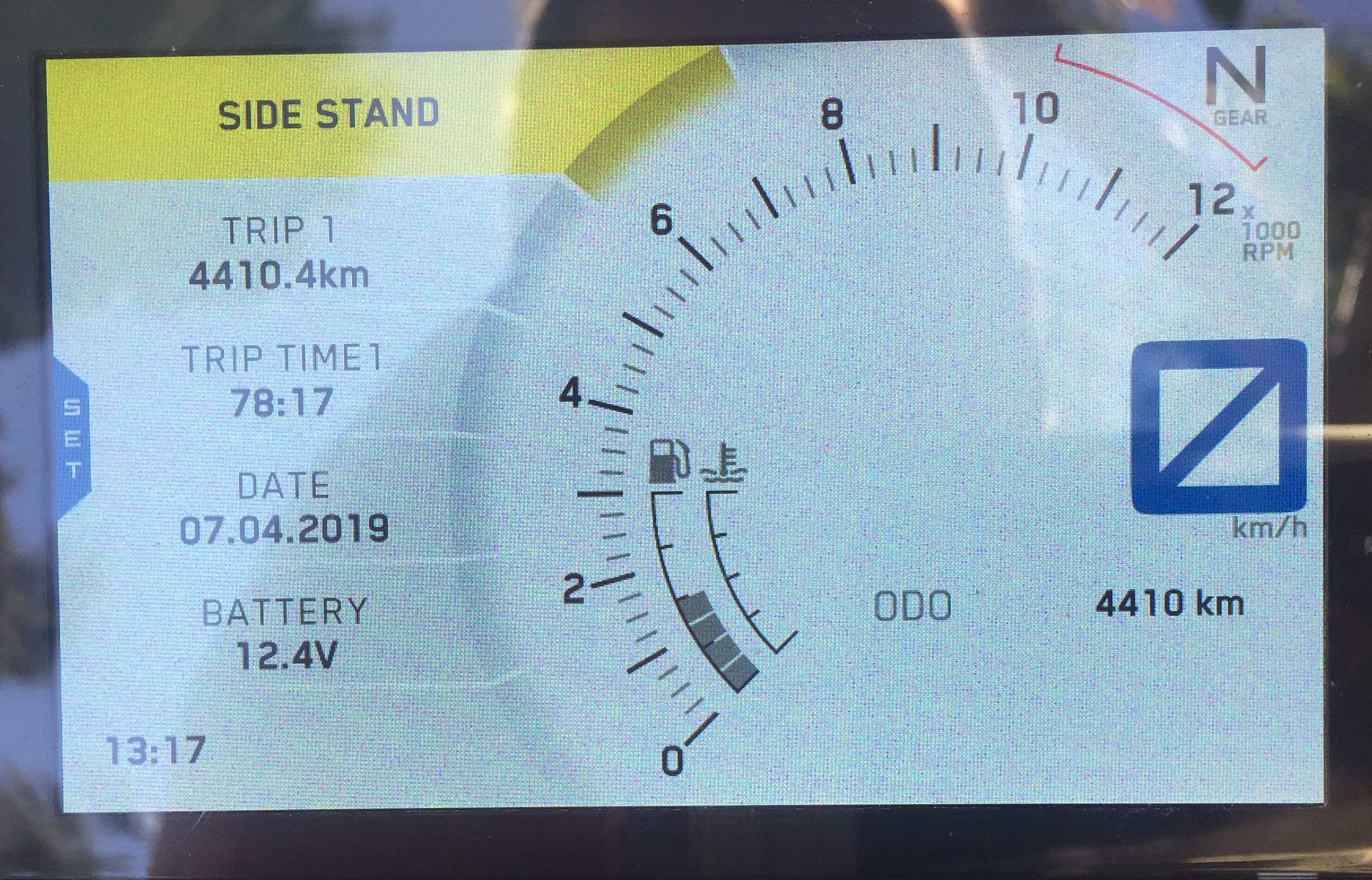
It wasn’t much fun riding the Duke sympathetically, the fancy colour display is set up to glow red as you approach the rev limit, which is prescribed by the factory, during the running in period. This is adjusted during the fist service and can be tailored by the rider thereafter. Whilst on the subject of the display, though thoroughly modern, it is a little disappointing. Much of the information is difficult to read if you have normal eyesight and not that of a teenager (Jen did not agree and found the display ok to read). It has a fuel-gauge with a clear warning when the tank is getting low. The gear indicator is a plus but the difference between 5th and 6th not easy to see. Although I had no problems with reflections, Jen found that the display was unreadable at times, especially with the sun behind her. The display has night and day display modes which it automatically switches between depending on light levels. The bike has bluetooth pairing for compatible devices.
After 600 miles of cold wet weather riding, the bike was ready for it’s service. During that time I had discovered that the seat was comfortable over fairly long rides, 250 miles one day. The heated grips were great. Wet weather handling was perfectly acceptable and the vibrations, though evident, were not overly intrusive and didn’t blur the mirrors at any rpm. The mirrors did have a habit of loosening off from time to time; quite annoying. The side stand is a little too long and unless on flat ground the bike, when parked, felt unstable at times. The rear hugger is completely useless, the rucksack I was using, not to mention my backside, were soaked in road grime within a few miles of starting out.
Initial impressions were that the bike was going to suit our purpose in most departments. Plenty of power given the small power unit with just about enough space to carry camping gear. Comfortable, especially given that we were not expecting to be riding in wet conditions thus making the hugger less of an issue. We doubted that we would be doing much off-roading though due to the unsuitability of the tyres and, probably, the suspension.
At this point the bikes were loaded into the trailer and we headed for sunny Spain.
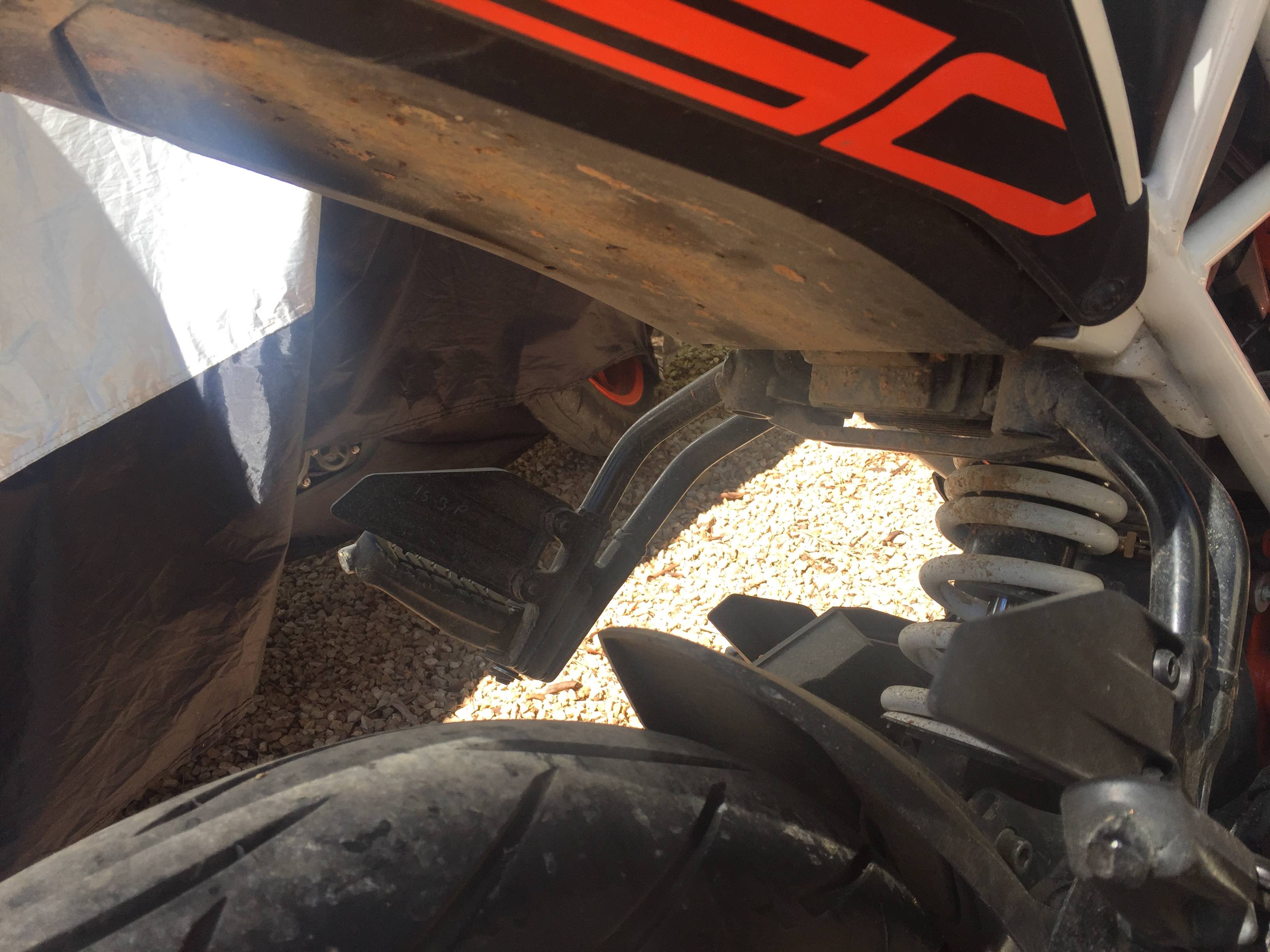
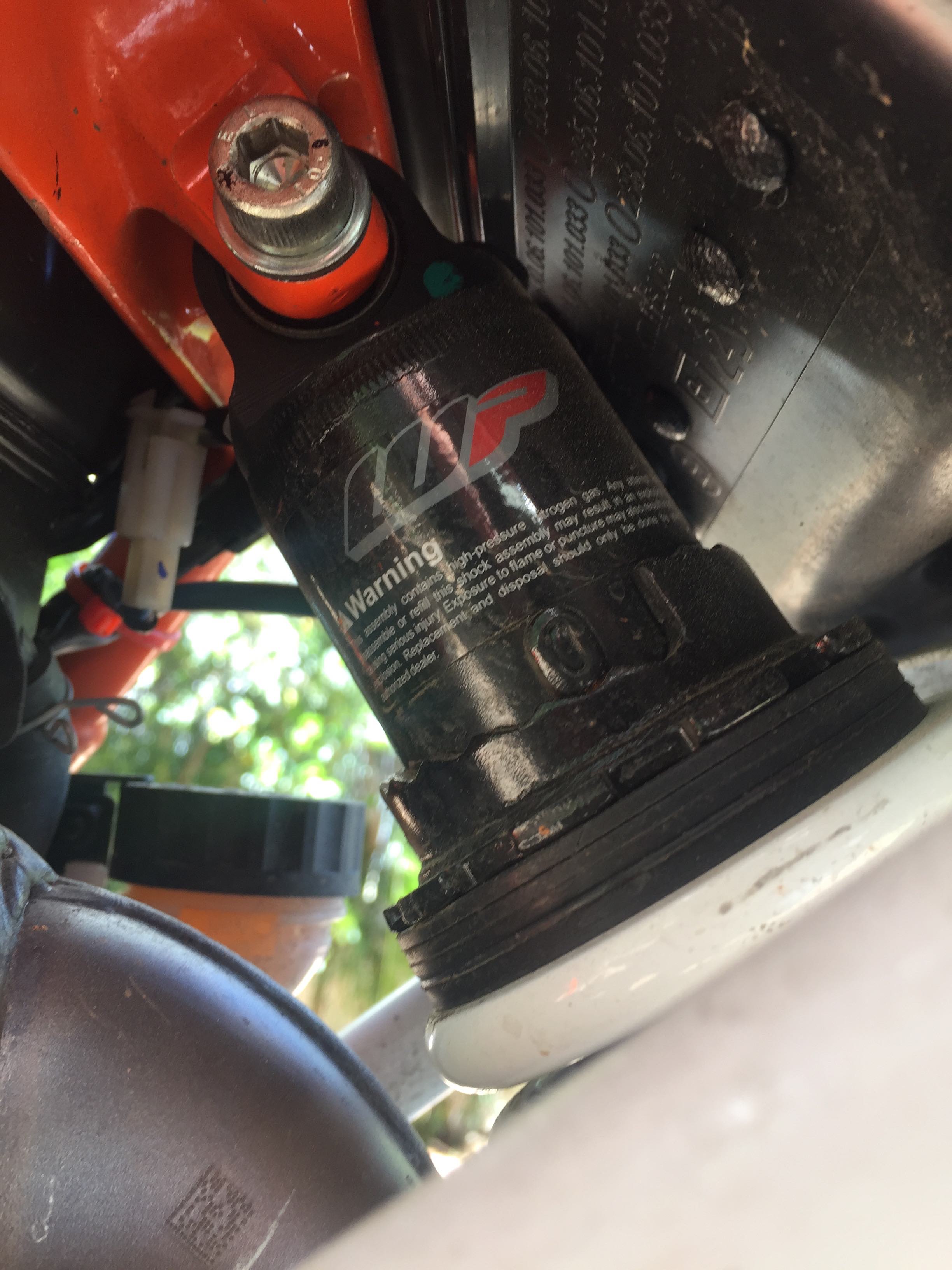
On arrival in Spain we decanted the bikes and discovered, on the floor of the trailer, a 3 inch, 6mm bolt. It soon became clear that it didn’t belong to the trailer. To our horror we discovered the bolt was the top bolt from the rear suspension unit on Jen’s bike. It had vibrated out on the journey between Spain and the UK! Read more here.
We spent several months acclimatising to the new bikes ahead of our planned trip to Morocco. The seat remained comfortable and the riding position was ok, no aches or pains after several hours in the saddle. The brakes were adequate but provoking the rear ABS was quite easy and noticeable. I later found out that the ABS, when really pressed, was literally a life saver! I almost rearranged the back end of a classic Merc convertible, a ‘sorry mate I didn’t see you’ moment; he didn’t apologise.
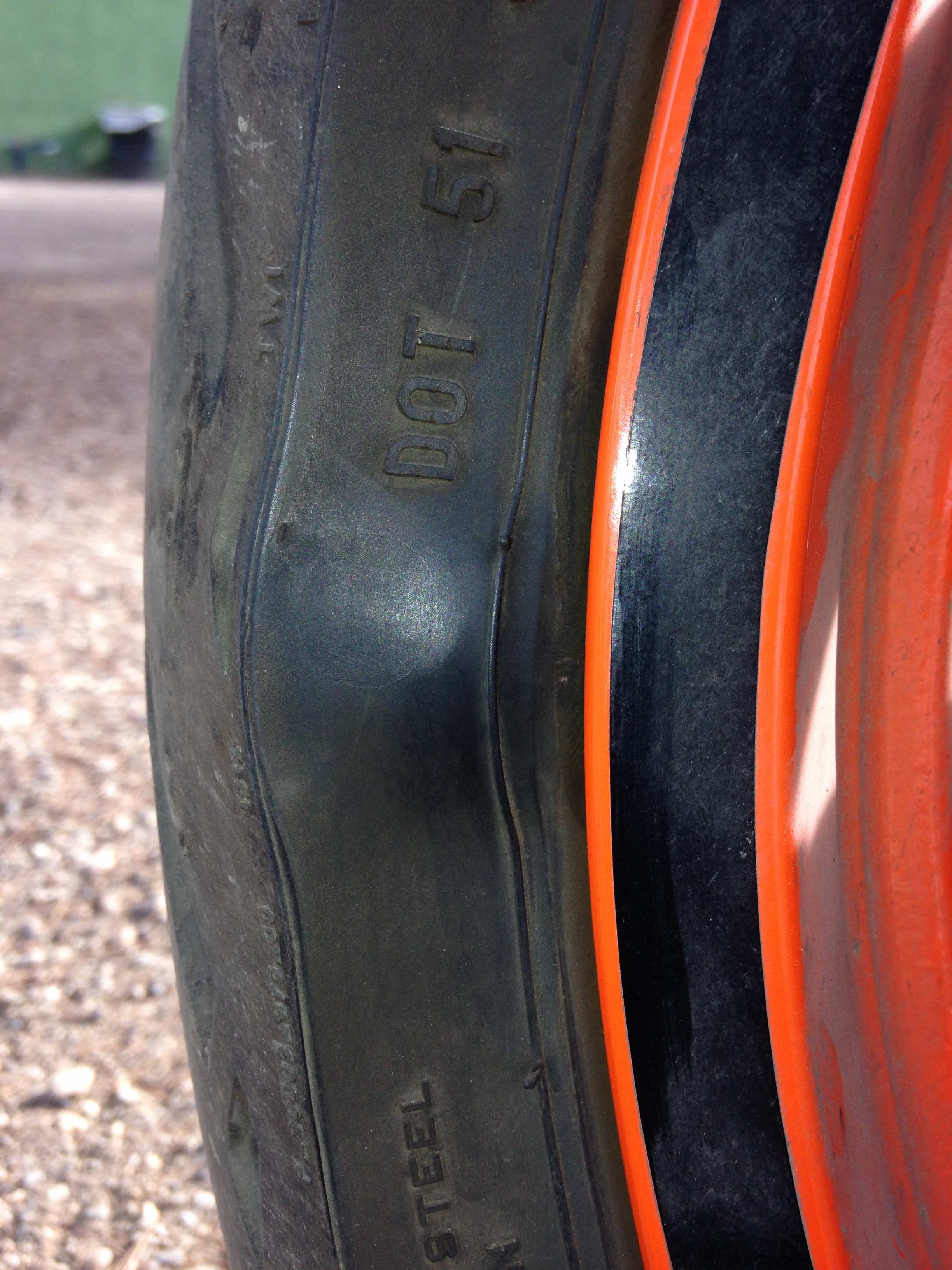
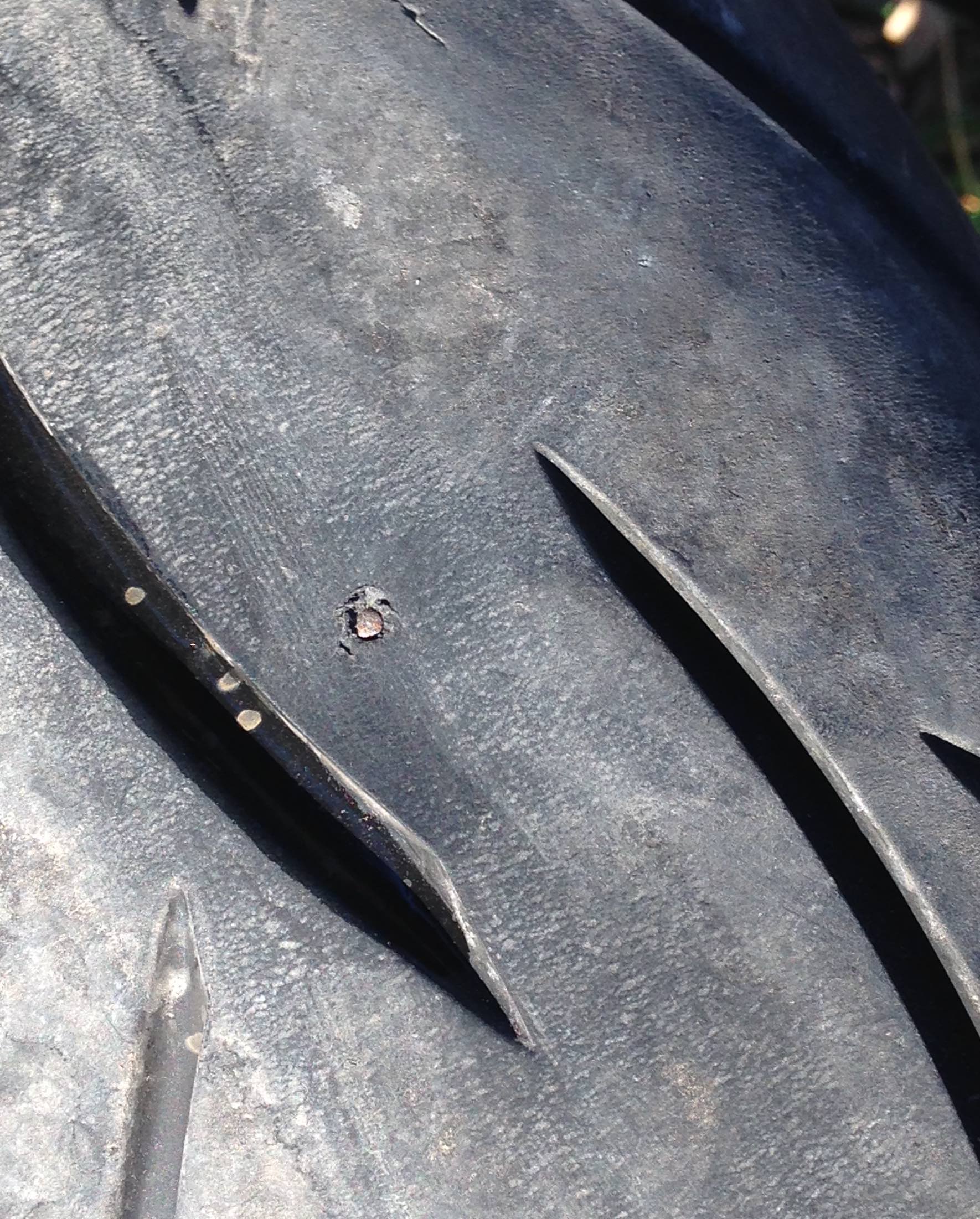
The roads in the mountains around Denia are superb, long sweepers, tight S bendy climbs and descents, and so little traffic. The area is used by many international cycle teams for training so some caution was needed. These roads could have been especially designed for the bike. The rear of the Duke seemed a bit loose and I experienced the back end sliding out on many occasions. This may be due in part to the Spanish roads, often dusty and seemingly polished with constant changes in surface and holding the damp where the road was shaded. The standard Metzelers seemed to respond badly to transitional changes in the road surface, giving a little shift sideways as power was demanded. We had a tyre-wall failure after a particularly big pothole hit in Morocco and a nail puncture in the other bike.
During or trip to Algeciras and subsequently in Morocco we had to deal with some heavy winds. We both felt the bikes felt unstable in a cross wind but gusts were up-to 40k and the bikes are very light. Fuel consumption was pretty much what you might expect, refilling after 200k would take about 10 litres, less if we had been taking it easy. Fuel warnings were good leaving a useful range after the first yellow warning on the display.
In conclusion I rather liked my Duke and I think Jen did too. It’s a fun bike when pushed, that works as mini tourer too. Comfortable and light with useable power and great value for money.
In Morocco we were carrying camping gear plus clothing. We travel fairly light and the additional weight did not upset the handling. Apart from the tyre failure, the bikes stood up well to the indifferent Moroccan roads. An occasional spanner check did not reveal any loose fittings. The bikes attracted a lot of admiring interest in Morocco, especially with the kids.
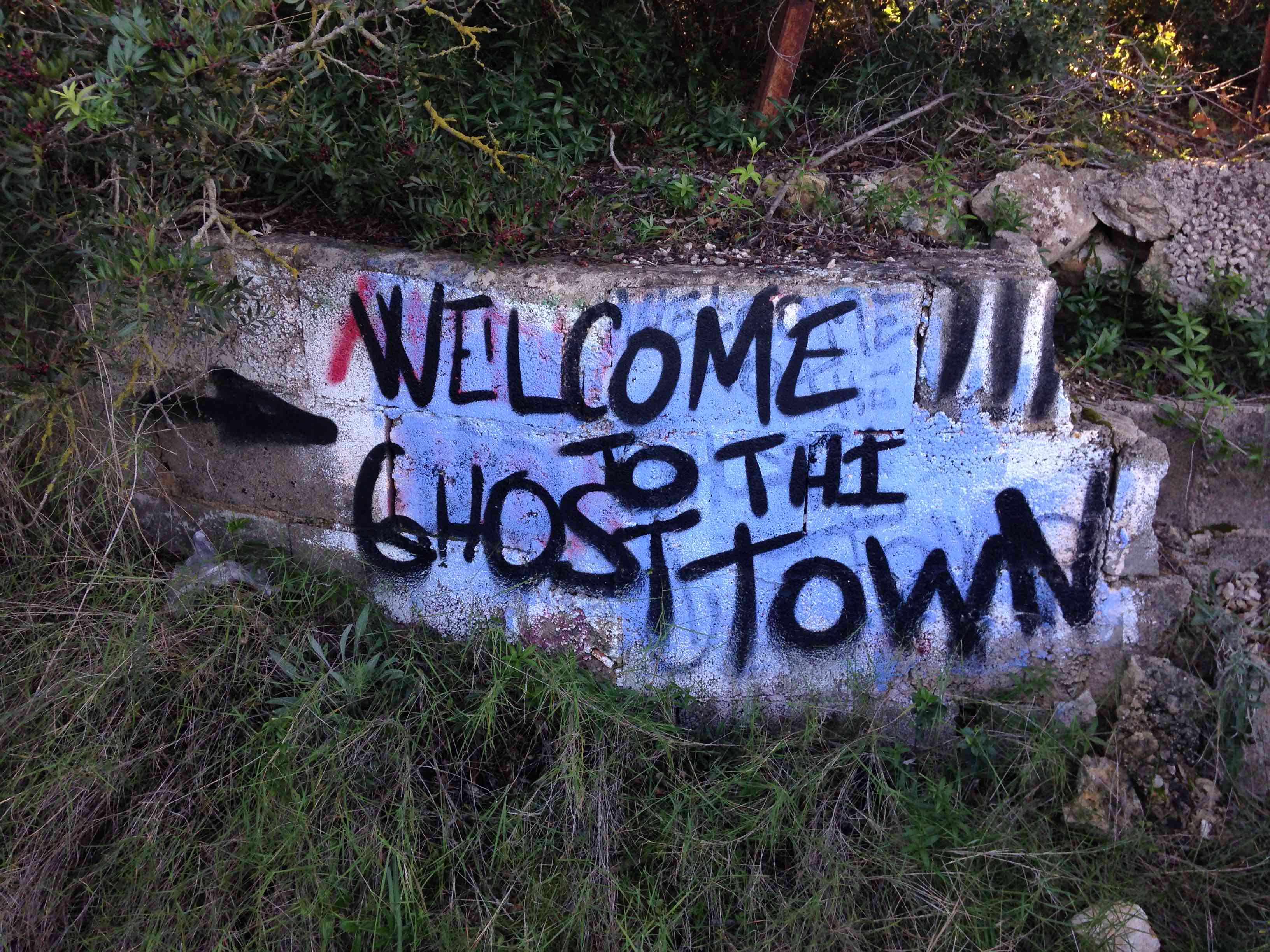
At the end of the seafront promenade that runs from the port town of Denia to the cliffs topped by the Gerro tower, there is a Ghost Town.
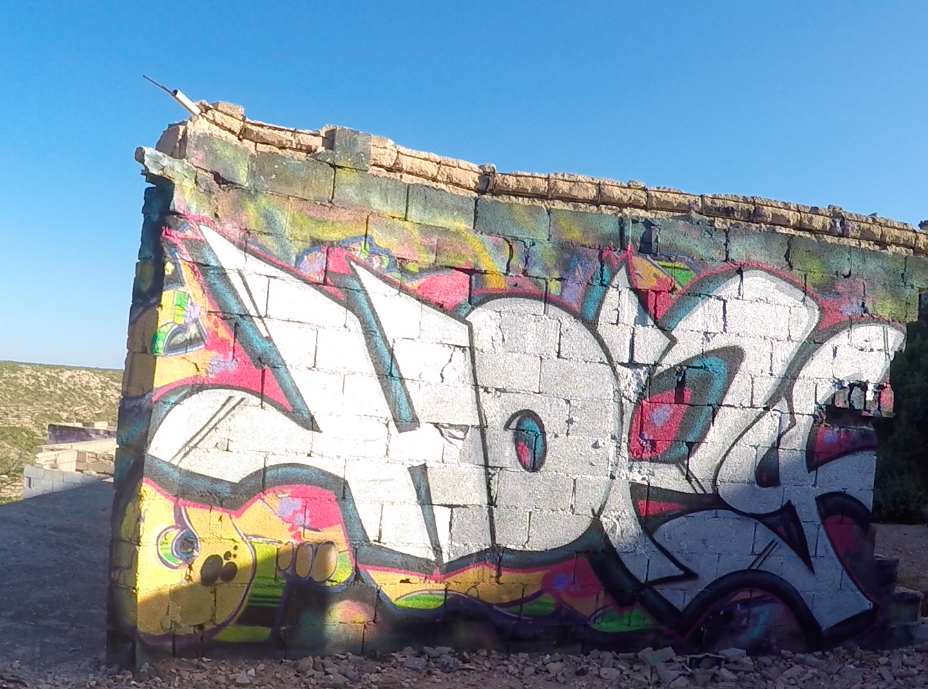
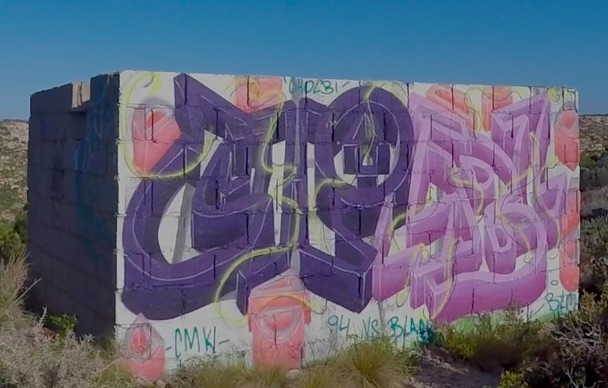
This amazing, ramshackle, wreck of a building site has become home to the flora and fauna of the Costa Blanca, as well as a canvas for local artists. It looks like a filmset for an apocalyptic tale, seemingly designed to appear aged and decayed.
Everyone who visits wants to know the story of this hauntingly enigmatic place. Is it simply the result of a developer going bust, as so often happens during financial downturns, or is there a history with meat on it’s bones that we can enjoy gnawing at?
Given that I have nothing else to do with my empty life, I took it upon myself to find the facts and pop them here for you to read and marvel at. I cannot guarantee that all the information is correct, nor have I included every twist and turn of the tale; it is a forty six year saga, and I could feel my life slipping by as I picked my way through the detritus of this glorious mess.
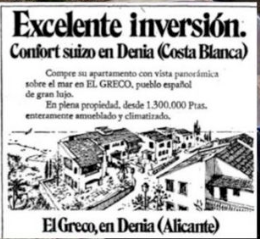
In 1973 Denia city council granted planning permission for a Swiss group of financiers (The Society of Financial Studies and Real Estate Transactions: SEFI) to build 616 homes on a wild and prominent ridge that has deep valleys on either side. The building plot was 60 hectares of virgin land, with sea views on two sides and Montgo mountain on a third side. It is a stunning location, as the developers knew and they also knew that it would be a popular location for anyone wanting to retreat to the Costas. A premium site of this kind would mean great profits.
The project was, and still is, called Urbanisation El Greco, but locally it is always referred to as The Ghost Town.
Unfortunately, having thrown up 111 properties, with 40 of them completed, the building company (Dragados y Construcciones), given the task of erecting this small town, fell into dispute with the developers. The argument has never been settled and the whole project ground to a halt.
Here the dates are a little garbled, so I have gone for the most popular facts:
In 1987, the local authority designated the Mount Montgo area a Natural Park, whose boundary encompassed the 60 hectares of land earmarked as Urbanisation El Greco. It is is an ‘area of special protection’ and although the plans for the 616 properties had been approved and acted upon, all future work on site was banned. Even where properties were finished, they could not be inhabited.
In 1993, a new company, Valcomar SA (Valencia based) bought the project; by my reckoning, there was no chance that they could now build in this area. These new owners have been unable to reverse this decision.
1998 A study was commissioned to assess the feasibility of the demolition and reinstatement of a natural environment. The study was finished in 2008 but still demolition awaits! Over the years, responsibility has been passed from department to department.
1999, and Denia city requested the right to acquire the site by bringing it into public ownership, and then to demolish the structures and return the whole site to it’s original natural state. The Ministry of the Environment promised to discuss the matter with the owners. All went quiet.
In 2008 the Environment Ministry ordered the demolition of the site as it was outside planning laws. It was estimated, at that time, that the cost of demolition and re-naturalisation of the site would cost 400,000 Euros. No official bodies had that kind of money to spare. Naturally the Swiss contingent had vaporized and the new owners were fighting any order that might make them liable for the bill.
And so, there it sits. The local authority do not have enough money to pay for someone to look through the documents and work out who is liable to foot the demolition bill. I cannot begin to guess how much public money has been wasted on this fiasco to date.
I will lay my cards on the table. Yes the Ghost Town generates rubbish as kids leave litter behind. This litter can be blown across the Natural Park and can find it’s way into the sea. There are also concerns over the possible leaching from rubbish left on site. But here is a place that offers an outstanding visual impact, no less startling and abrupt than Mount Montgo. Starting from this point in the history of this place, there must be a better solution than that impossible dream of re-naturalisation.
All land, no matter how wild, how pristine, will carry the scars of human life, as we protect ourselves; Gerro Tower, we feed ourselves; Molins DeLa Plana, and we house ourselves; Urbanization El Greco. None of these places is natural, as witnessed by the extensive terracing within the Montgo reserve, and yet they give us an understanding of the land and it’s history and make us wonder at a wilderness where our structures can be comprehensively dwarfed by nature.
Simply knocking down buildings because they are in the wrong place seems unimaginative. People visit this area for many reasons and are fascinated by this ‘Ghost Town’. Why not put up an interpretation board for the tourists and hold Graffiti Art events on site for all comers? This must be a good time to help people understand the ways in which nature is reclaiming the town, and the reasons why it was decided to stop chasing the money needed to level it and look at ways to celebrate it in all it’s crumbling glory.
The more the place is used, the less it will be abused.
























 The Wandering Wallys