Getting Plastered

Going downhill fast at TSA Shred Week, 2019
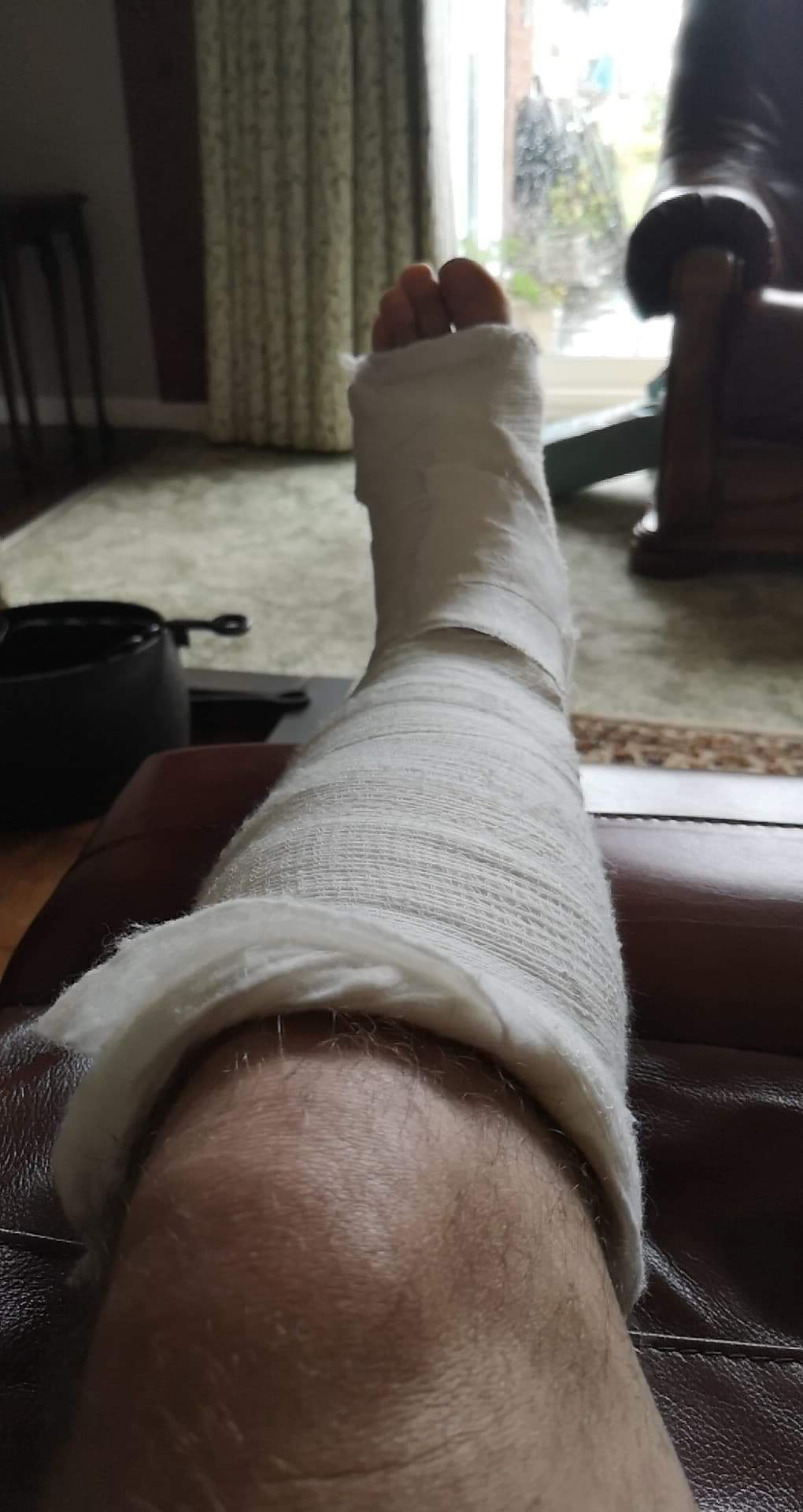
We Wanderers were wandering up to the French Alps to meet up with a group of old friends and their children. We were in our little hire car, which we had managed to stuff to the gunwales with most of the essentials for a fun week on the piste. I say ‘most’, because there was one thing missing from our equipment. A thing no winter holiday can survive without. No, not a hot water bottle, nor a cuddly toy, not even Werthers Originals. The missing ingredient that would make everyone flow down those mountains with ease was that famous lubricant; alcohol. After a busy five minutes on Messenger, Wally and I had a list. Lidl was the shop of choice, due to us being too lazy to look any further than the one very near to our overnight stop. In no time at all our shopping trolly was tottering about under the weight of our ‘basics’. Things were now in place to aid any friend who felt a need to get plastered.
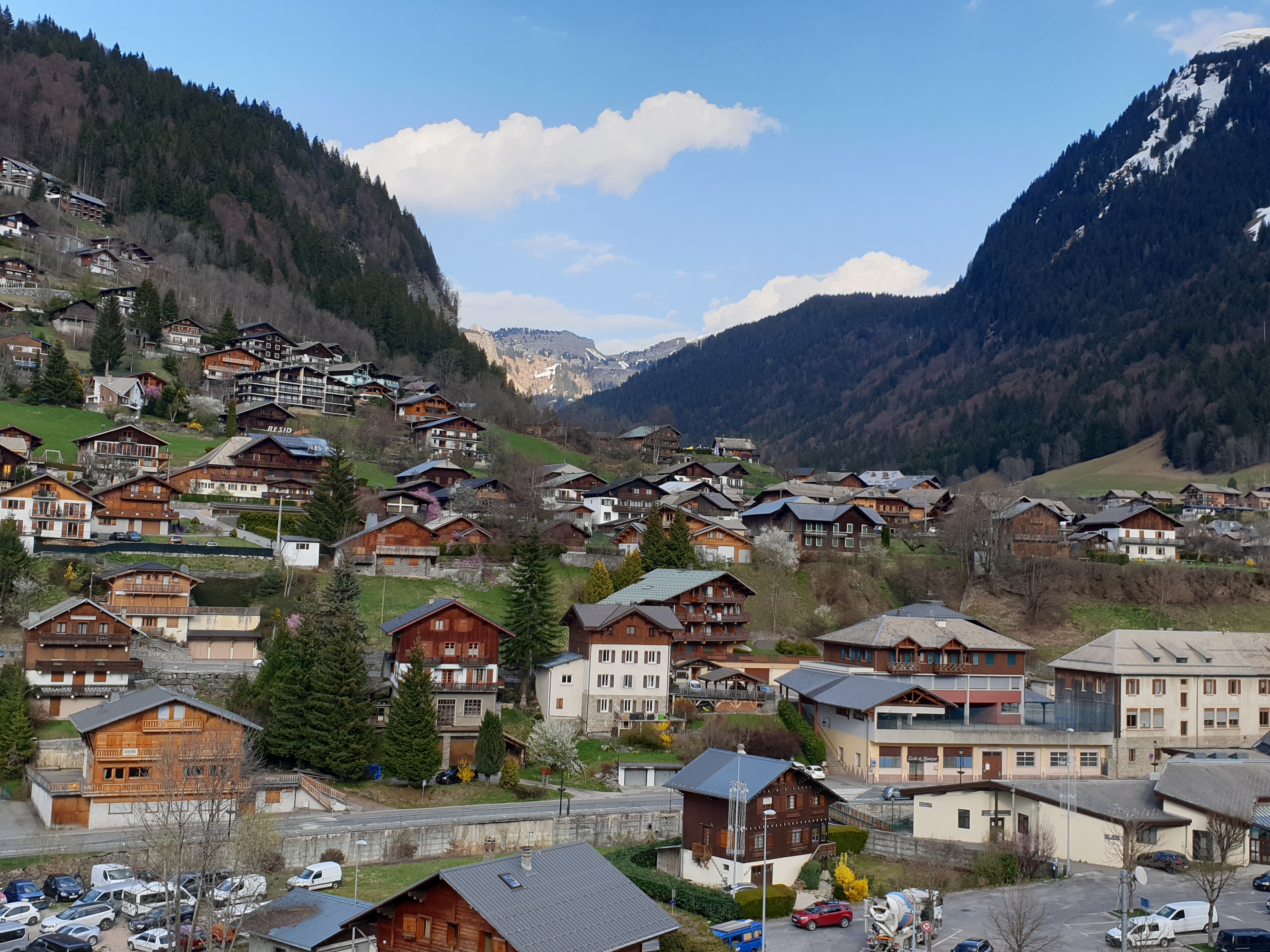
We had come to Morzine for an end of the season snowboard equipment testing week, run by The Snowboard Asyslum. What an opportunity it was, to have lots of next seasons snowboards, boots, goggles to use, free of charge and to be able to change them every evening for something newer than new to try. The snow and the laughs were guaranteed. Throw in a chalet with excellent hospitality and food and hot tubs, even if you do not like winter sports, you will have a great break; which clearly, Wally and I needed desperately.
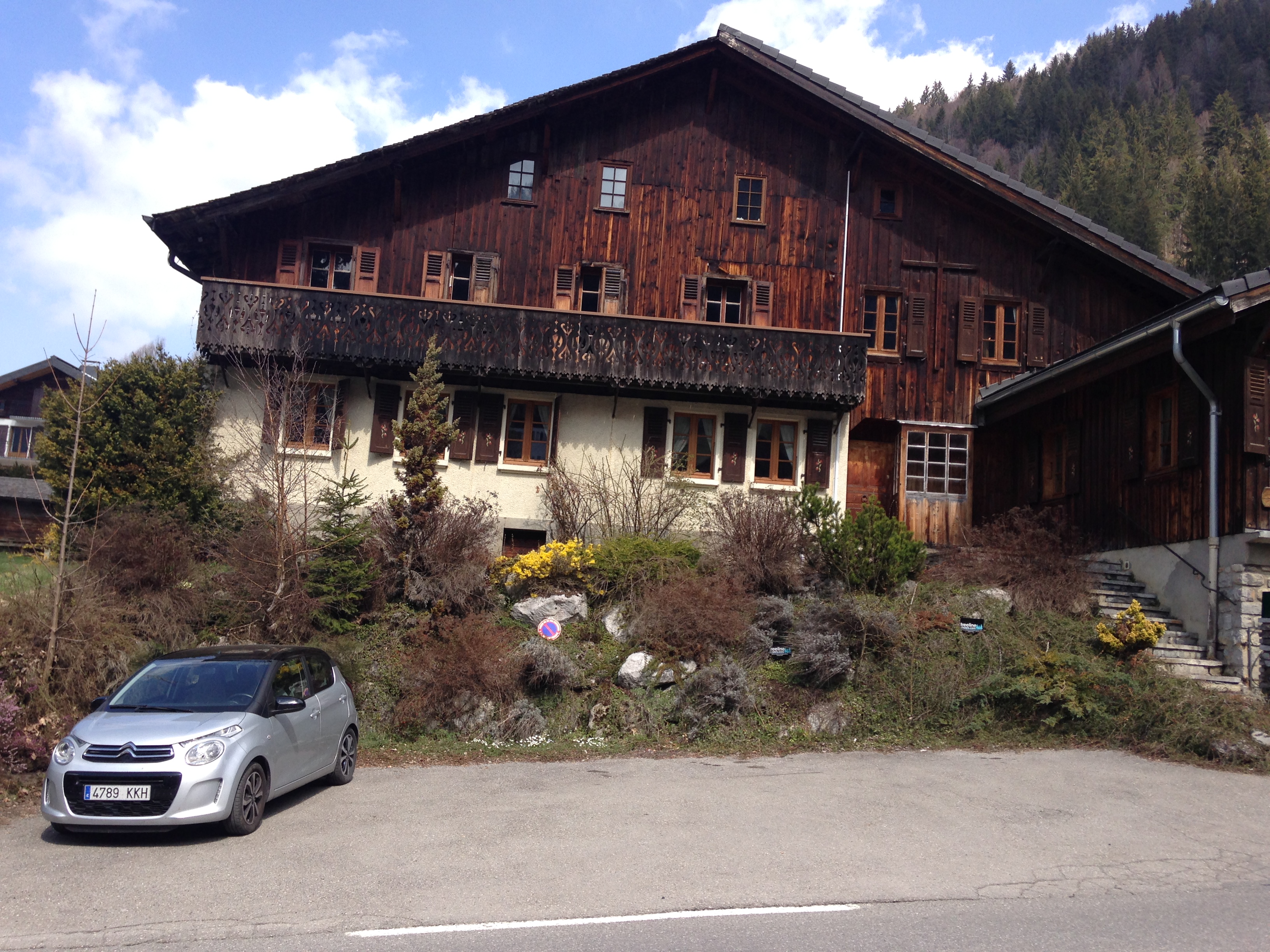
Beziere Chalet, home from home

We arrived in mid afternoon to an empty chalet and a lonely meal, served up by our fun young chalet hosts Tim and Lucy. Our chums finally arrived just ahead of the witching hour, tired, over excited, and hungry.

Table for two monsier?

Cath, probably showing off in front of the boys, immediately tried busting a move at the top of the shiny stairs. We later decided to score the mishaps of our group and this was a stellar beginning.

She fell all the way to the bottom of the staircase, on her bottom. 8/10 for effort Cath and a 9/10 for the quality and range of that bruise.
Gerry decided to cheat and rocked up to the party with a prior injury to his shoulder. It does not count Gerry. 1/10 for your cheek and 1/10 for your lack of damage to yourself during the week.

The next morning, on the snowy slopes I was bowled over by an elderly French man. Not bad for my first day on the slopes. Not bad at all. Except it forced me to switch from snowboard to skis. I had hurt my back in an attempt to impress him with my amazing flying skills. 3/10 for effort, the old fella did all the work, I had only to fall into his arms, but I missed. 4/10 for the injury, it may have smarted for the week, but there was no bruise.

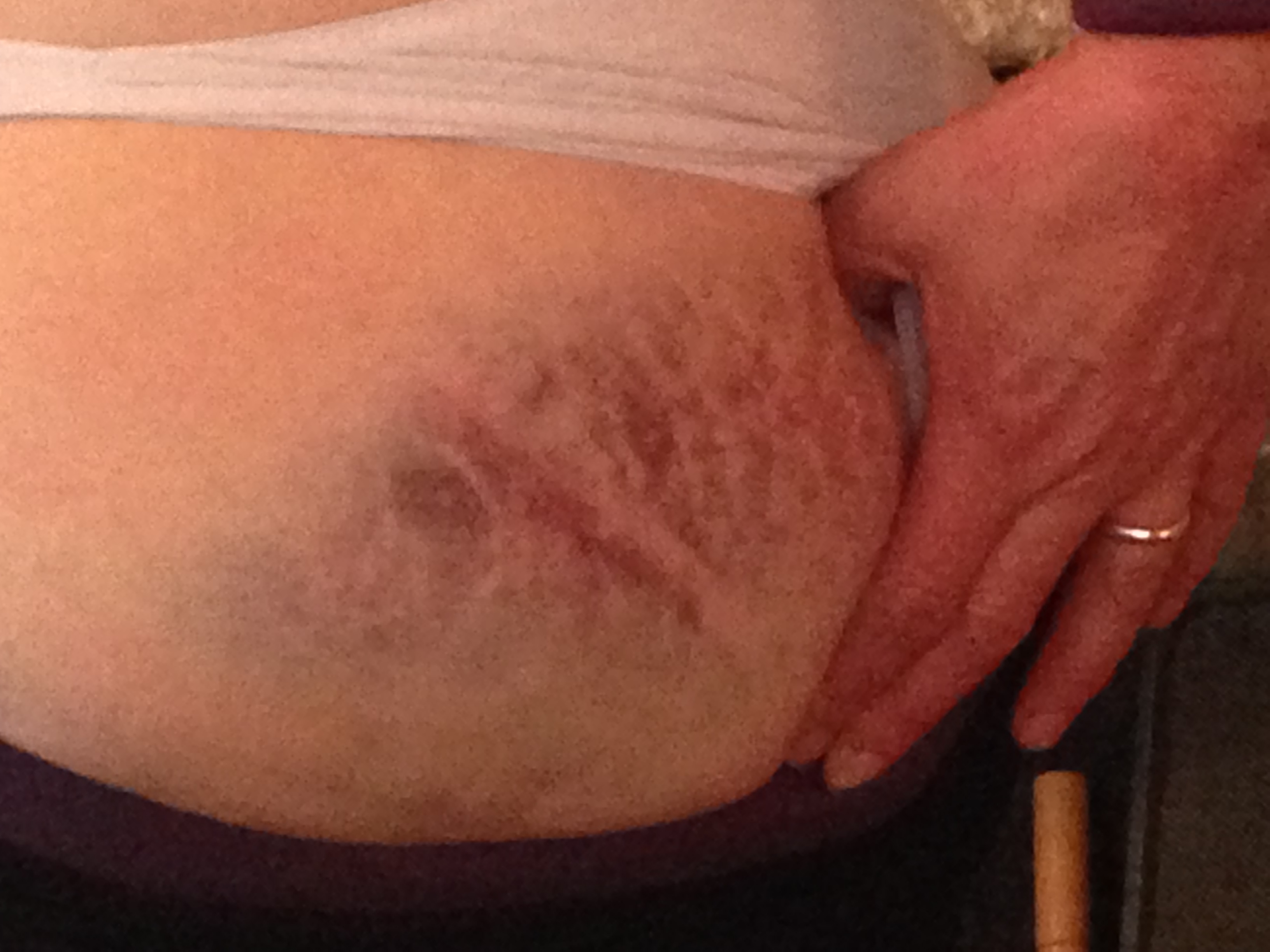
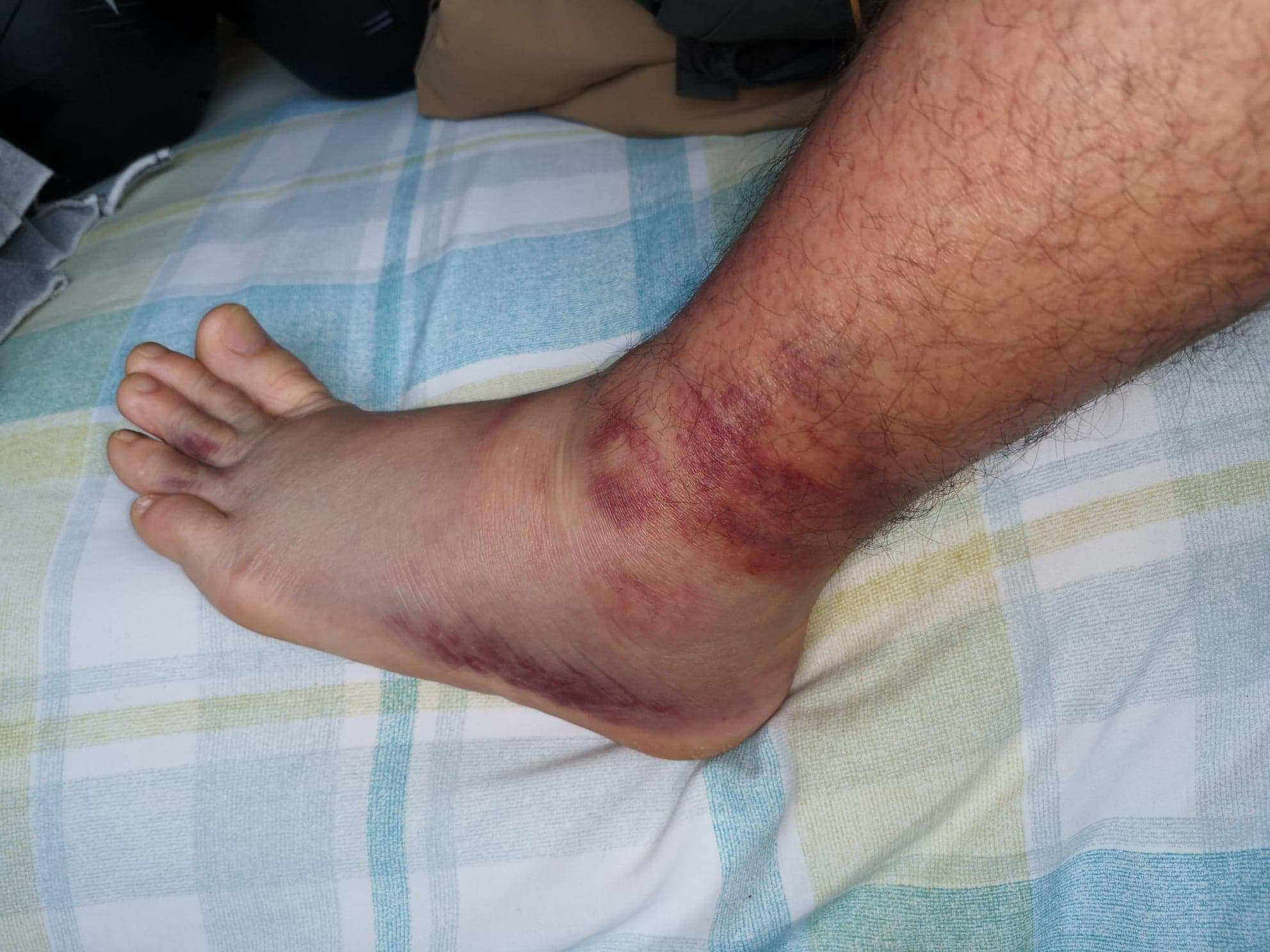
Wally only had to walk from the living room to the bedroom to sustain an injury. One busted up toe as he stubbed it on a shallow black step in a very black hallway. 1/10 for not taking enough water with it and 7/10 for an impressive mess of a toe; the bruise was good too. Switch the light on next time.
mmmm sexy!

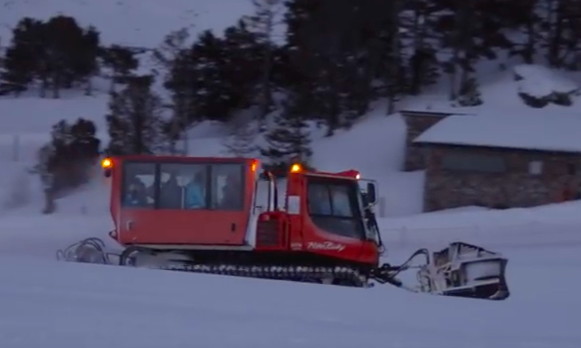
Andy began fantasising about piste-bashers from the first moment one munched and crunched its way past him; simultaneously, the ghost of Bob Ross entered the building, channelled by Tom C. At the far end of the dining table, Bob Ross appeared to be banging on about modern art to Oscar, the son of an artist. All this was probably due to altitude sickness. 3/10 each, Andy, Tom and Bob, as this is not normal behaviour and 8/10 for allowing us to all laugh at your afflictions.
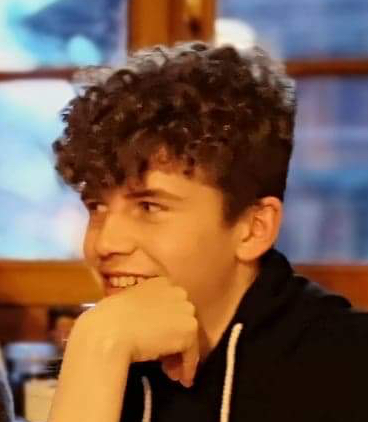
Tom alias ‘Bob Ross’

Simon’s phone could take no more; it was only day two. It made a desperate bid for freedom. Simon was extremely lucky to keep his hand, as it and the phone were so tightly welded together at all times. His phone was last tracked to Paris; a very good destination, as there is no better place to be in Spring. 6/10 for keeping your phone safe for one day and 10/10 for such a debilitating loss of limb.
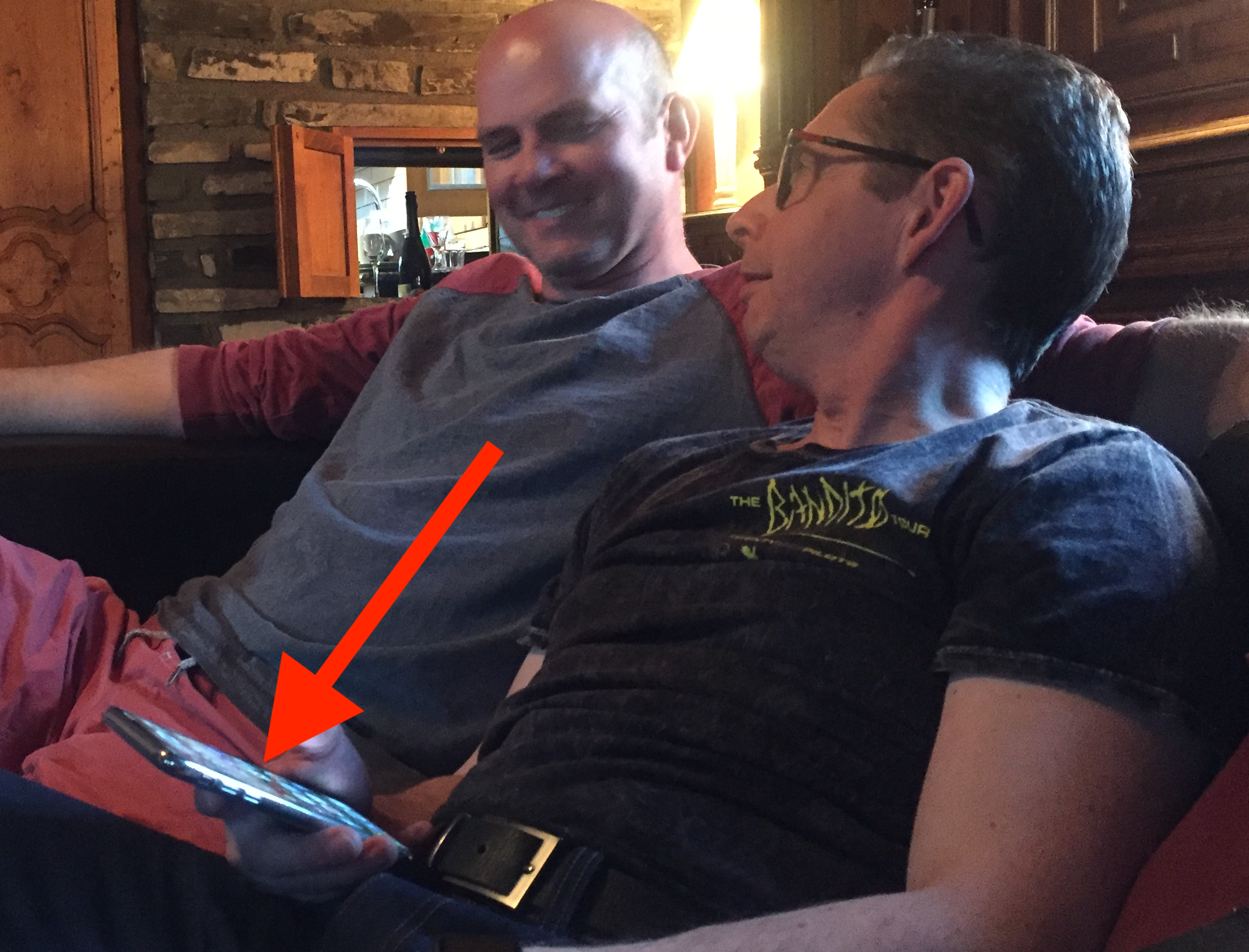
Have you seen this phone?…….no, nor has Simon!

Tom G picks up 7/10 for surreptitiously attempting world domination, but only 1/10 for success.

Jake remained in one piece, despite spending the entire week pushing himself to his beginners limits, in an effort to get enough air to do a backflip. 8/10 for ambition. 0/10 for the injury you managed to avoid. Better luck next year Grasshopper.

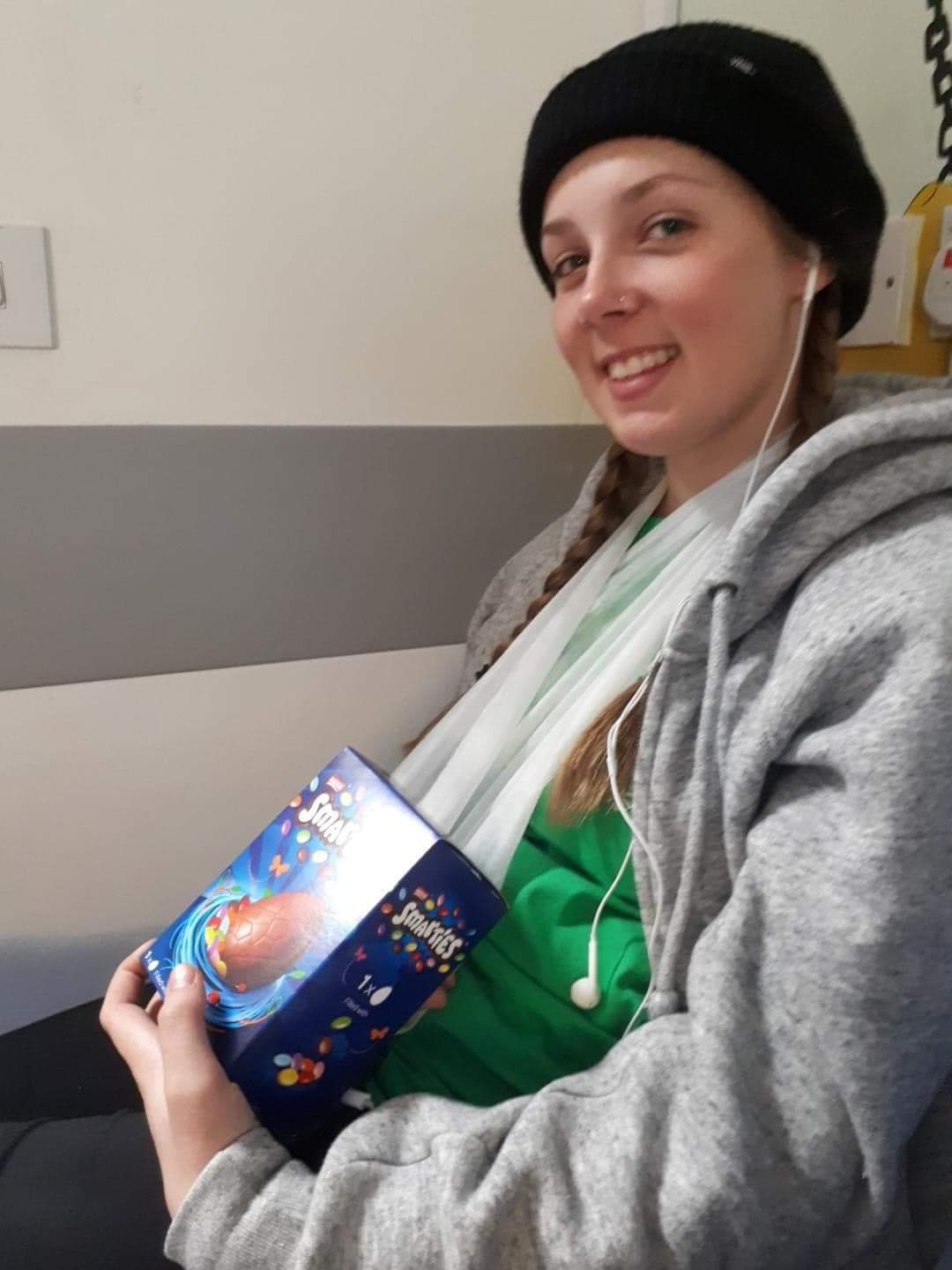
Kyra had decided that she could get a high score with just a smidgen more speed and landed on her shoulder. Luckily it was the penultimate day. Cafe culture was her new sport. 10/10 for a stylishly spectacular crash and 10/10 for having to wear a sling and for having a ‘proper’ injury.
Charlie worked very hard for a mention in this section; he did this by waxing and scraping bottoms. Well, what ever makes you happy Charlie. 10/10 for the effort you put in and 3/10 as you avoided an industrial injury to yourself, but you did manage to burn your mentor (watch the video evidence!)

Paul is competitive. Never forget that. He saved himself for the last run of the last day for his Opus Dei and has since spent a lot of time in hospital being ministered by Angels. 6/10 for a great raggy doll impersonation; when will you learn? Smiling through the pain? 10/10 and only 2 bones broken. Top injury!
The rest of the group spent the holiday out of the limelight, which is where most of us wanted to be.

The week shot past in a blur of meals, hot tub moments, snowboarding, skiing, lounging and laughing.

We have learned a lot this during our stay: kids bounce – scientifically proven on this holiday; water is not wet! And if you want to get plastered, winter sports is for you. Who knew?

Thanks go to Gerry for exposing his previously unseen organisational skills to such great effect and to The Snowboard Asylum for orchestrating yet another brilliant week of fun. Also thanks to the young ones for keeping us young at heart.
Now marvel at the video:
Please give us feedback, good or bad, by commenting NOW!

The Ghost Town of Denia, Spain.

Check out the video at the end of this post.

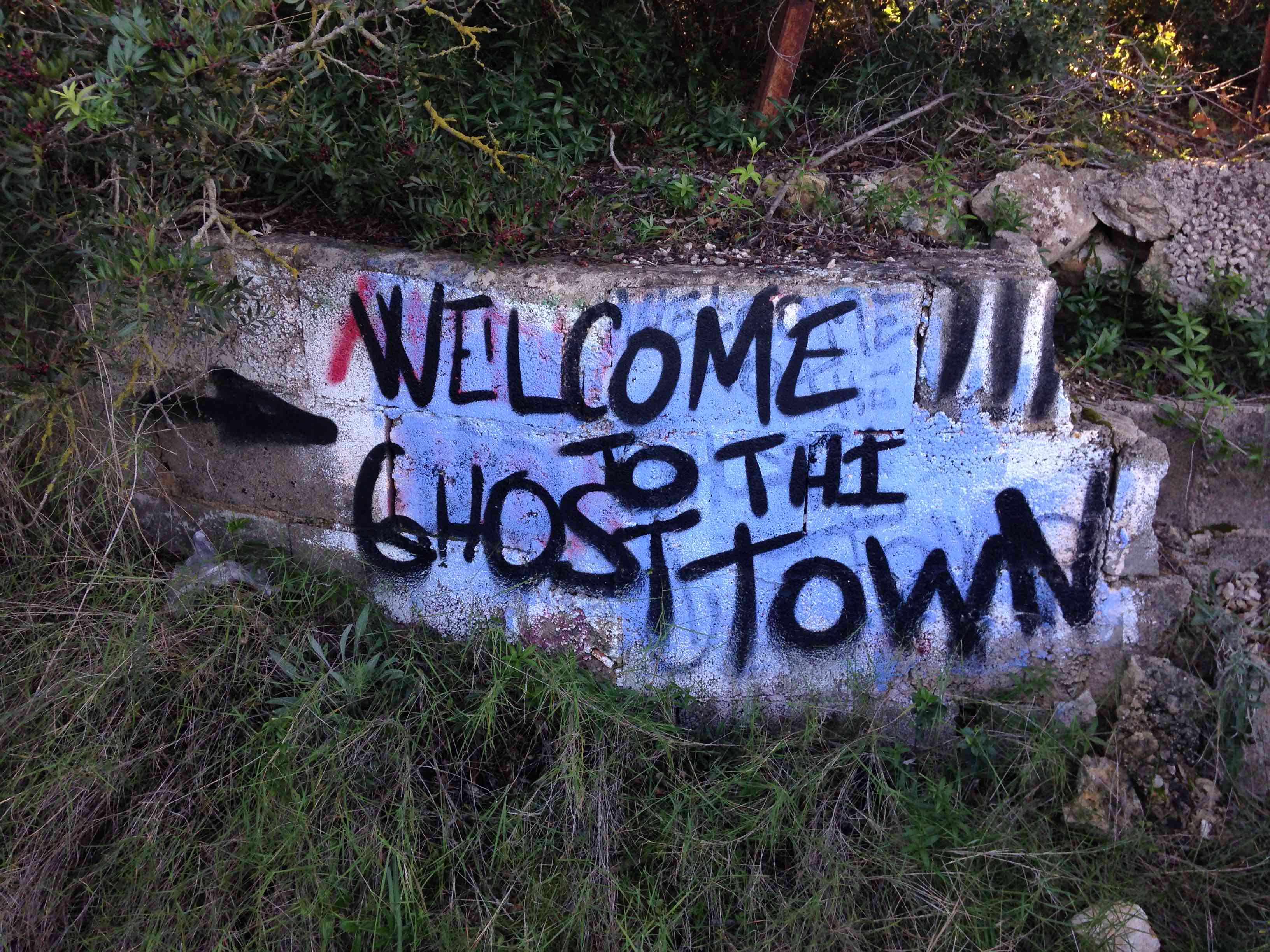
At the end of the seafront promenade that runs from the port town of Denia to the cliffs topped by the Gerro tower, there is a Ghost Town.

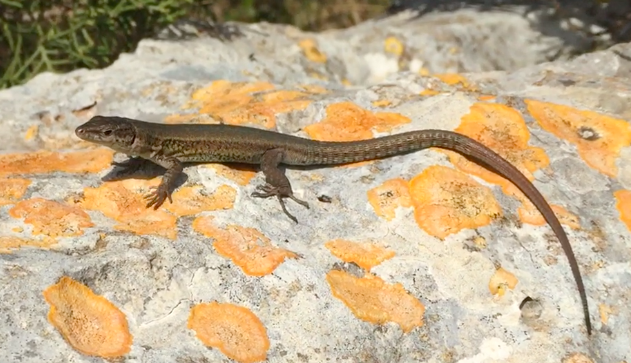
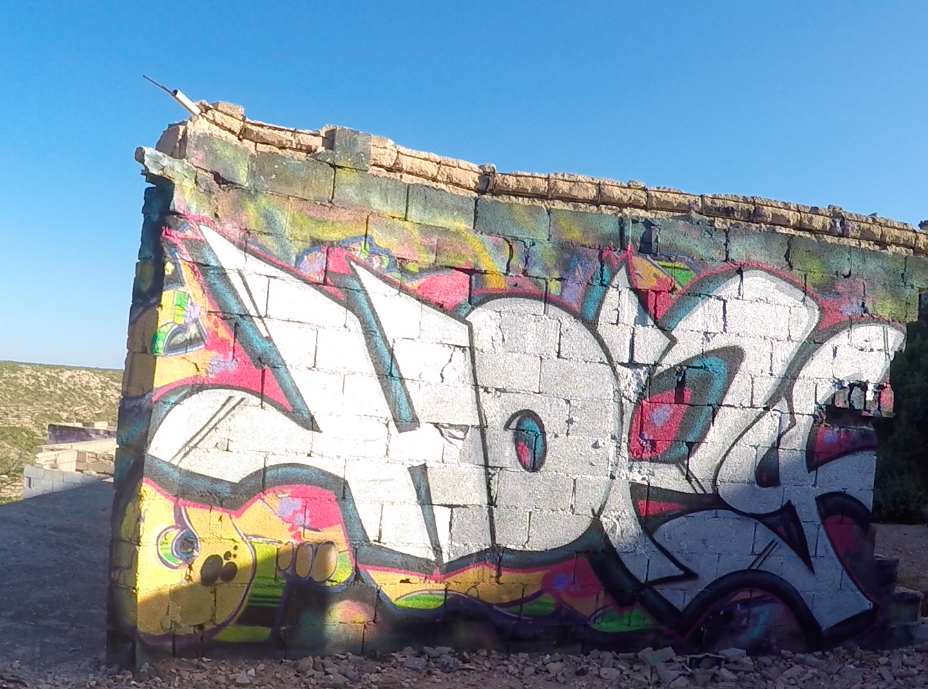
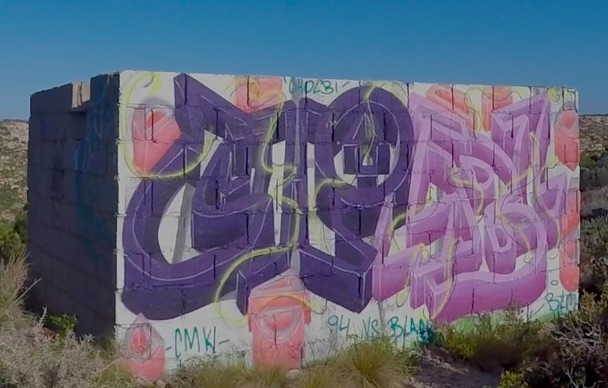
This amazing, ramshackle, wreck of a building site has become home to the flora and fauna of the Costa Blanca, as well as a canvas for local artists. It looks like a filmset for an apocalyptic tale, seemingly designed to appear aged and decayed.

Everyone who visits wants to know the story of this hauntingly enigmatic place. Is it simply the result of a developer going bust, as so often happens during financial downturns, or is there a history with meat on it’s bones that we can enjoy gnawing at?

Given that I have nothing else to do with my empty life, I took it upon myself to find the facts and pop them here for you to read and marvel at. I cannot guarantee that all the information is correct, nor have I included every twist and turn of the tale; it is a forty six year saga, and I could feel my life slipping by as I picked my way through the detritus of this glorious mess.

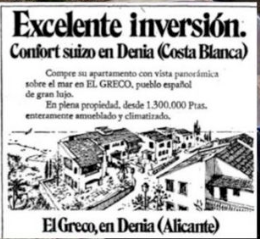
In 1973 Denia city council granted planning permission for a Swiss group of financiers (The Society of Financial Studies and Real Estate Transactions: SEFI) to build 616 homes on a wild and prominent ridge that has deep valleys on either side. The building plot was 60 hectares of virgin land, with sea views on two sides and Montgo mountain on a third side. It is a stunning location, as the developers knew and they also knew that it would be a popular location for anyone wanting to retreat to the Costas. A premium site of this kind would mean great profits.

The project was, and still is, called Urbanisation El Greco, but locally it is always referred to as The Ghost Town.

Unfortunately, having thrown up 111 properties, with 40 of them completed, the building company (Dragados y Construcciones), given the task of erecting this small town, fell into dispute with the developers. The argument has never been settled and the whole project ground to a halt.

Here the dates are a little garbled, so I have gone for the most popular facts:

In 1987, the local authority designated the Mount Montgo area a Natural Park, whose boundary encompassed the 60 hectares of land earmarked as Urbanisation El Greco. It is is an ‘area of special protection’ and although the plans for the 616 properties had been approved and acted upon, all future work on site was banned. Even where properties were finished, they could not be inhabited.

In 1993, a new company, Valcomar SA (Valencia based) bought the project; by my reckoning, there was no chance that they could now build in this area. These new owners have been unable to reverse this decision.

1998 A study was commissioned to assess the feasibility of the demolition and reinstatement of a natural environment. The study was finished in 2008 but still demolition awaits! Over the years, responsibility has been passed from department to department.

1999, and Denia city requested the right to acquire the site by bringing it into public ownership, and then to demolish the structures and return the whole site to it’s original natural state. The Ministry of the Environment promised to discuss the matter with the owners. All went quiet.

In 2008 the Environment Ministry ordered the demolition of the site as it was outside planning laws. It was estimated, at that time, that the cost of demolition and re-naturalisation of the site would cost 400,000 Euros. No official bodies had that kind of money to spare. Naturally the Swiss contingent had vaporized and the new owners were fighting any order that might make them liable for the bill.

And so, there it sits. The local authority do not have enough money to pay for someone to look through the documents and work out who is liable to foot the demolition bill. I cannot begin to guess how much public money has been wasted on this fiasco to date.

I will lay my cards on the table. Yes the Ghost Town generates rubbish as kids leave litter behind. This litter can be blown across the Natural Park and can find it’s way into the sea. There are also concerns over the possible leaching from rubbish left on site. But here is a place that offers an outstanding visual impact, no less startling and abrupt than Mount Montgo. Starting from this point in the history of this place, there must be a better solution than that impossible dream of re-naturalisation.

All land, no matter how wild, how pristine, will carry the scars of human life, as we protect ourselves; Gerro Tower, we feed ourselves; Molins DeLa Plana, and we house ourselves; Urbanization El Greco. None of these places is natural, as witnessed by the extensive terracing within the Montgo reserve, and yet they give us an understanding of the land and it’s history and make us wonder at a wilderness where our structures can be comprehensively dwarfed by nature.

Simply knocking down buildings because they are in the wrong place seems unimaginative. People visit this area for many reasons and are fascinated by this ‘Ghost Town’. Why not put up an interpretation board for the tourists and hold Graffiti Art events on site for all comers? This must be a good time to help people understand the ways in which nature is reclaiming the town, and the reasons why it was decided to stop chasing the money needed to level it and look at ways to celebrate it in all it’s crumbling glory.

The more the place is used, the less it will be abused.

Don’t forget to add your comments etc.

Moulay Bousselham

A Haven For Wildlife

At the end of this post, why not enjoy the 2 minute video of our boat journey through the lagoon.

Sometimes an insignificant little dot on the map, conveniently positioned for a stop over during a journey, reveals itself as a magical destination. And so it was with little Moulay Bousselham.

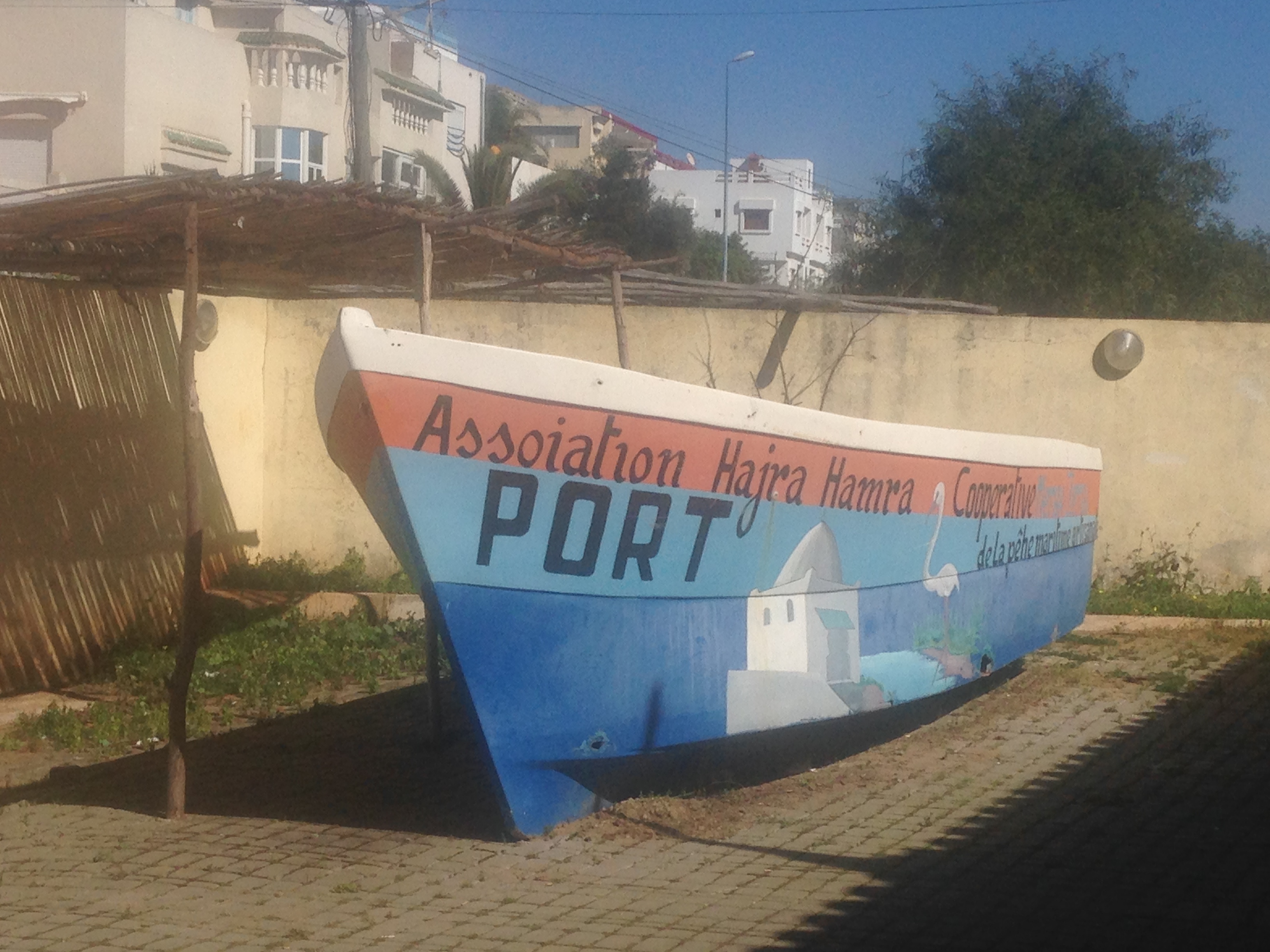
A display boat outside the fish auction at Moulay Bousselham.

The campsite is verdant and huge. Motorhomes and tents park where they want, in a random muddle. Electricity points are everywhere and none of them look as if they should work, but they do. The service water is cold, except in the showers where hot water prevails!

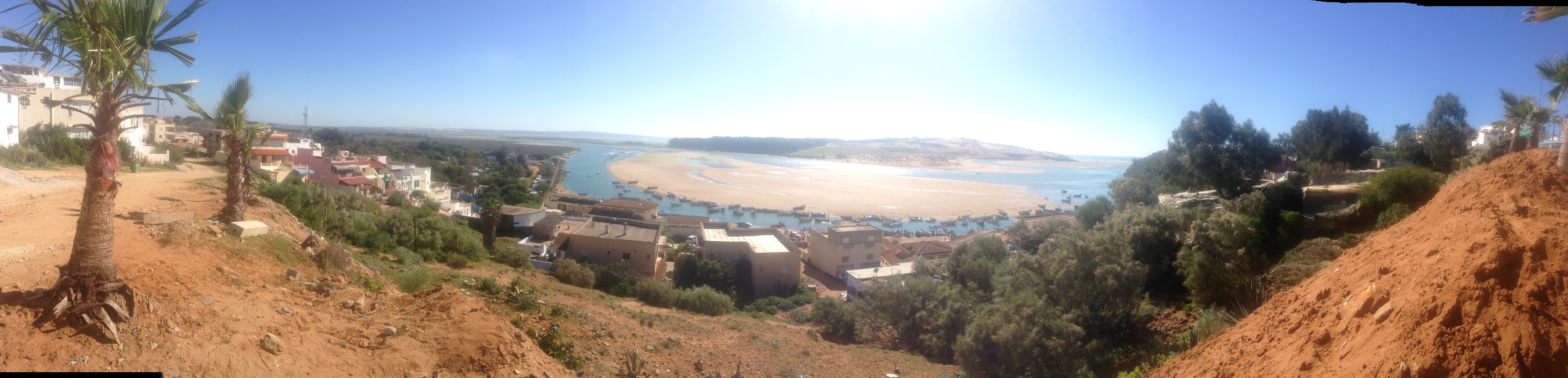
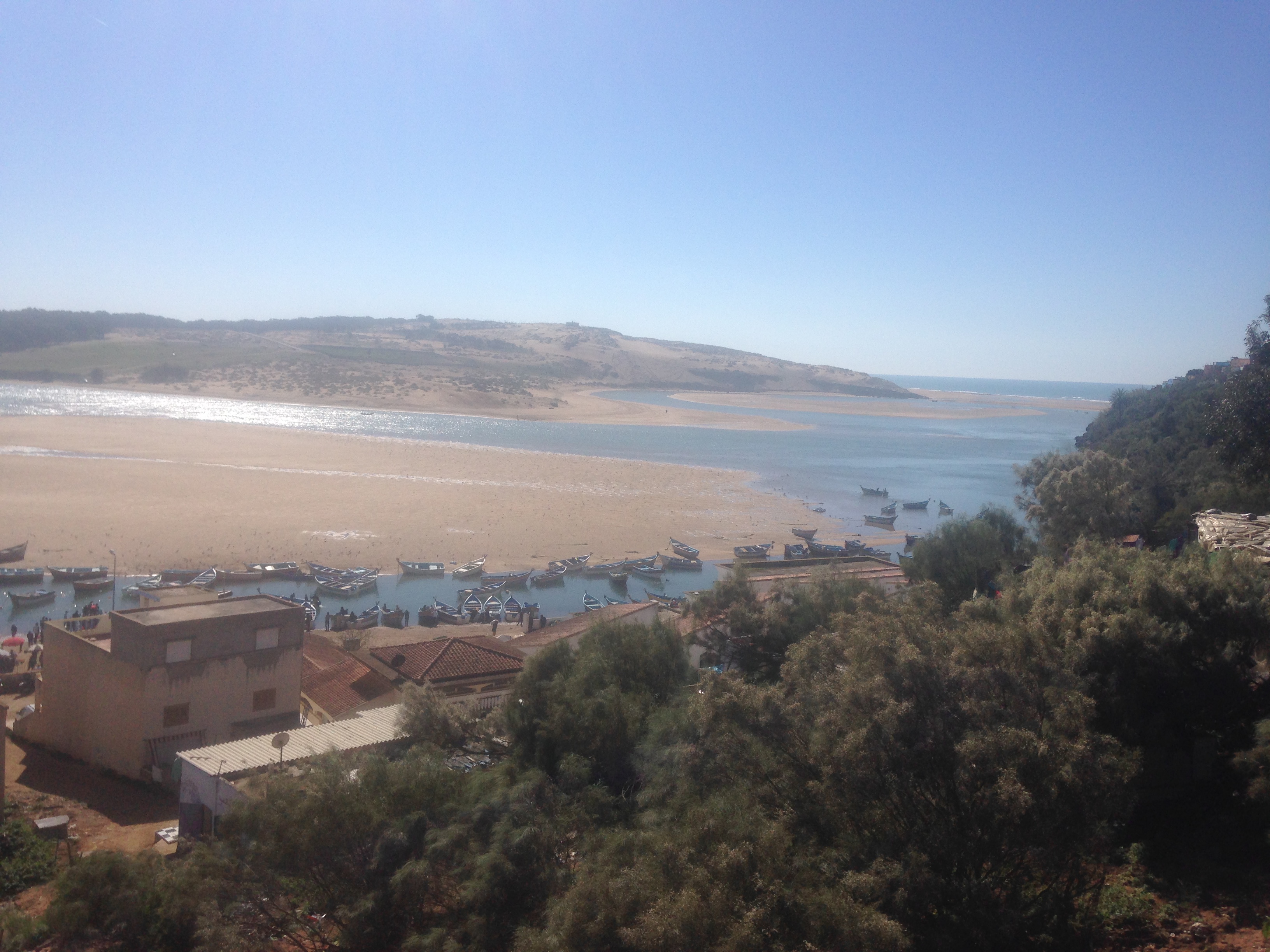
As if all this was not a miracle in a country where campsites are usually closed, closed down, or so well hidden they might as well be either of the former, this site overlooks a stupendous marine view; a staggeringly beautiful and vibrant wonder. Our road map had indicated, by dint of a tiny blue splodge, that there was a largish body of water here, slightly set back from the sea; probably a lagoon. In terms of wildlife, a lagoon is always worth a look.

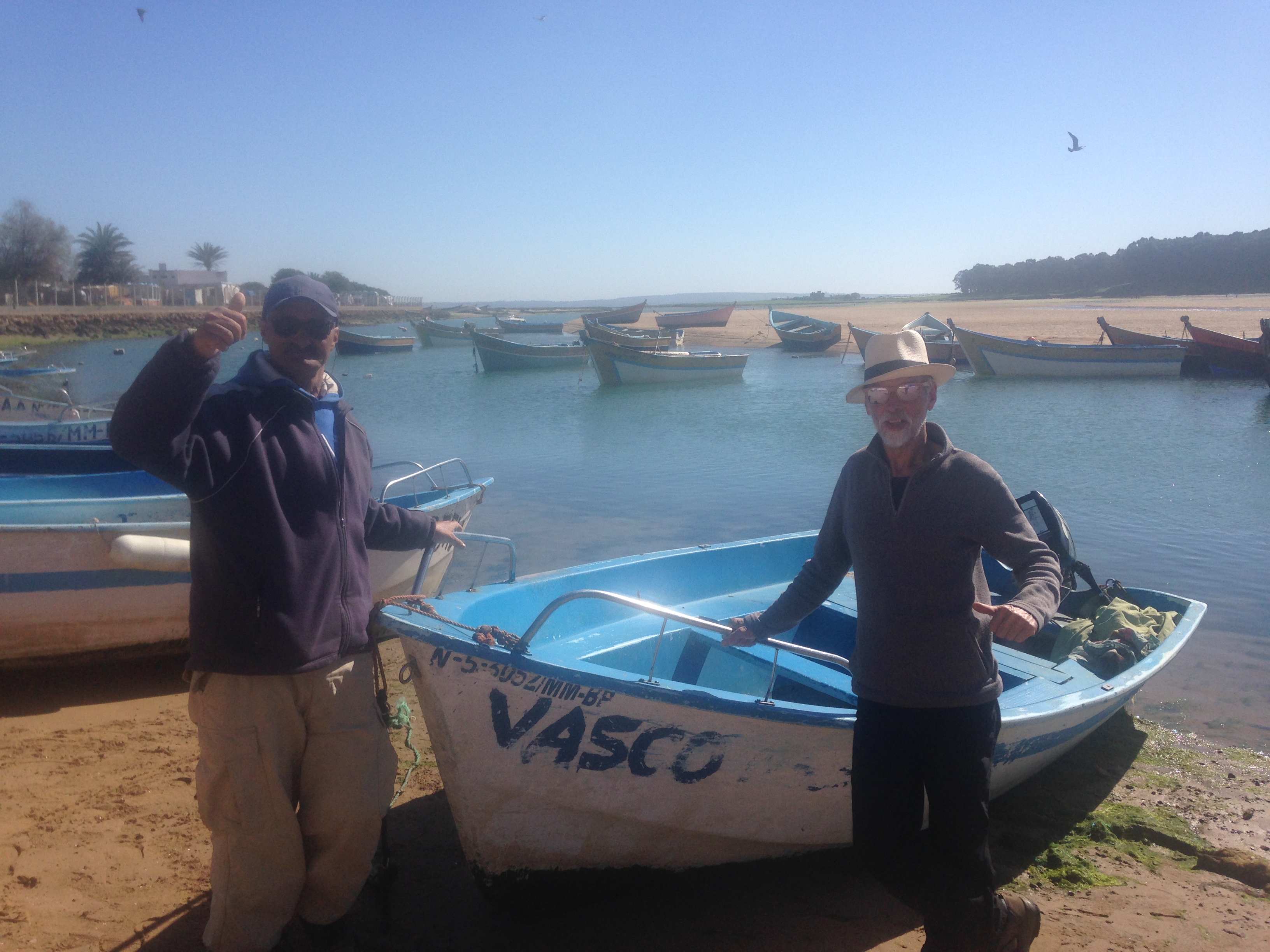
The moment our little tent was up and filled with our bedding, we were off. The sight that greeted us as we strolled the one minute from our tent to the shore, was of sparkling blue and and glistening damp, golden sand, with red parasols dotted about. Yellow striped boats were coming and going and some had been hauled safely onto the shore. A large gang of rowdy gulls were wheeling about, crazily screaming at each other and fighting any bird that had so much as a scrap of food. A great number of people had gathered under the parasols, some were stooped and deep in conversation, others were milling about. Everyone was here for one purpose, the buying and selling of the freshly landed fish. Boxes and buckets of fish arrived with every little boat that made it’s way into this stunning safe haven. The surf, about a convoluted, sand-barred mile away, was clearly in an aggressive mood and yet these tiny boats are perfectly able to cope. They are a design classic. Their high, curved bows punch their way through the breakers as they leave the safety of the lagoon and then ride the waves, pell-mell, towards the strait that joins the two bodies of water. There is a rip area that appears from time to time; lucky the crew that catches the tide at this time, as the waves part allowing an easy channel from the breakpoint to the lagoon entrance. The large outboard engines easily power the little craft up onto the plane and they zip over the water as if weightless. I’ve never wanted a boat more then I want one of these.

A diverse range of fish was landed. We saw sharks; four feet long, tiny pilchards and all sizes in between. Shell fish were also present in high numbers.

A couple of sharks, to be purchased right here on the beach by any passer by, or taken to the fish auction behind the beach.

We needed to get out on the water, and with no boat, we had no choice but to hire.

The local, surf riding, wave punching, sea going craft. All you need add is an outboard and courage.

Having pottered around the little town, where a market sold everything you could possibly need; please note, I did not say want. As in Fes there were eels for sale, seemingly a commonly available food source . The sight of eels on sale surprised me as these European Eels (Anguilla Anguilla) are in massive decline in the UK, becoming a red list species. They were sold for eating, both as glass eels and chopped up adults. We sauntered back towards our campsite and were accosted by a chap who was keen for us to take a boat ride around the lagoon to see the flamingos. Sounded good to us and a couple of days later we joined our guide for a nautical treat.

Our guide to the wildlife and work life on the lagoon.

We set off in late afternoon in order to make the most of the tide, and I suspect, to allow some of the frenetic water traffic to subside. Bird life was evident immediately, Sandwich Terns and Mediterranean Gulls were present in large numbers on the sandbars, along with the usual range of other gulls.

Mainly Spoonbills in this fuzzy shot.

It is a big lagoon, with almost every part of the terra semi-firma worked by people. A scene reminiscent of old travel accounts unfolded as we pushed deeper into the furthest recesses. Territories were haphazardly observed by the inhabitant wildlife, Spoonbills worked alongside Little and Great Egrets and Heron, with Cormorants holding their own court in another area. Flamingos shimmered, pom-pom like, above ground level in the miraged distance. People had their work zones, where whimbrel, curlew, Redlegs and Turnstones padded about amongst them, wary, but keenly sharing the hunting grounds.

A few Little and Great Egrets

The people bent to their work, which was varied according to their prey. All were muddy and wet and pursuing their tasks relentlessly. Drag nets and eel nets were in use in the water and on the land, as were draw hoes, mattocks, forks and bare hands. I could not grasp the sheer scale of the plundering that must go on here, by both the wildlife and the people. And yet this shimmering, monochrome landscape appears to support both colonies. It doe not seem possible.

People digging for bait

Overhead Golden Plover repeated flashed silver then dark as they careened about the sky in a roller coaster gangs’ day out. An Osprey tantalised us with a distant flypast. Then a Hen harrier, and a Marsh Harrier followed by that Osprey agin, this time languorously wafting low and slow over us, making sure we could not miss a single detail; this was not a moment for a pair of binoculars, or breathing. Time stood still.

At about £30 for the two of us, the boat trip was expensive for a Moroccan excursion, but well worth it. The journey lasted a couple of hours and our guide offered us binoculars and he had a couple of English language guide books, but no Collins Guide. If we pass this way again, I’ll gift them a few Collins Guides, as the boat handlers are all keen birders, spending moments with their binoculars up to their eyes, enjoying, what to them is an everyday experience.

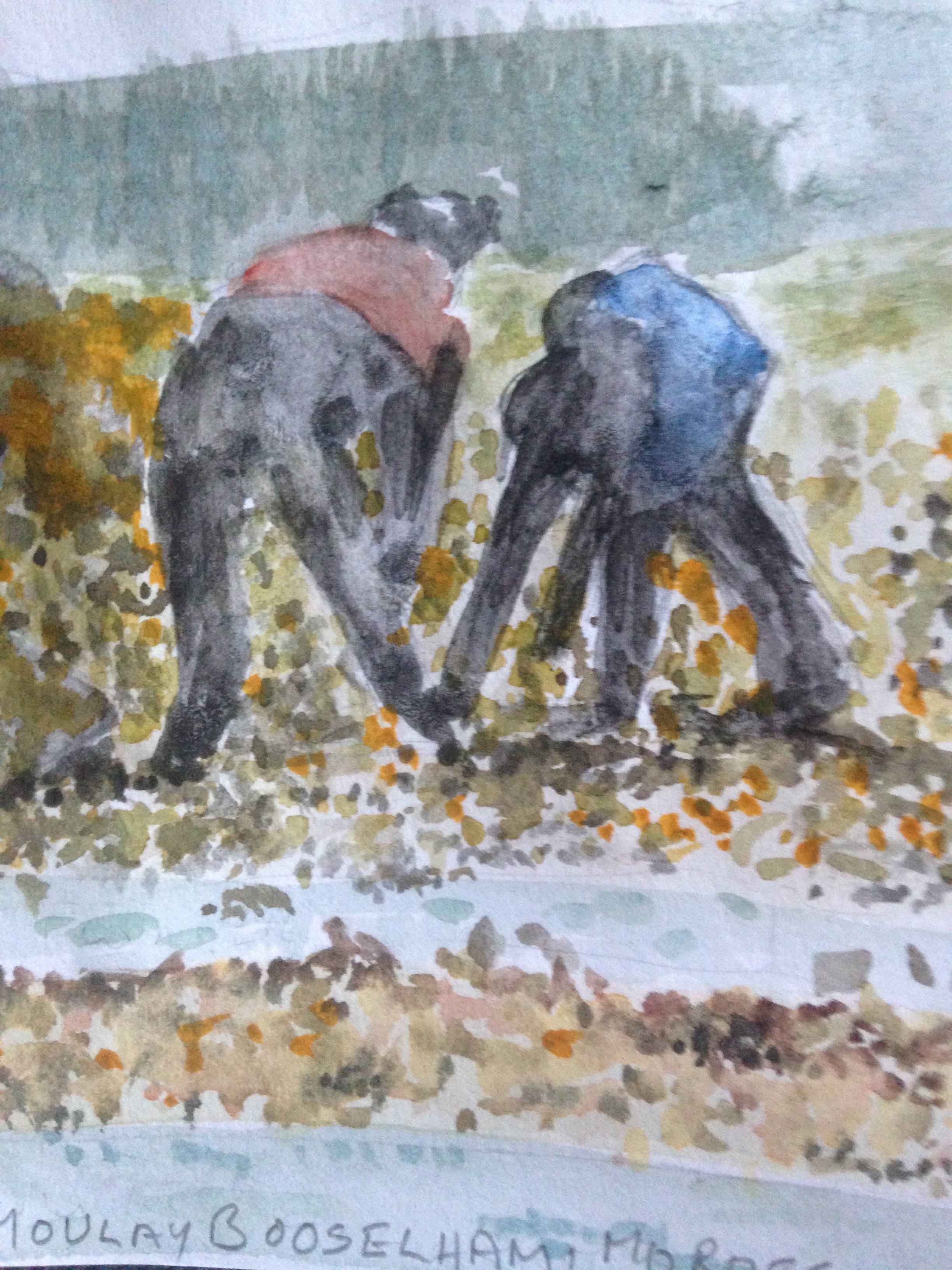
Shell fish pickers.

In terms of wildlife, we did not see anything that was new to us. What we did see was something so achingly gorgeous, as a visual spectacle, and raw in witness, to the extraordinary lengths people will go to in order to live decent lives: and that has to be worth £15 of the boundless wealth of any Northern European. 

Fes

Fes, 3 cities in 1

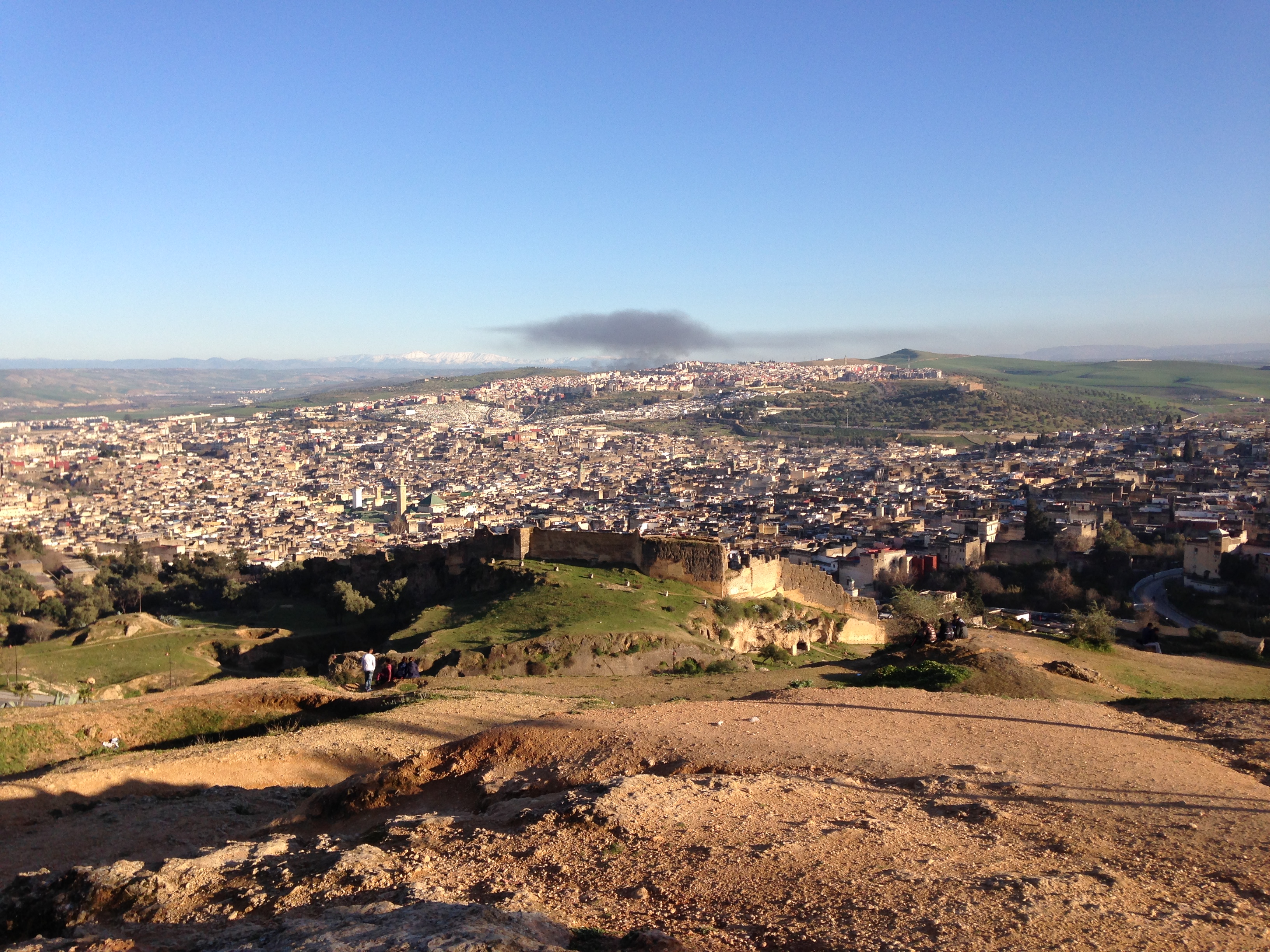
From the high ground to the north of the medina the three cities of Fes can be seen. The University area with its’ rash of cranes and building projects, modern football stadium and new, free access, teaching hospital. The ultra modern business zone, a glass and concrete crenelated skyline. Finally the old city, with it’s Medina, like a dull pimple, barely rising from the sprawling town, looking like the contents of an enormous bag of so many white and earthy coloured Lego bricks dropped onto the valley floor by a careless child. The boundaries between dwellings are indistinct; the narrow passages separating them indiscernible from this distance.

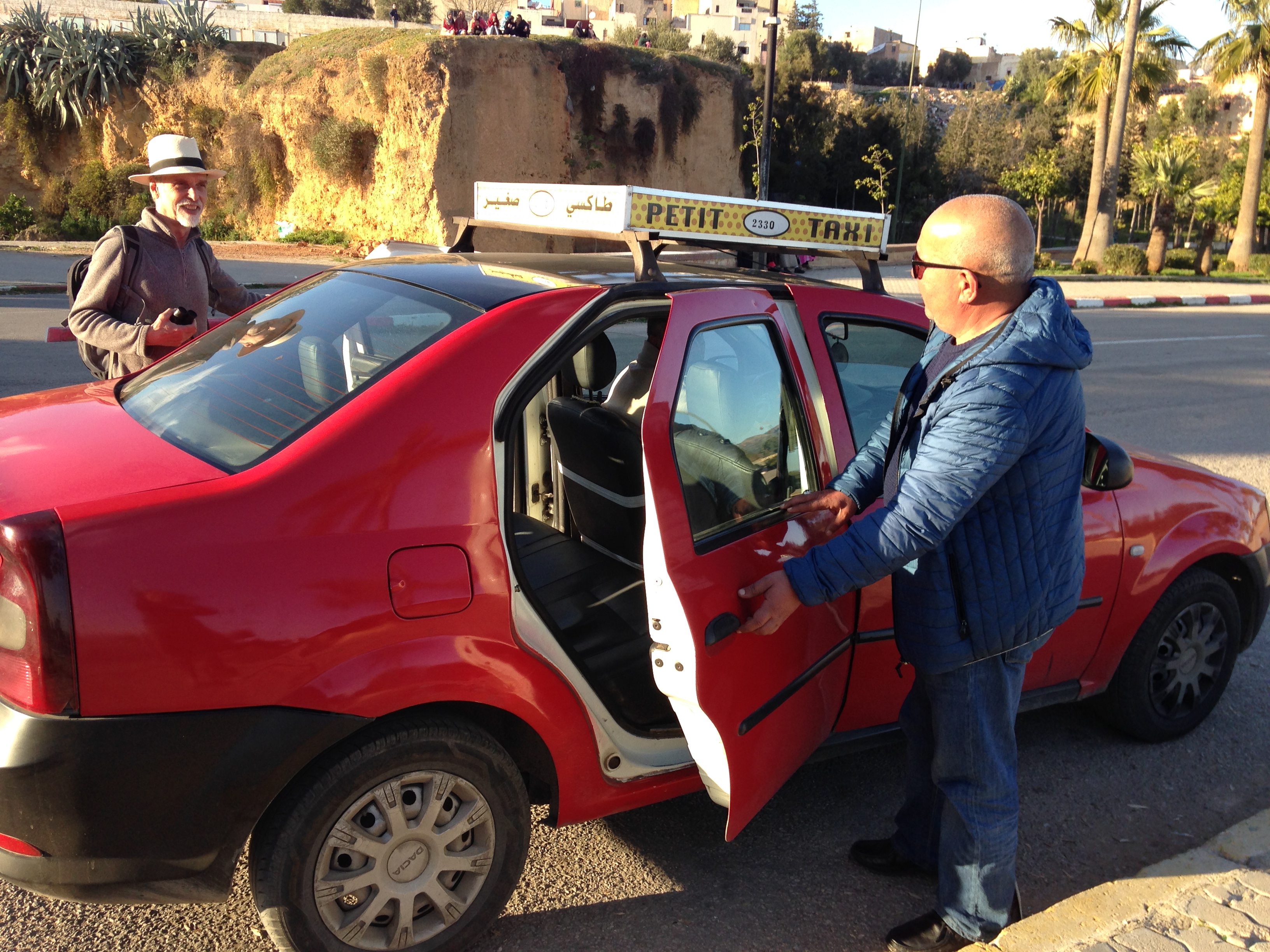
Every city has it’s own colour for it’s Petite Taxis: todays’ taxi is red, so we must be in FES.

As with most cities the dominant sound is that of the traffic, a constant drone punctuated by the horns of ‘Petite Taxis’, scooters and 3 wheel delivery pick-ups, each demanding right of passage through the tight streets surrounding the medina. Several times during the day an indistinct hum may be heard a sound that slowly builds until the chants of individual performers can be divined. Each voice, distorted by crude electronics, and by ageing vocal powers, joins a cacophony of chanting. These 5 or 10 second wailing phrases, each snapped at the end, are followed shortly after, by the next mournful cry. The effect, heard from a distance, is quite powerful, almost threatening, it commands your attention and draws you to it.

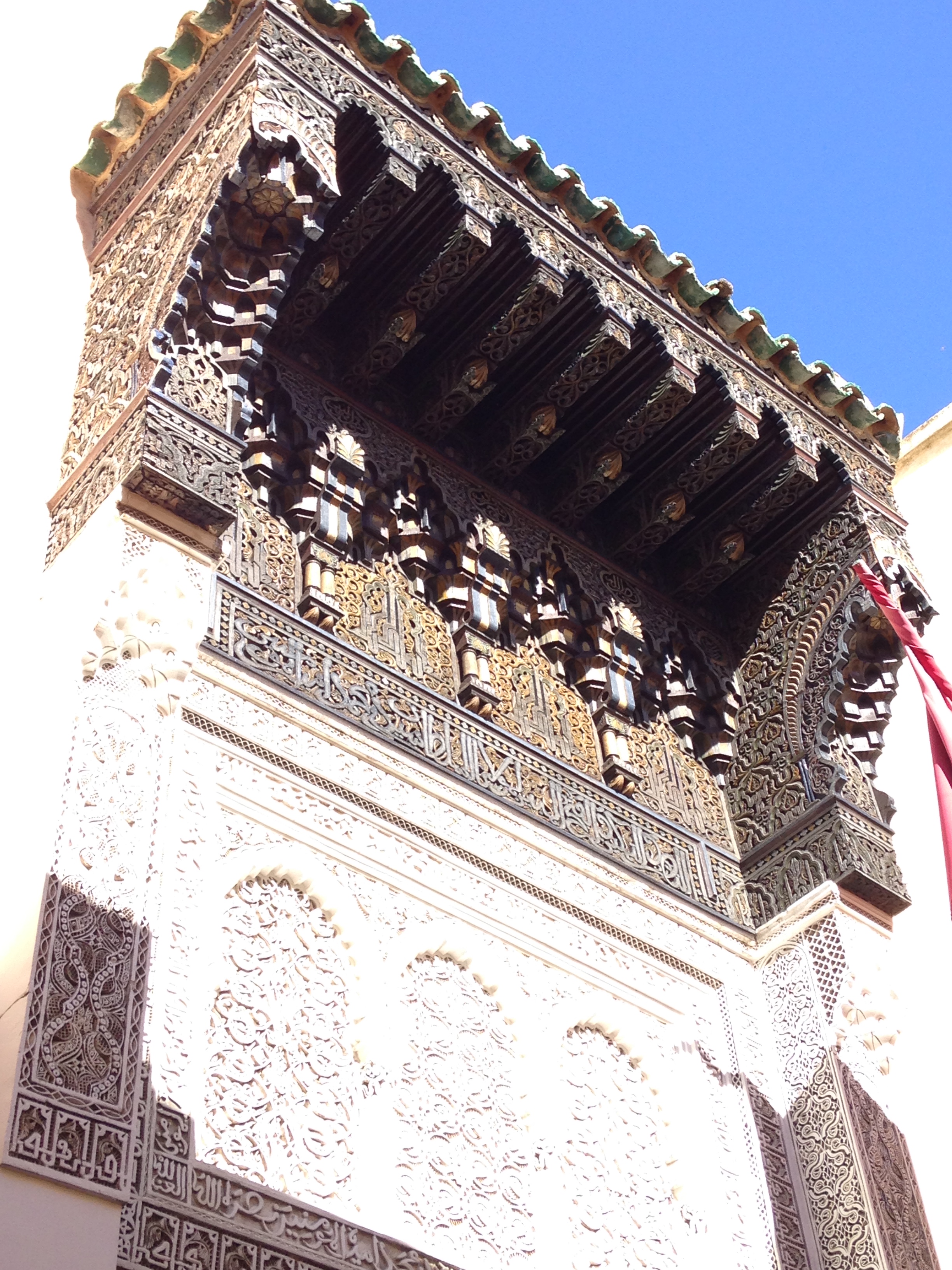
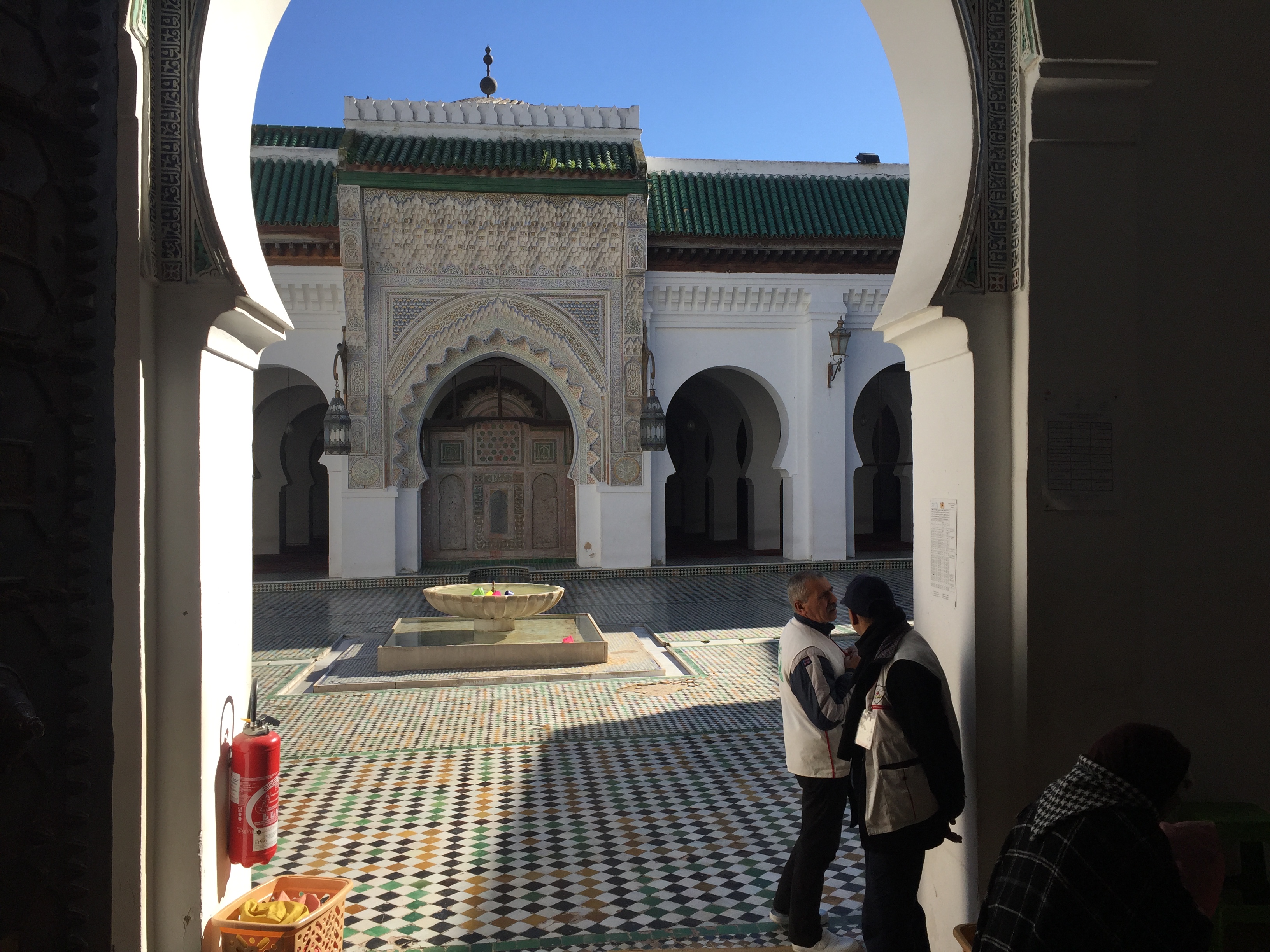
This monumental gate, built in AD 1204, leads into Al Andalus Mosque, built in AD859.

Like other Moroccan cities, Fes has a heart bounded by gates and walls, the limits of the Medina, that powered vehicles do not transgress.

A gateway into the Medina. No powered vehicles beyond this point.

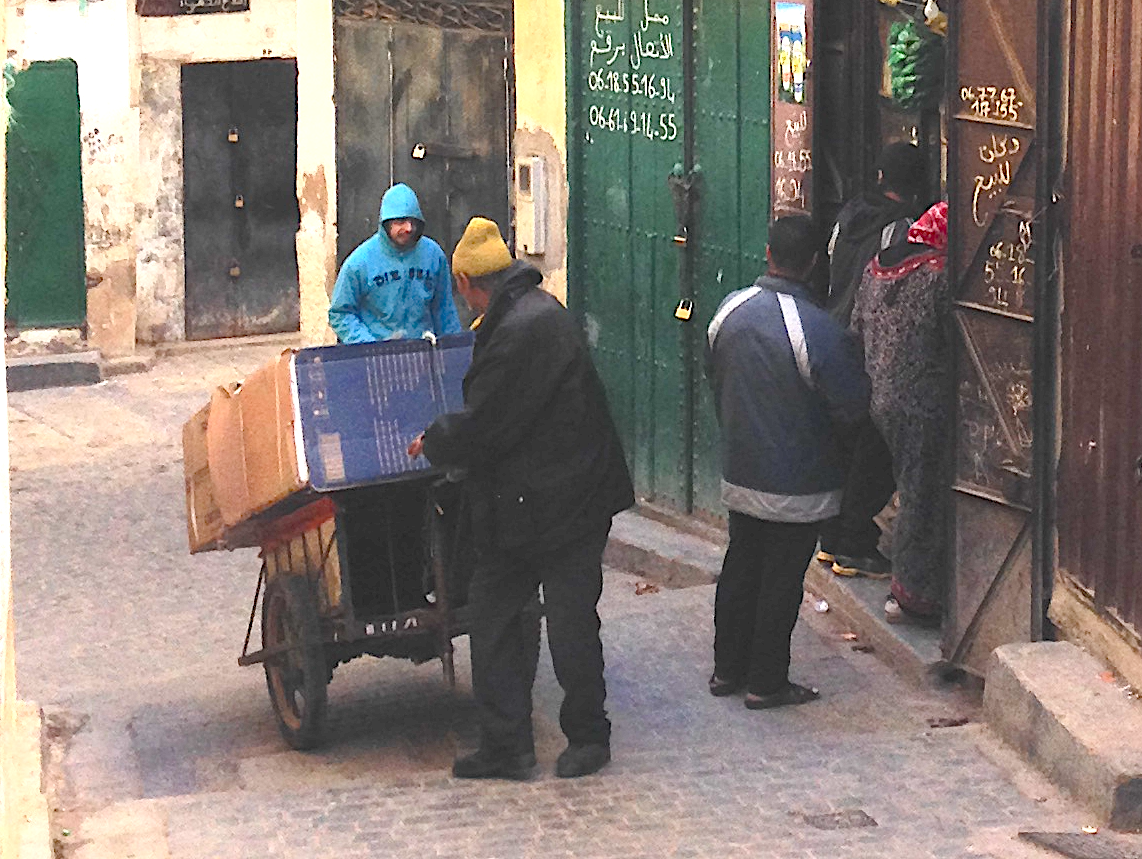
Handcarts and donkeys are the trucks of the Medina, steadfastly moving through the tightly crowded alleyways, stoically unfazed by the oppressive crush that is their daily lot.

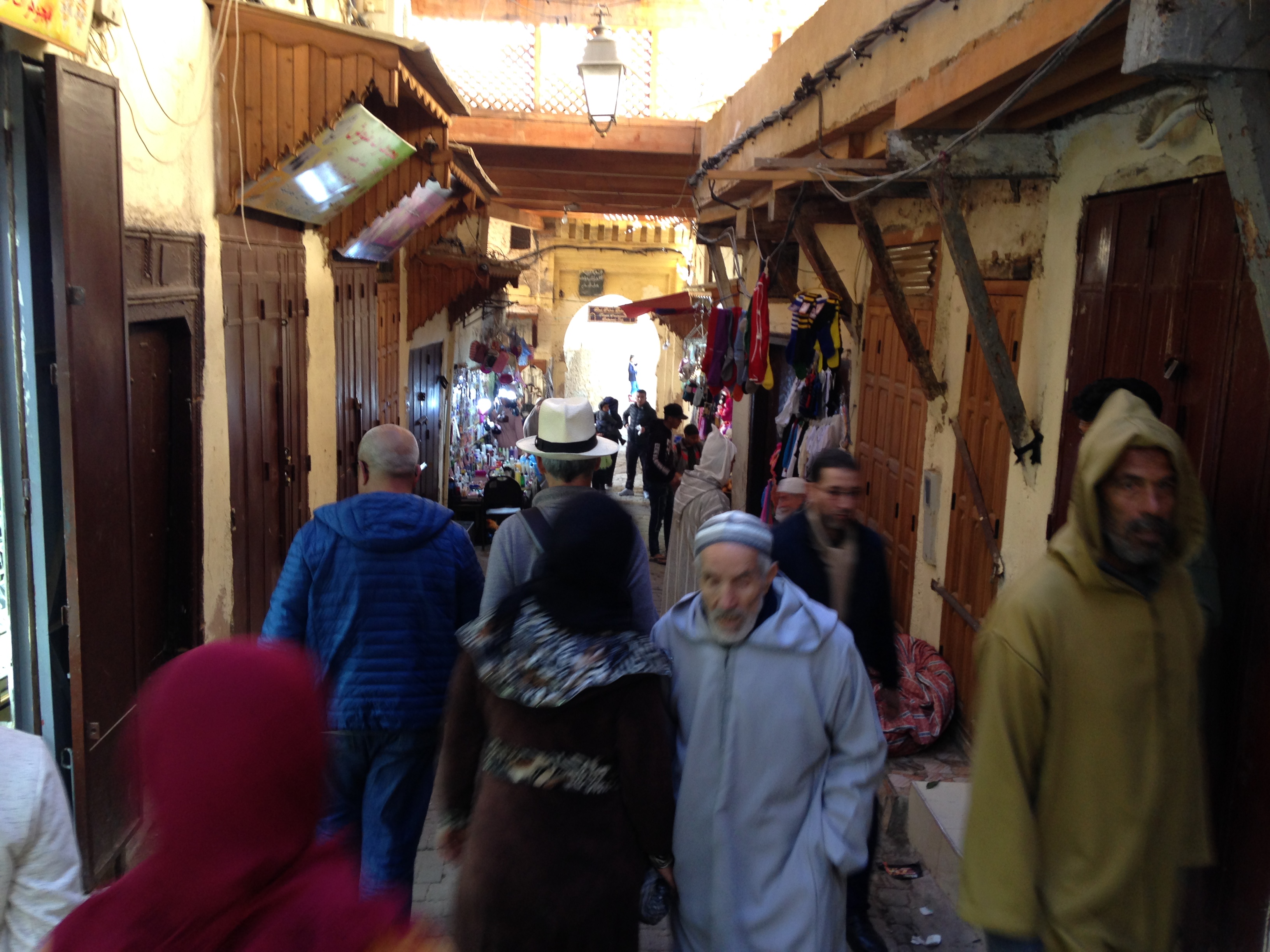
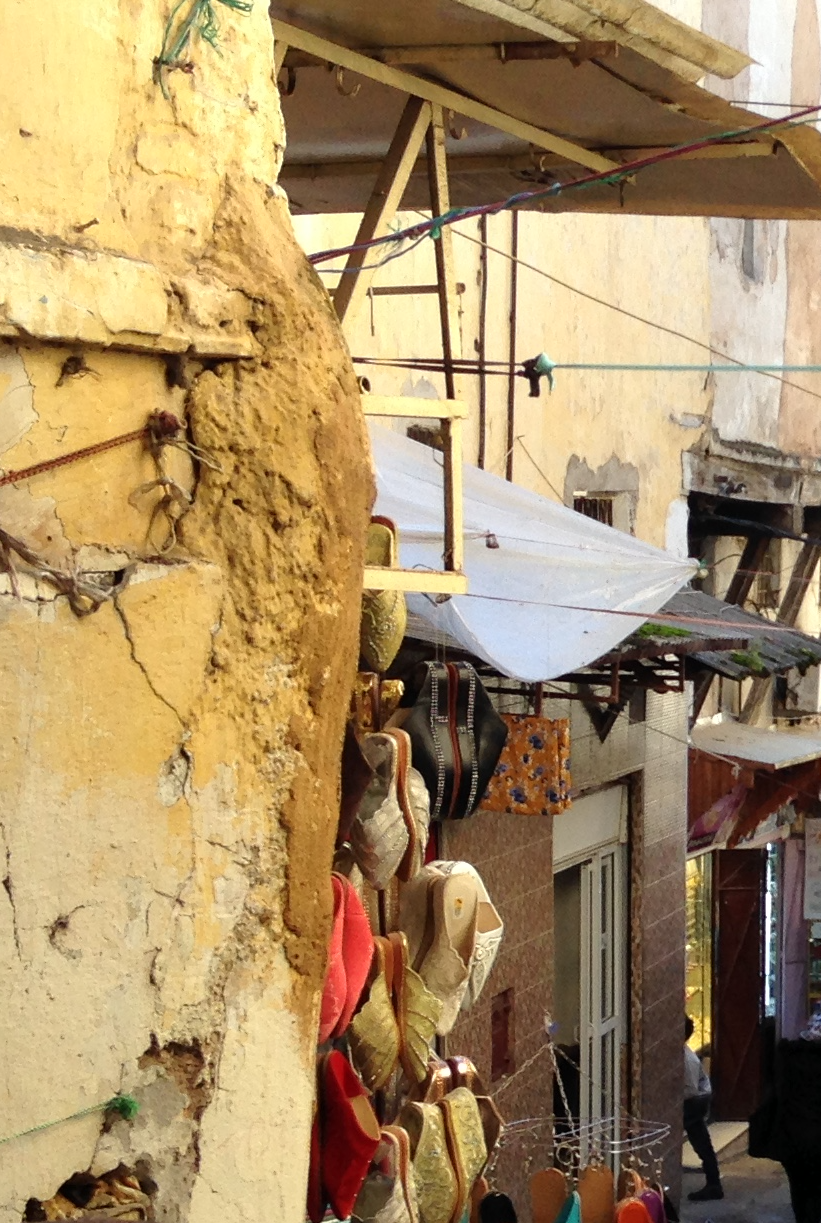
This is the domain of the artisan and the retailer. Nobody is still. Any person entering the ancient Medina is preordained to make, sell or buy something. If you are not there for one of these functions, then you will be out of place. No matter why any person thinks they are coming to the Medina, if they are not earning their living there, then they will be there to spend their money.

Every nook and cranny, within the Medina, uninvolved in direct selling, is taken by people who are turning raw materials into sellable items. There are chickens kept on the upper floors of an old ‘inn’, which was used in ancient times by camel caravans. Originally the downstairs was used to stable the camels and is now used for the sale of animal feed, much of which is bought by the chicken ‘farmers’ and the donkey truckers. The upstairs bedrooms, once occupied by the camel drivers, is where the chickens now roost. They are sold in the Medina as live meat, once their egg production has dropped off.

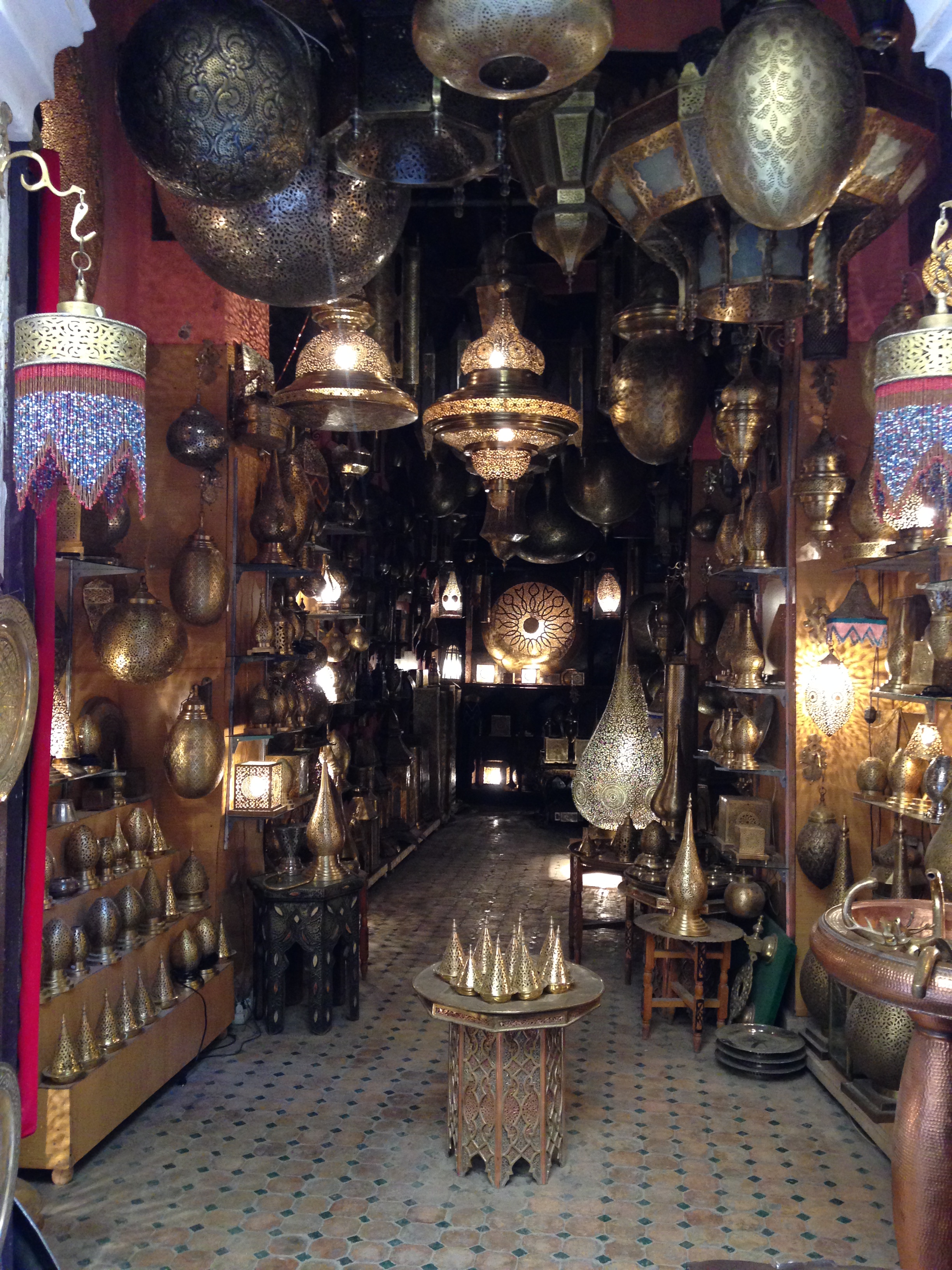
The finished brass lamps.

Another ‘inn’ is now used by artisans as light and sunny workshops, where the ubiquitous pierced brass lamps were being made in every shape and size by men sitting on the floor and using the simplest of hand tools. These inns are accessed through uncompromising narrow arches in otherwise blank walls. To poke your head through one of these entrances takes a certain amount of nerve; it feels like a transgression into a private area.

Passing from the alleyways into an ‘inn’ where peirced brassware was being made.

Once through the portal, a large semi-circular courtyard fans out, open to the sky, enclosed by a curved two story wreck of a building. There were a good number of these old ‘inns’ in the Medina and it was not difficult to imagine a long, heavily laden caravan of camels forcing its way between the dark, restrictive, walls to reach their stabling. Here the camels could rest and feed, whilst their drivers haggled for the best prices for the goods they had brought to the market.

All life can be found beyond the doors in the walls.

In the Medina every wall presented doors and behind every door, you could bet that there was a surprise in store. This miserable, dirty, crowded, shadowy place is, in fact, a sham. There is light to be found but, you need to know where to look for it; in the homes, ‘inns’ and mosques. The light is reserved for ordinary lives lived behind the doors that punctuate the dun coloured walls. People toil in the relative cool of the Medinas’ lanes, with the buying, selling and making all taking place in the intensely cool shade. People live and pray in the intense glare of sun light, which pours in through once open and now glazed roofs,. 

Looking through the open doors of a Mosque in the Medina. A haven of spotless space and light.

Fes is three cities in one and the Medina is two cities in one. Having visited both, Chefchaouen and Fes, the I could reflect on the age difference between the two cities, which is nearly 700 years, with Fes being the oldest. I cannot say that I liked ancient, darkly tanned, weather beaten Fes, shored up by it’s many wooden crutches with walls spragged by stout timbers.

No matter where you look in the Medina, buildings are propped.

I can say it was interesting and a world apart from the young, bright and undeniably pretty Chefchaouen, with it’s colourful buildings and much wider lanes and it’s youthful ability to stand up unaided. 

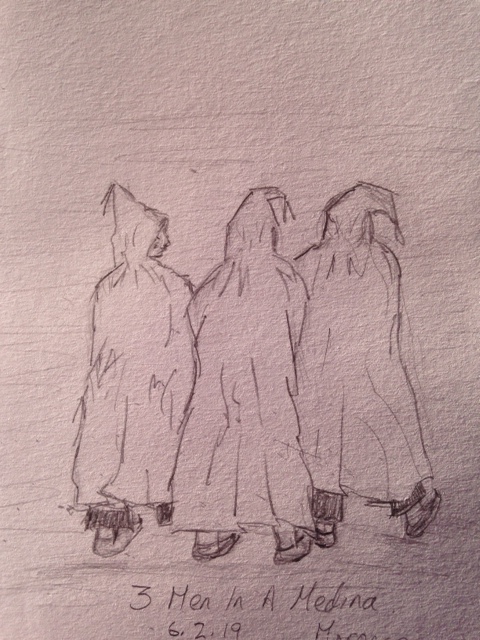
Traditional dress, worn by men, over their clothes. Underneath, often a smart suit and tie, other times … it was hard to tell; maybe nothing underneath.

Chefchaouen, The Blue City

Don’t miss the 3 and 2 minute videos towards the end of this page.

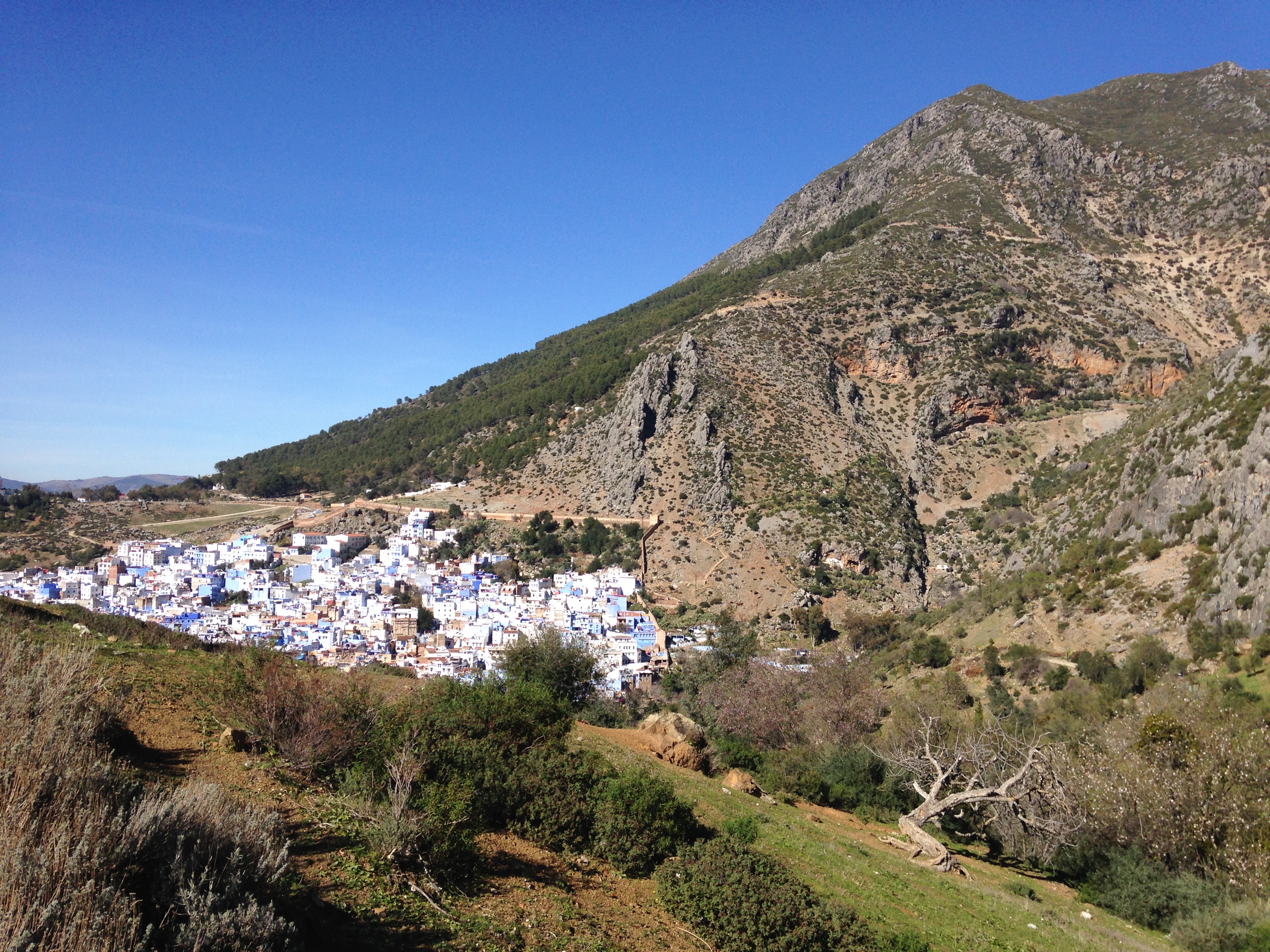
A nestling Chefchaouen with it’s city walls clinging to the Rift Mountainside.

Morocco is different to England. For some visitors, it can feel alien and intimidating, to others it’s more like a warm and welcoming bath. Often, the difference is down to your first real stop over. With any new country, you’ll want to ease yourself in gently and walk away with happy memories and Chefchaouen, the Blue City, lets you do this in spades.

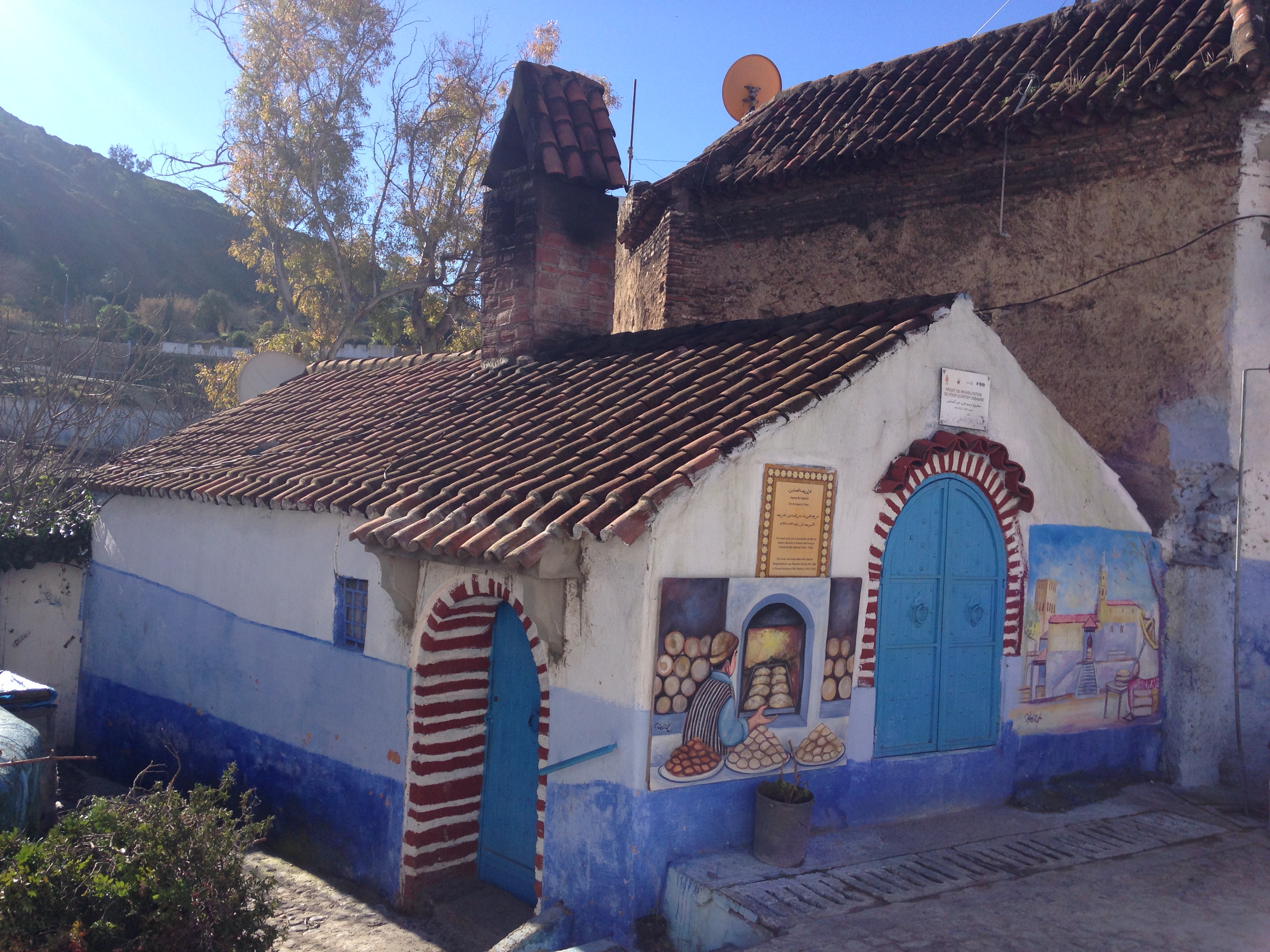
Our Local Bakery

As the town is in the north of the country, a shortish road trip from the ferry port of Tangier Med, it made sense for us to try it as our first encounter with an African way of life.

Swimming In A City Of Blue

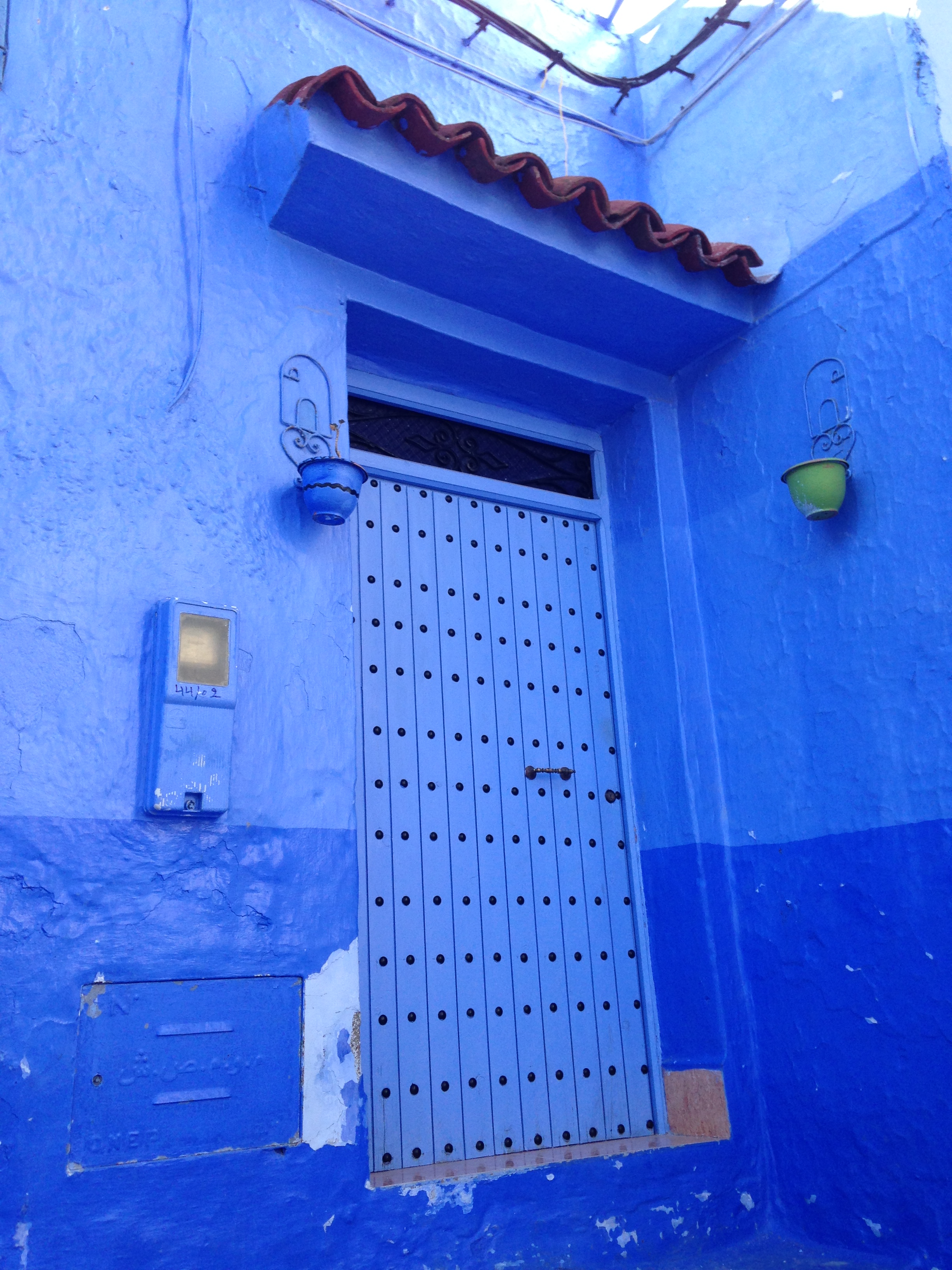
Why is the ‘Blue City’ blue? Some say the mosquitoes do not like the colour, or that it was to do with the Jewish population here? We were given these and any number of reasons, which means that nobody really knows. I reckon a local simply painted their place blue and everyone thought it looked nice and copied it. Now the whole effect is a remarkable spectacle.

A Walk From The Top Of Chefchaouen To The Bottom Of The Medina

After three days here, we felt this place had slid under our skin. It’s quiet serenity and lack of grasping touts and guides who, elsewhere won’t leave you alone for a moment, makes it a rarity as a Moroccan tourist trap. There were other visitors here, a mass of Chinese people, who were making the most of the Chinese new year break and heading to a country that welcomes them and their money with open arms. Chefchaouen’s main square had been decked out with Chinese lanterns to honour these high rollers. It made for a fascinating juxtaposition of cultures.

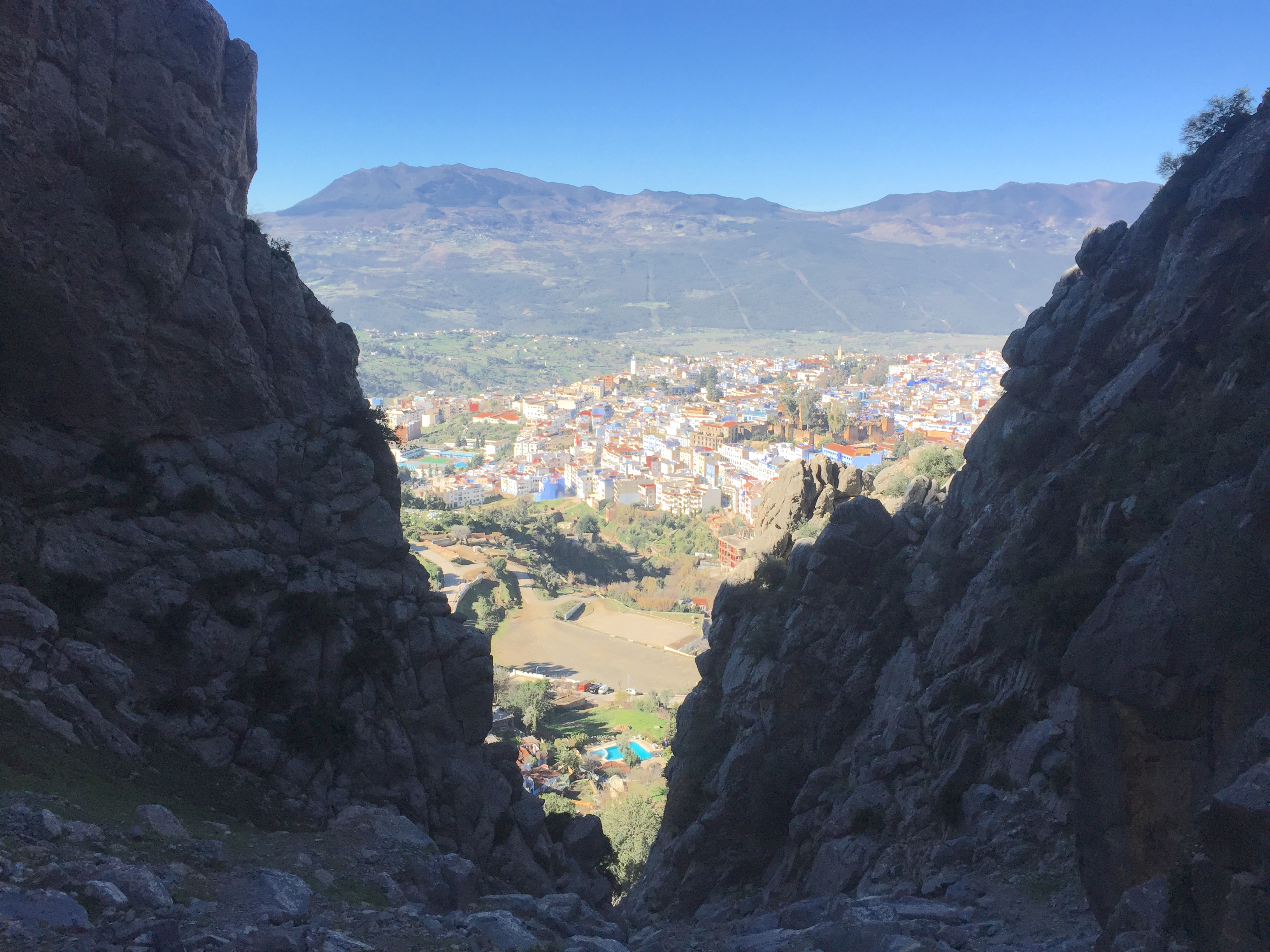
If, like us, you like nothing more than a bracing jog up a mountain, step right up, because this area is bounded on one side by he Rift Mountain range, which tops out at a respectable 2000m. The rugged peaks that run alongside the town are somewhat lower, similar in height and feel to the Snowdon range. We did not actually jog, but we did hike up one of the many obvious paths and admire the town as it snuggled in tight to the lower slopes.

We can’t recommend this town and the French owners of our gorgeous, simple hotel highly enough.

A Stroll Through The Dah Dahlia Hotel

Start your Moroccan journey here and you’ll want to keep going and see much more of this country.

Typical Chefchaouen Alley