Prehistoric Cave Paintings

EASTERN SPAIN HOSTS A GIANT UNESCO WORLD HERITAGE SITE.

Three winters ago, when we first crawled our sorry way into this small patch of Spain, it was with the sole aim of escaping a family bereavement. We felt a desperate need to focus on things new and to stare into the future. We were, frankly, too emotionally frazzled to make any detailed plans. We drove around the area, looking. No map, no focus, no joy. It felt better to be mentally and physically detached in a distant land, than at home with the confusion, hurt and unanswered questions that haunted all concerned.

There is something primeval about the ‘fight or flight’ reaction to life and death situations. We could not bring ourselves to fight over the causes of our horrible situation. We chose flight. Others did the same. Some like us took a break, others simply shut it all out, mentally. Luckily humans are blessed with a very old piece of brain, the amygdala, which drives our basic emotions. We had slipped into a primitive mental state, driven by how we felt, we drove as far away from what was harming us as possible.

We landed up in Spain, near a place called Denia and booked into a local campsite, this was to be our base for a few weeks.
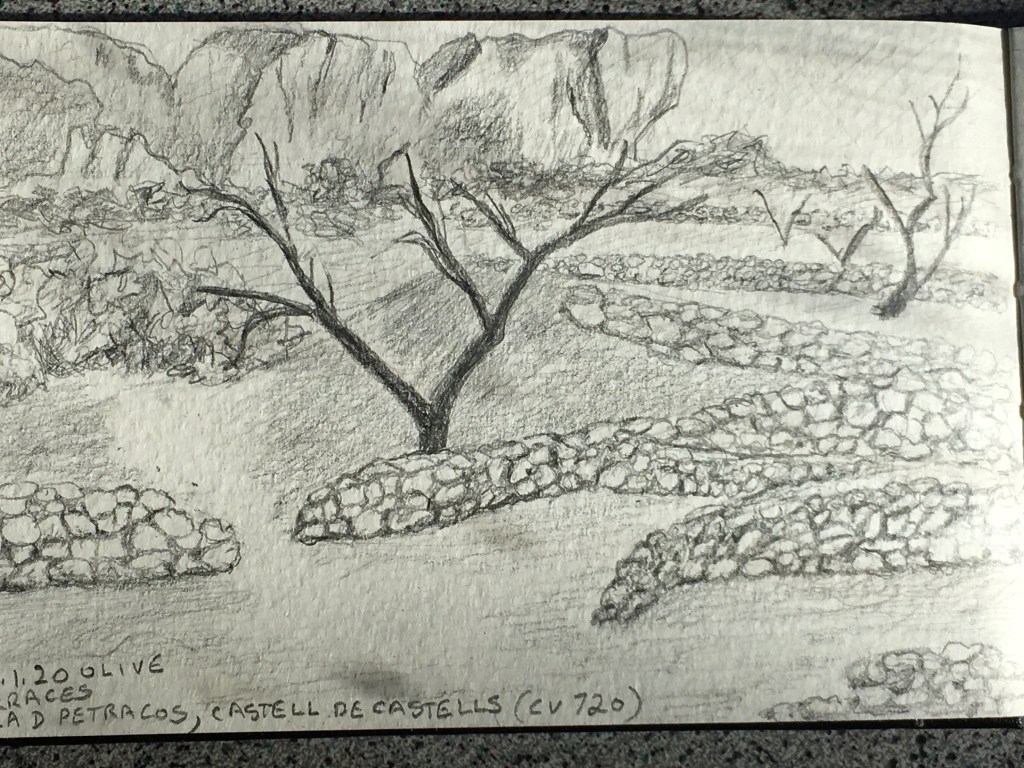
As we drifted around this ruggedly handsome region, we kept passing a simple road sign to prehistoric cave paintings. After the third passing, we decided that we should allow some time and take a look. Somehow it felt right to spend time with the long dead, it might help to unscramble our minds. Perhaps we might gain a new perspective on our situation.

We turned off the main road and headed into a deep valley; olive terraces in the valley bottom and towering cliff faces above. We were completely alone. With no information to guide us, we pulled over into a shabby lay-by and pondered our next move.
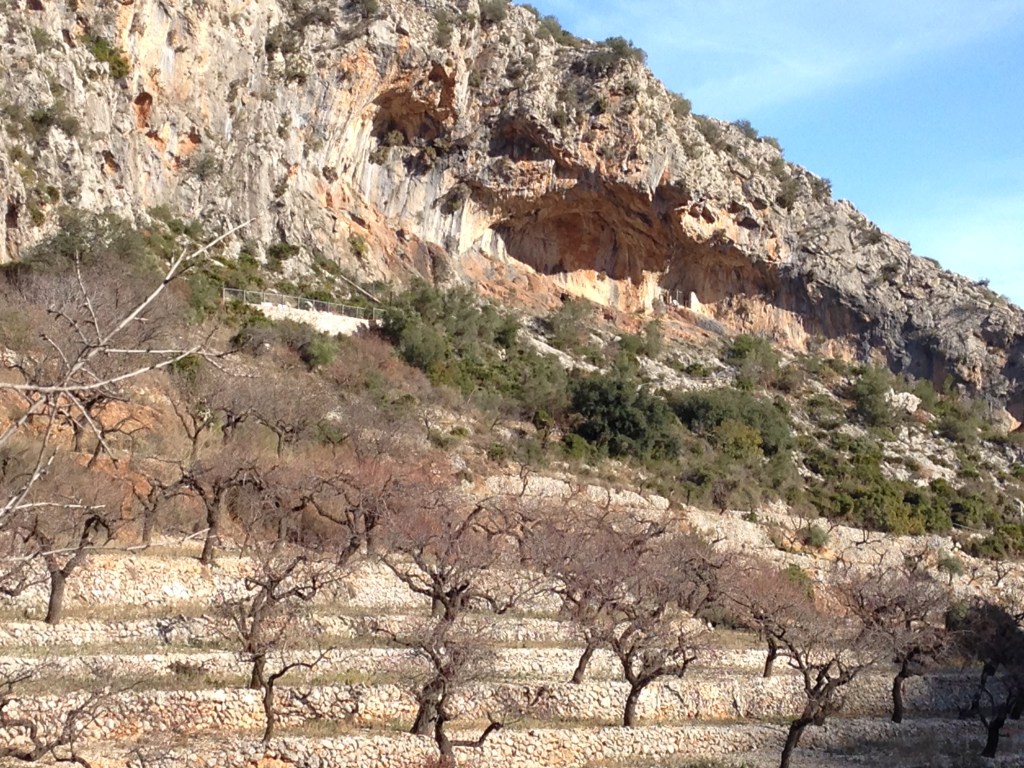
At first all we could see was rock. Masses of rock. It was everywhere. Every crag had huge orange bowls scooped out, where the grey rock face had eroded away. We could see caves too, where these cliffs had weathered even more.

Where do you begin to look? Where is the cave art?

As we grew accustomed to this landscape, we noticed the anomalies: fences running parallel to the cliff face and what looked like information boards. Thank goodness for binoculars.

Off we raced, keen to see this ancient form of art; to meet kindred souls. The rock art awaited us, as it had generations of people before us, for seven millenia.
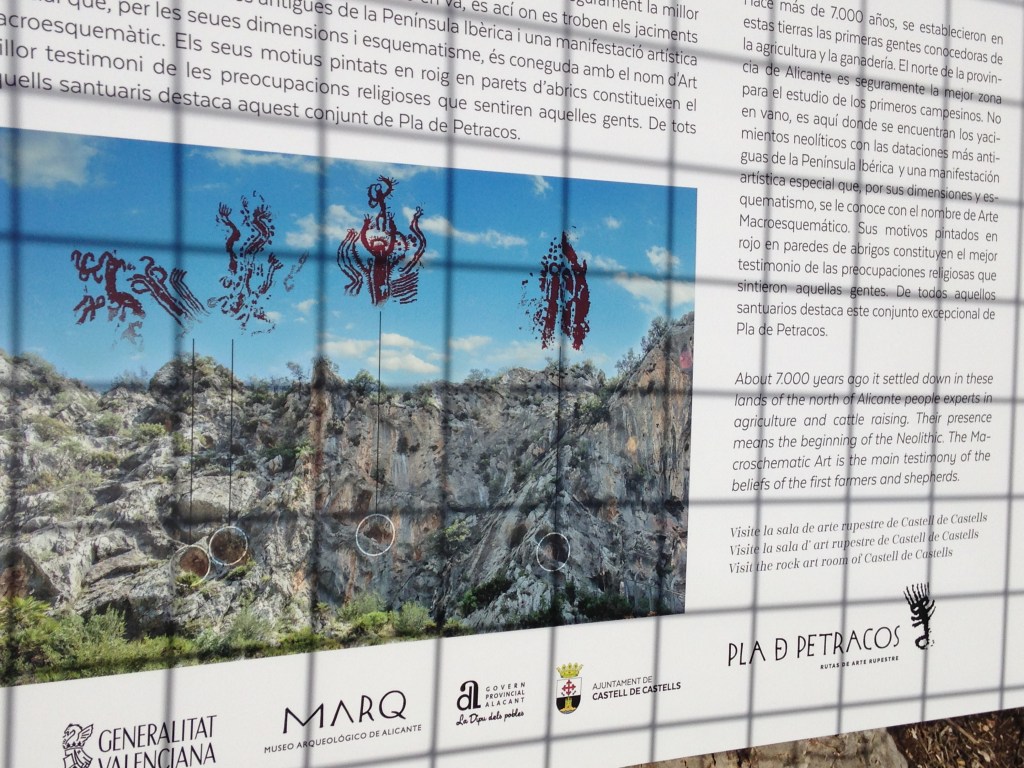
We made our way to the cliff face and found a good set of information boards. Then we set off along the path that runs along the cliff, near it’s rocky base, well above the farmland. But where were all these paintings?

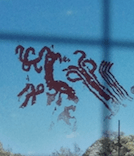
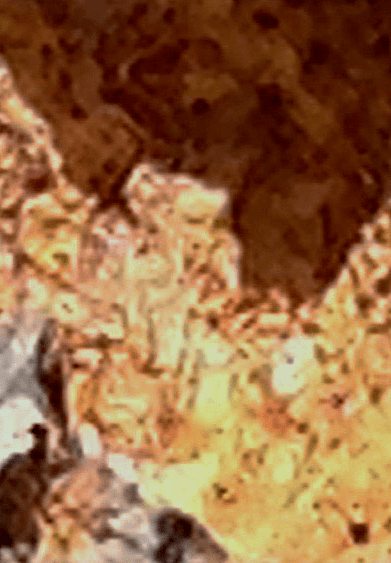
Once again, we had to allow time to adjust to the melee of detail that is this cliff. Only then did we begin to see the squiggles and lines that are picked out in a deeper orange in these shallow ochre bowls.
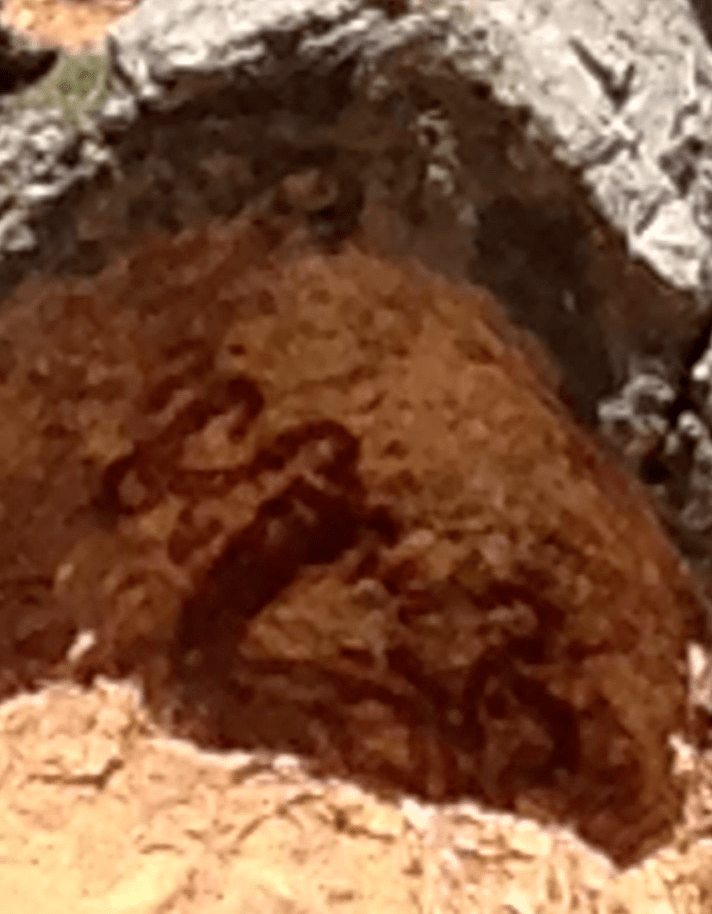
1. Notice board image
2. Cave artist’s image
2. Notice board image
1. Cave artist’s image

We saw a lot of art that day. It was high up and a mobile phone is not the very best camera.
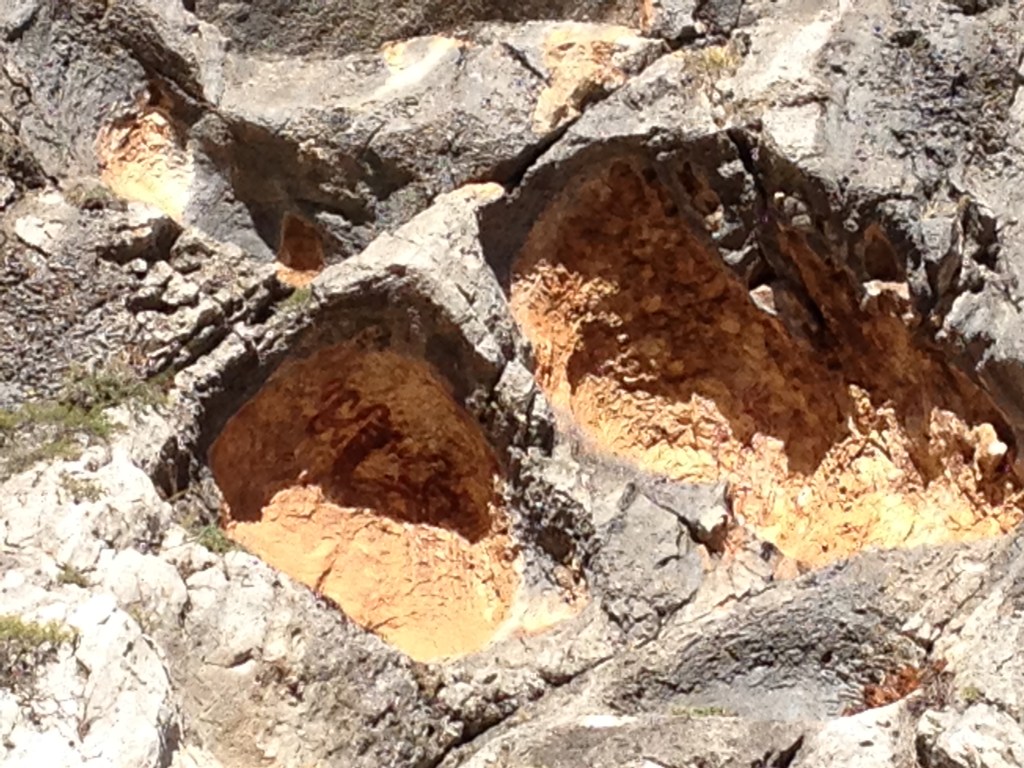
Those two images are side by side on the cliff face, as you can see, and some of this artwork is high up. Was there a path at the level of the paintings seven thousand years ago? I cannot imagine how folks would have accessed these places otherwise. So many questions are thrown up by this work. No matter how modern we think we are, we are no different to these people who lived here.

We continued to explore along the path finding big caves and stupendous overhangs.
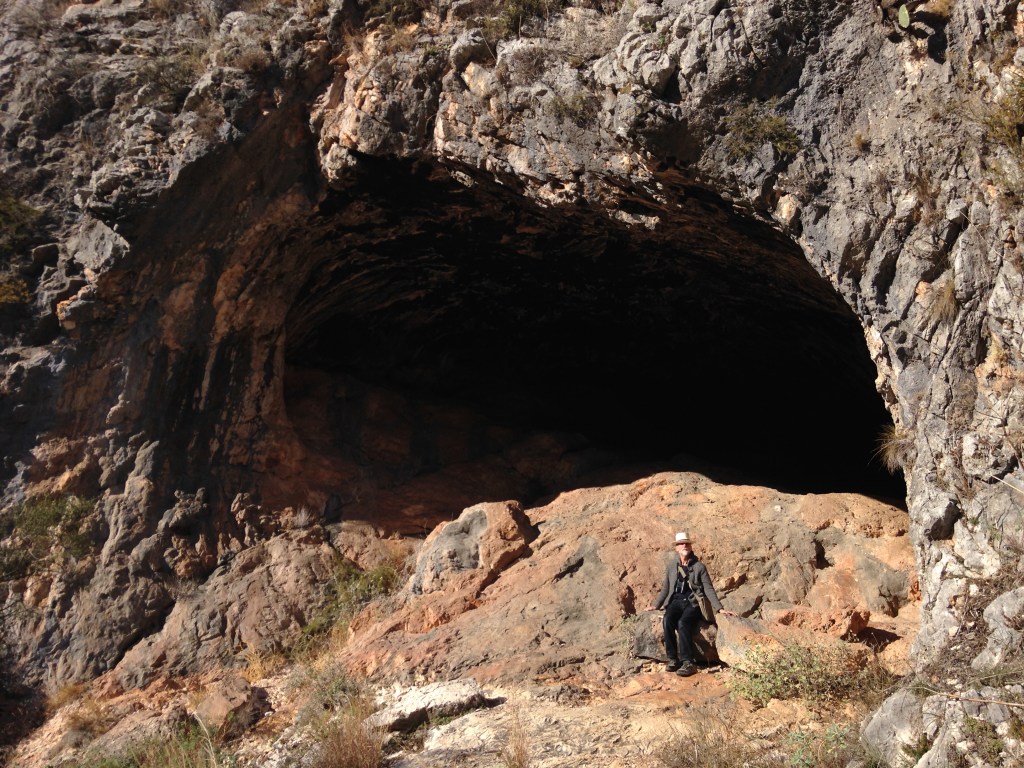
None of the caves show any sign of habitation. They may have been used for shelter.

We know very little about the many generations of people who have lived, loved, worked and fought in this grand valley. The images are almost all they have left behind for us to dwell upon. Many of the paintings would grace homes today; our aesthetic is no different. Seven thousand years ago these people, whether deliberately or unwittingly, left something for future generations to enjoy, on the simplest level and to try and understand. Perhaps that is the legacy everyone of us should strive for; the gift of something simple and pleasurable and, perhaps an enjoyable puzzle that keeps those that follow on after us guessing, just a little bit. This way, perhaps, we can make those who mourn us smile, despite the loss.

Pla De Petracos is about 6km North of the town of Castell de Castells on the CV-720. It does not cost a penny to walk the path, admire the art and read the signs. What an absolute bargain.

For more information about the Neolithic Spanish Cave paintings and their UNESO World Heritage Site status, click here.
We hope this article peaked your curiosity. Please let us know what you think of it by leaving a comment in the ‘reply’ box at the bottom of this page. Thank you from us Wallys. x

HOW TO BUTCHER AN OCTOPUS

Watch our fascinating video for a glimpse into an ancient skill that is still used daily in Spain.

Strange Fruit

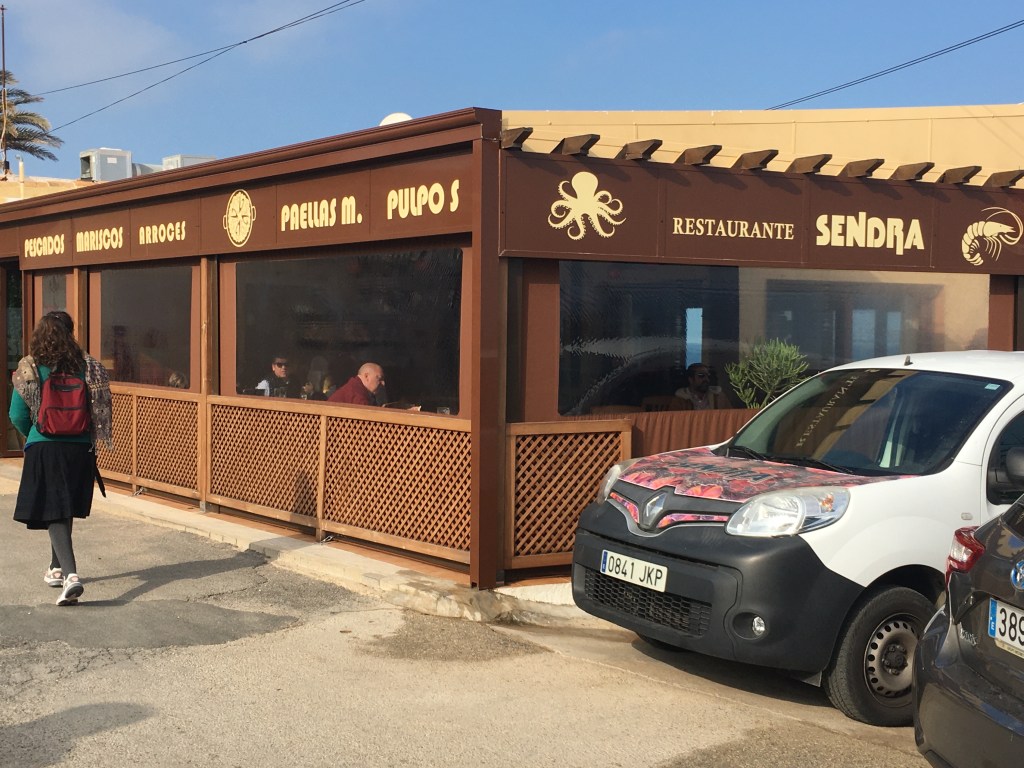
Rising stolidly out of the beach, with the waves often lapping at it’s walls, is the Restaurante Sendra. It is a Mecca for seafood lovers the world over, because it takes great care of it’s basic ingredient; seafood.

Restaurante Sendra rising out of the sea

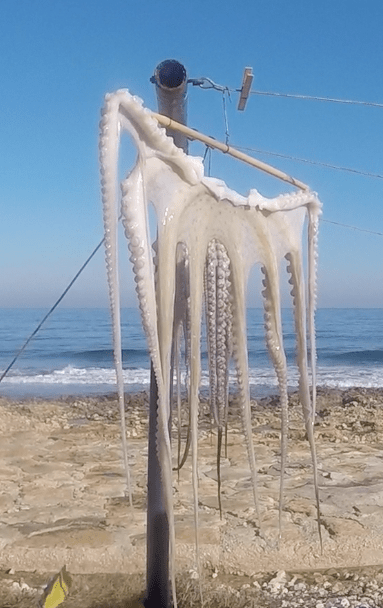
You know this place is special before you walk in. In fact you would be amazed if it were anything but the best. The translucent Octopuses hanging to dry on the beach and swaying in the fresh, salty sea air, is all the clue needed.

Octopuses drying in the Mediterranean Sun

We wanted to know a little more about the place and asked a member of staff if he would demonstrate how he prepares octopuses for drying. The result is the very short video below:-

How to butcher an octopus, an age old Mediterranean tradition.

So there you have it; Restaraunte Sendra may look a bit dull from the Rotes beach path, but it is well worth lingering over.

It may be a dull brown colour, but this restaurant is truly vibrant.

For more about the lives of Octopuses click this link.

If you have enjoyed this blog, please let us know by dropping us a line using the reply box at the bottom of this page. Thank you from The Wallys.

A DIFFERENT FESTIVAL EVERY MONTH

And all for free!

The people of Denia enjoy nothing better than to dress up, and throw a party for all comers.

Please enjoy the racket and weirdness of these, often, incomprehensible events, by watching our shaky video at the end of this piece.

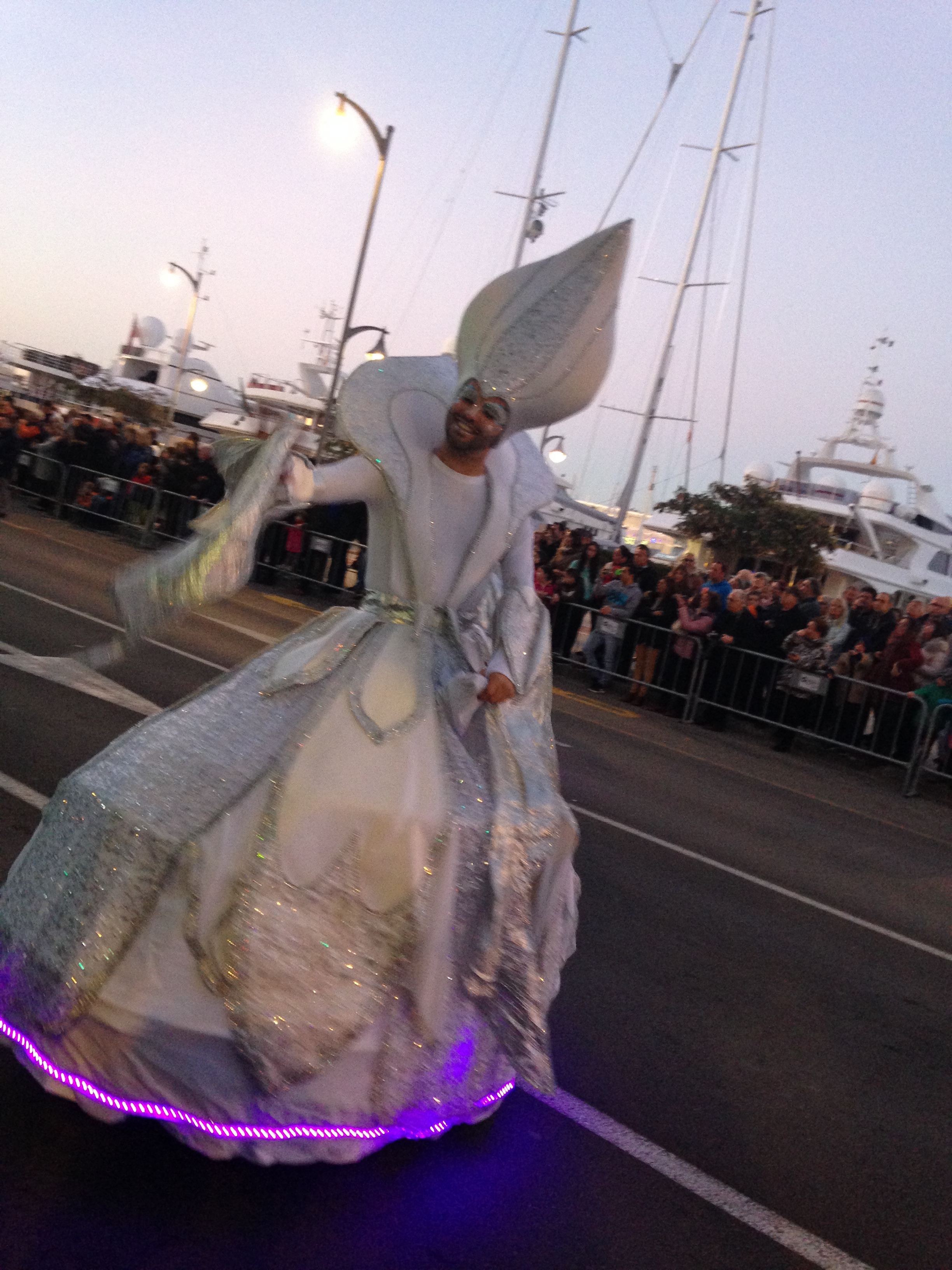
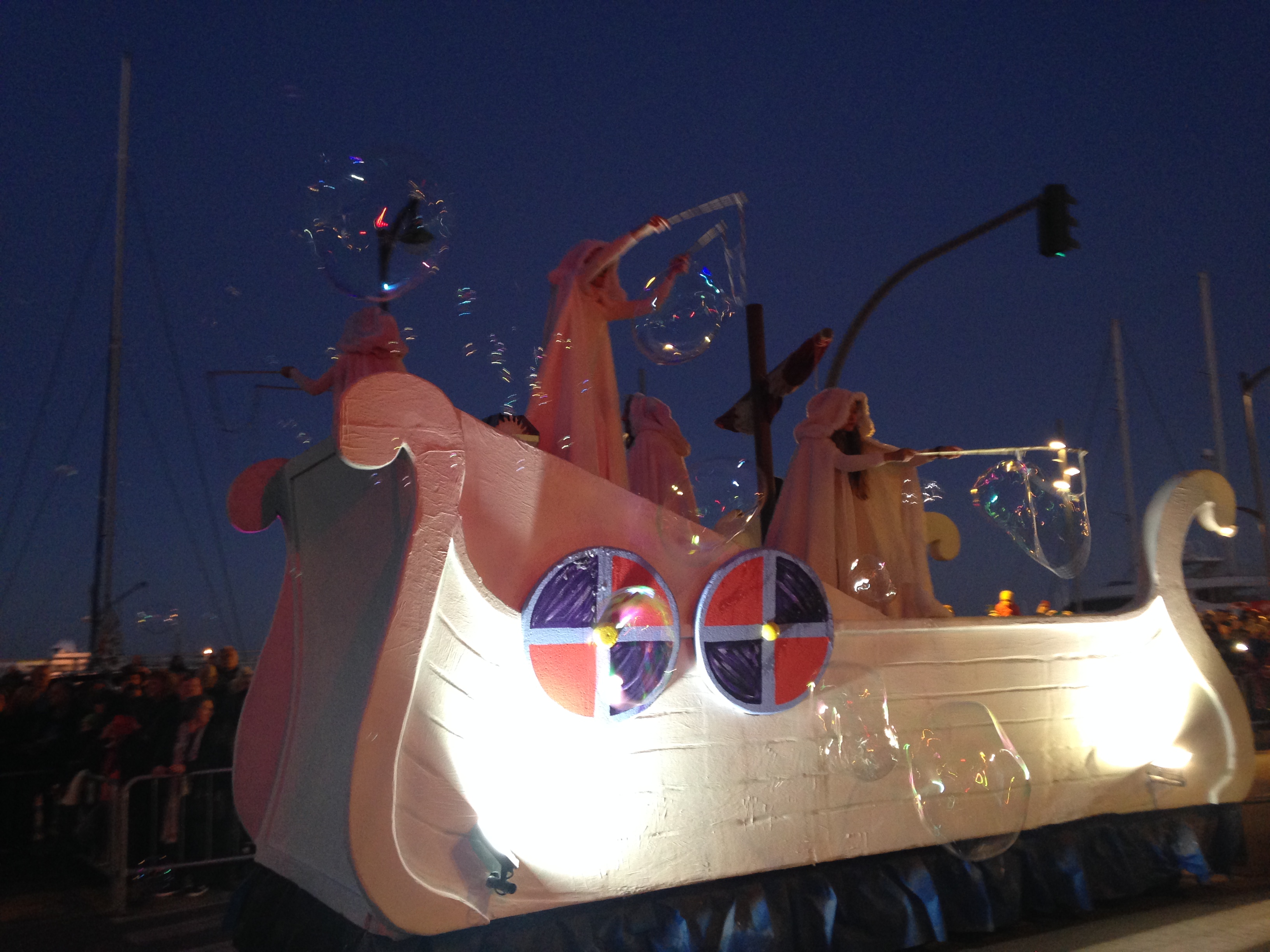
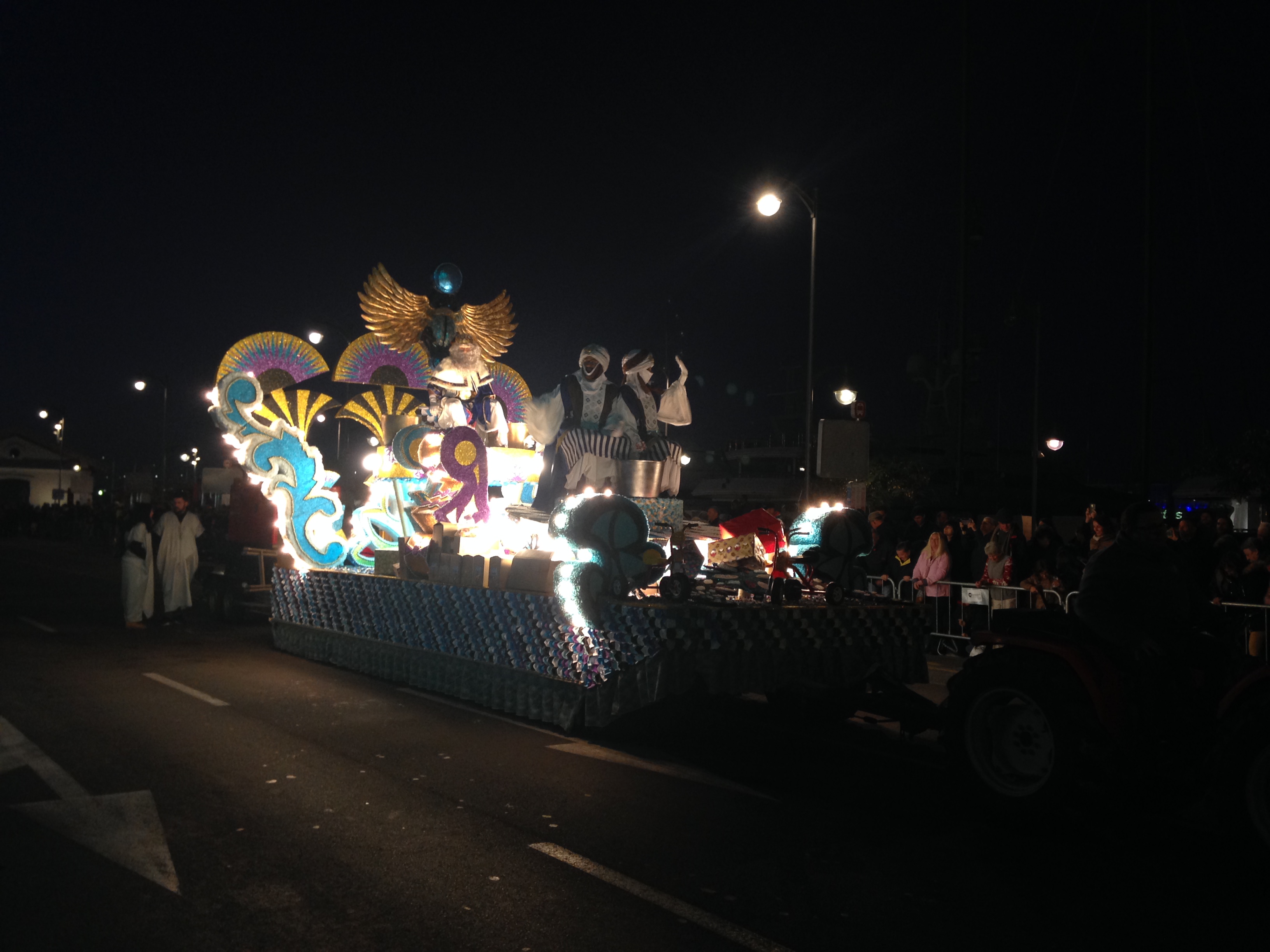
Three Kings Festival. The first, or maybe the second Sunday of January.

This festival celebrates the time the the Magi found the baby Christ in a manger and offered gifts. Each of The Three Kings, Balthasar, Melchior and Gaspar, is mounted on a be-throned float. The local children can identify and name each King, something we cannot do.

The Kings and their minions bombard any children they see, with huge amounts of boiled sweets which are gathered up with gusto and cries of “Aqui!”. These beaming children accumulate carrier bags full of sweets which they struggle to carry away. This year, we were told that the sweets have had to be a softer variety as hard sweets can hurt little children. That made us laugh.

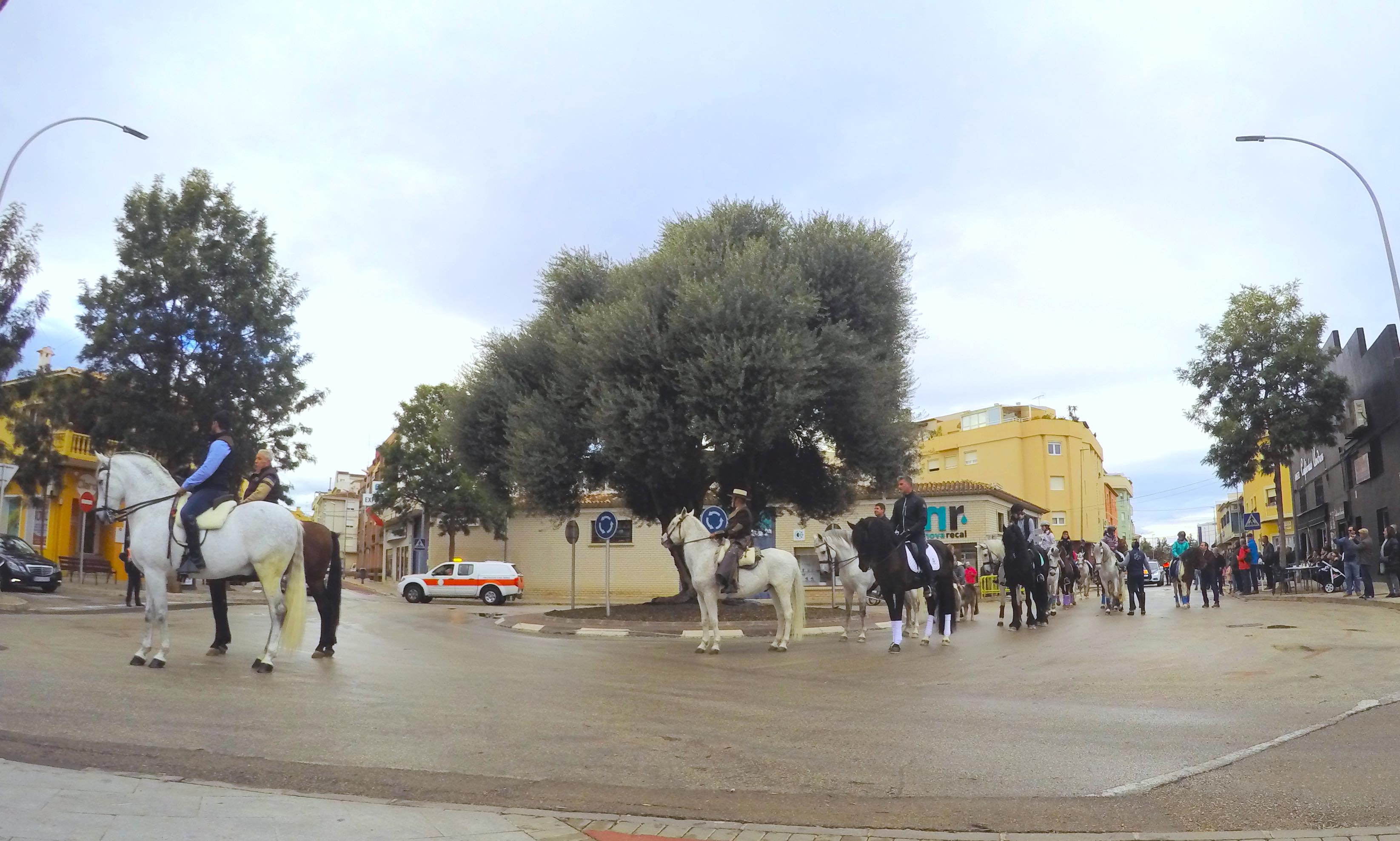
Animal Blessing. Around the 20th January.

A ramshackle affair, that assembles very slowly and, on this occasion, set off about 2 hours late. The parade wends its’ way around the town, gathering more and more animals along the way, and comes to rest in a local church for a blessing.

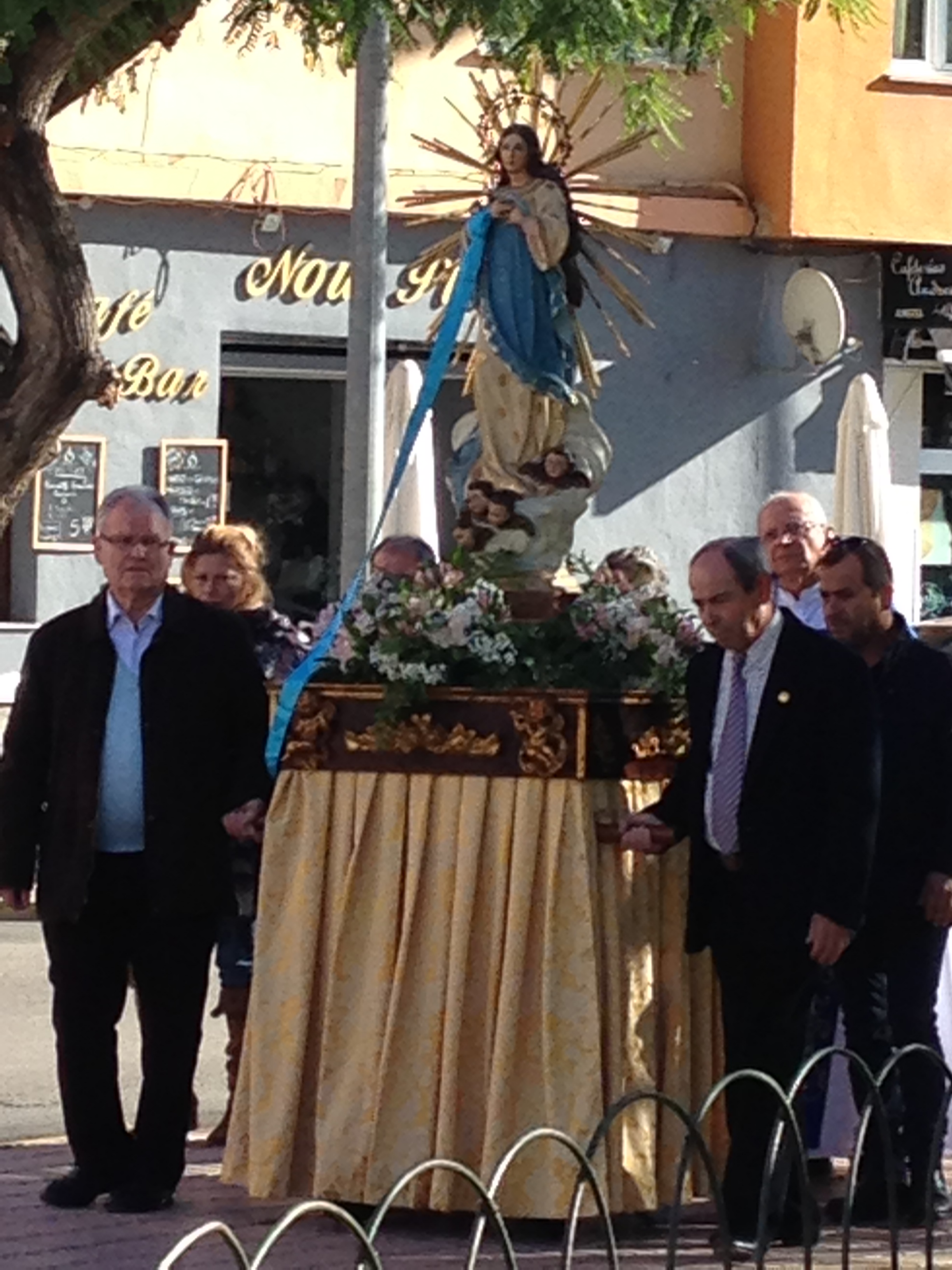
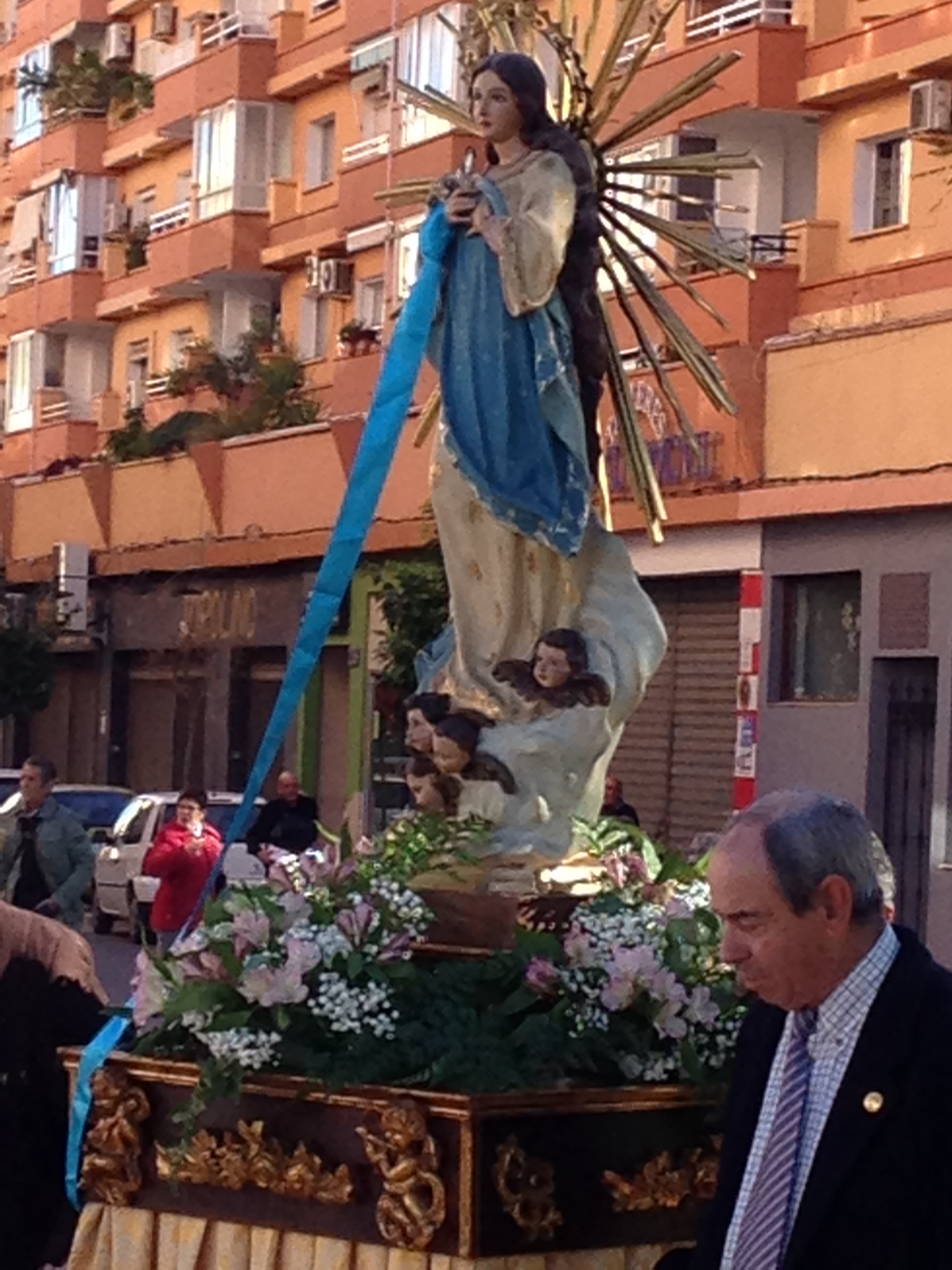
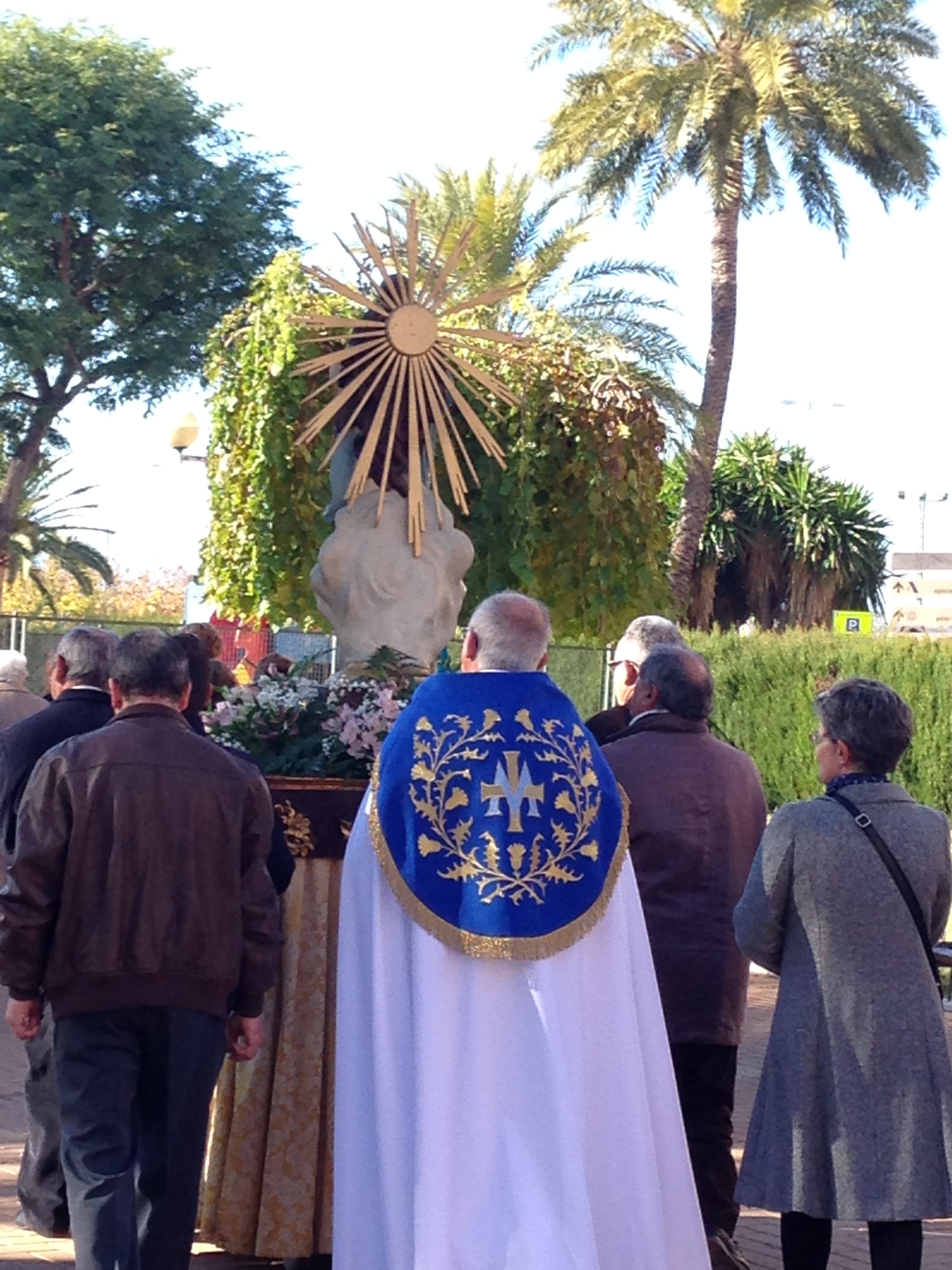
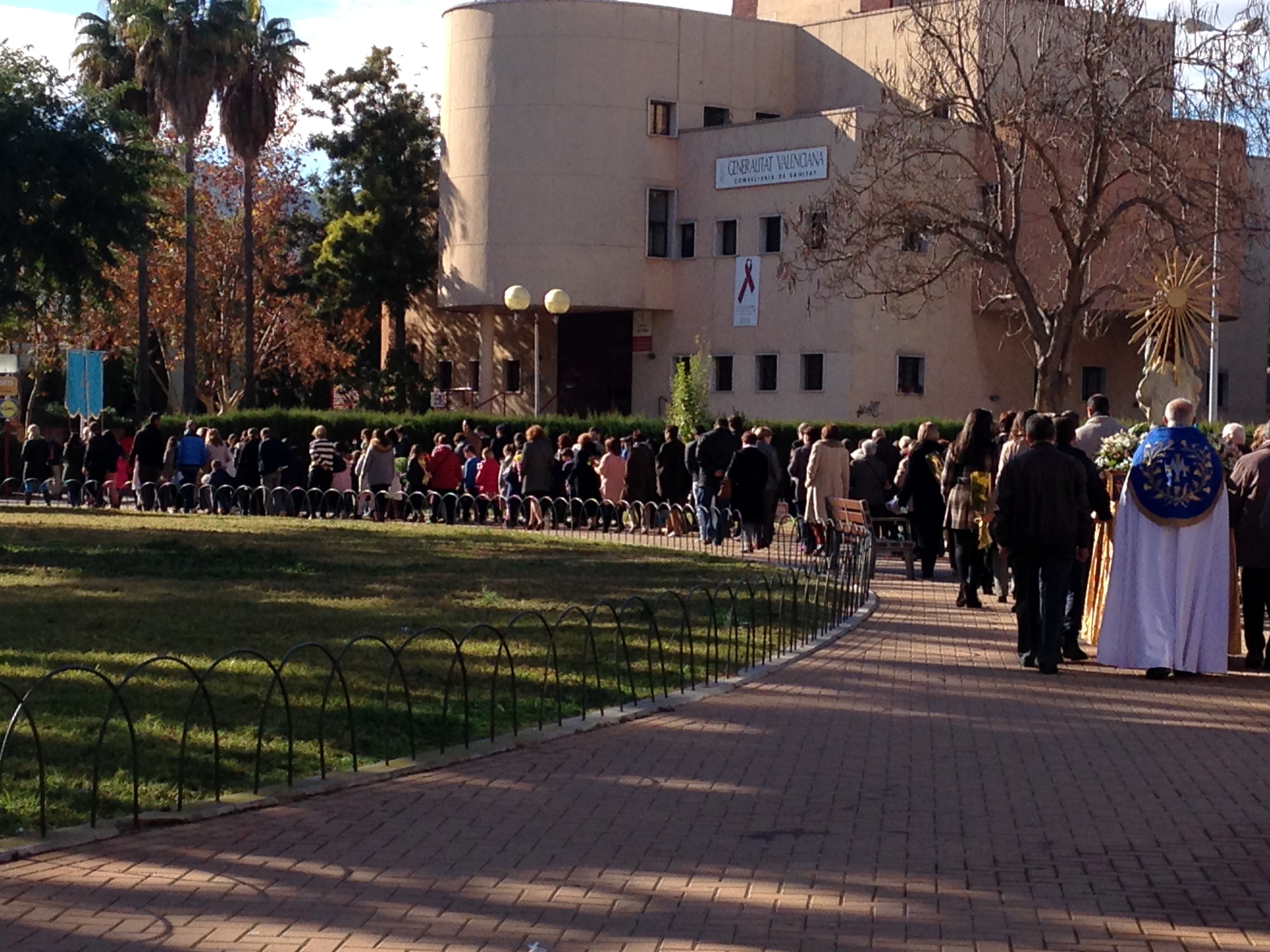
Walking With The Madonna. 2nd Sunday in Feb.

It was just another Sunday Morning in Denia and we stumbled upon this little spectacle. Why here? We do not know. How often? No idea. Have we seen it since? No, sadly.

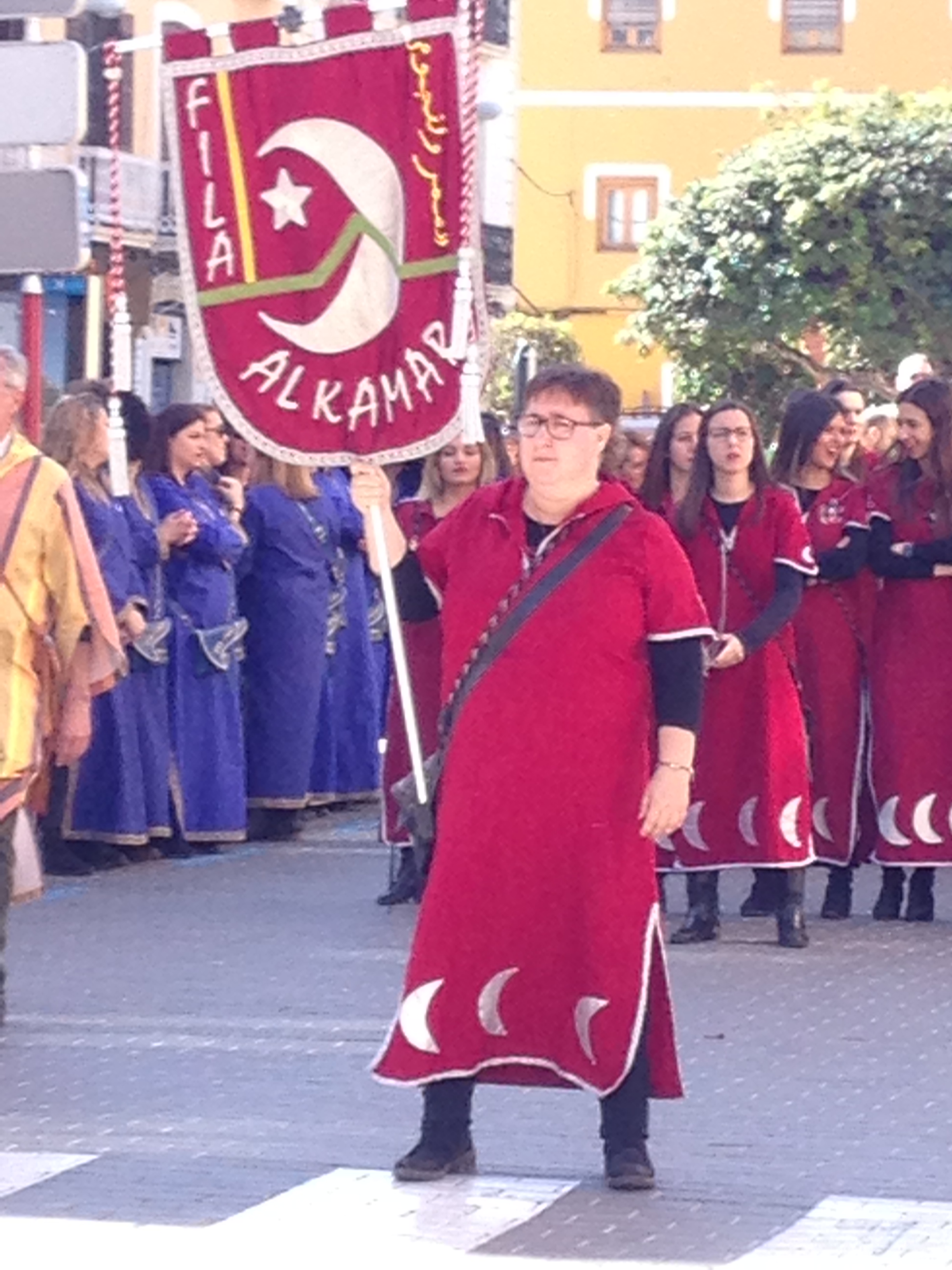
Moors and Christians. About the last weekend in February, but practicing lasts for weeks.

This shuffle-fest commemorates the time the Moors (Muslim diaspora) left Spain. Near the Port is a cement pavement with prints of naked feet walking towards the sea; a poignant reminder of unstable times.

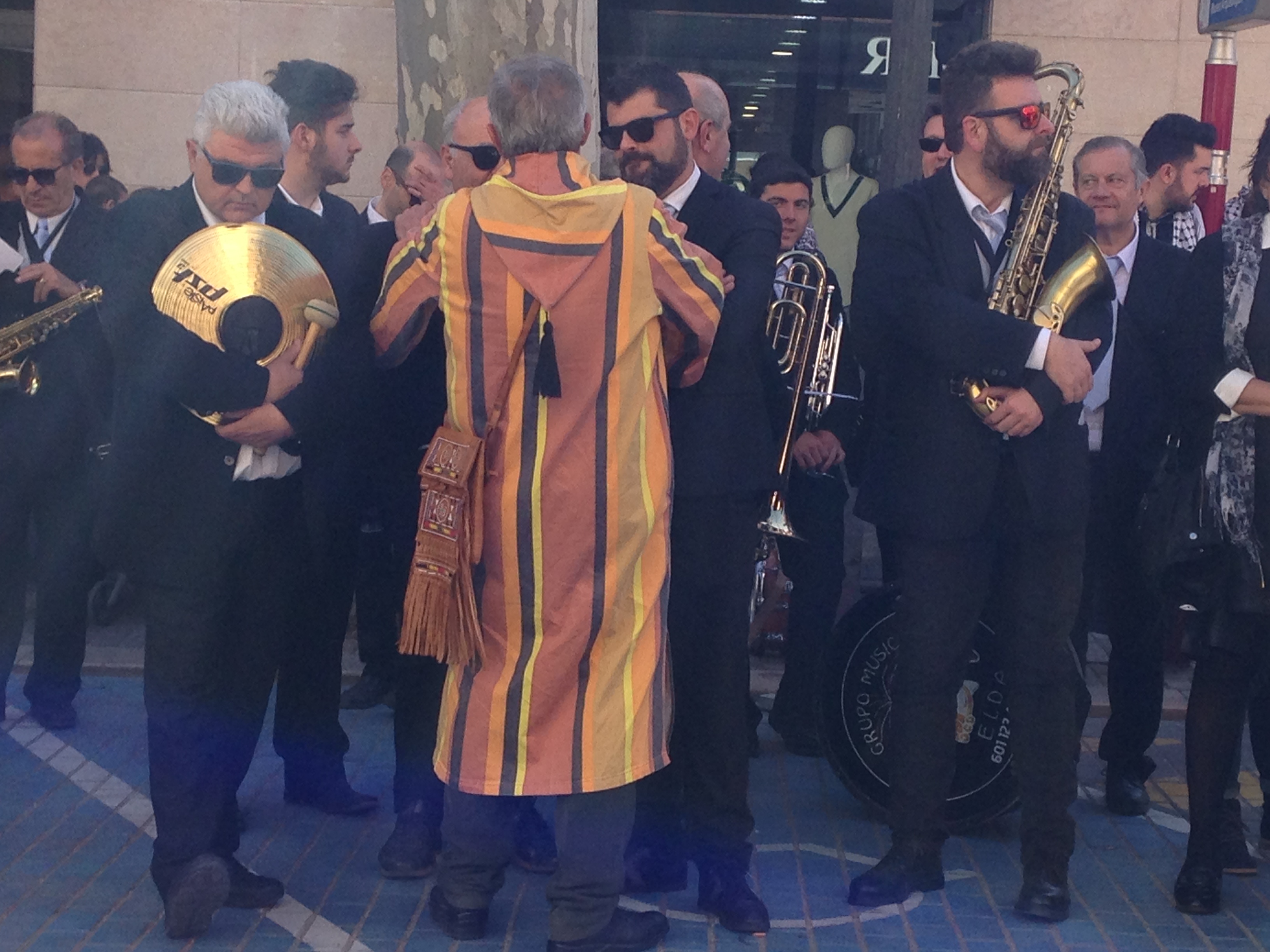
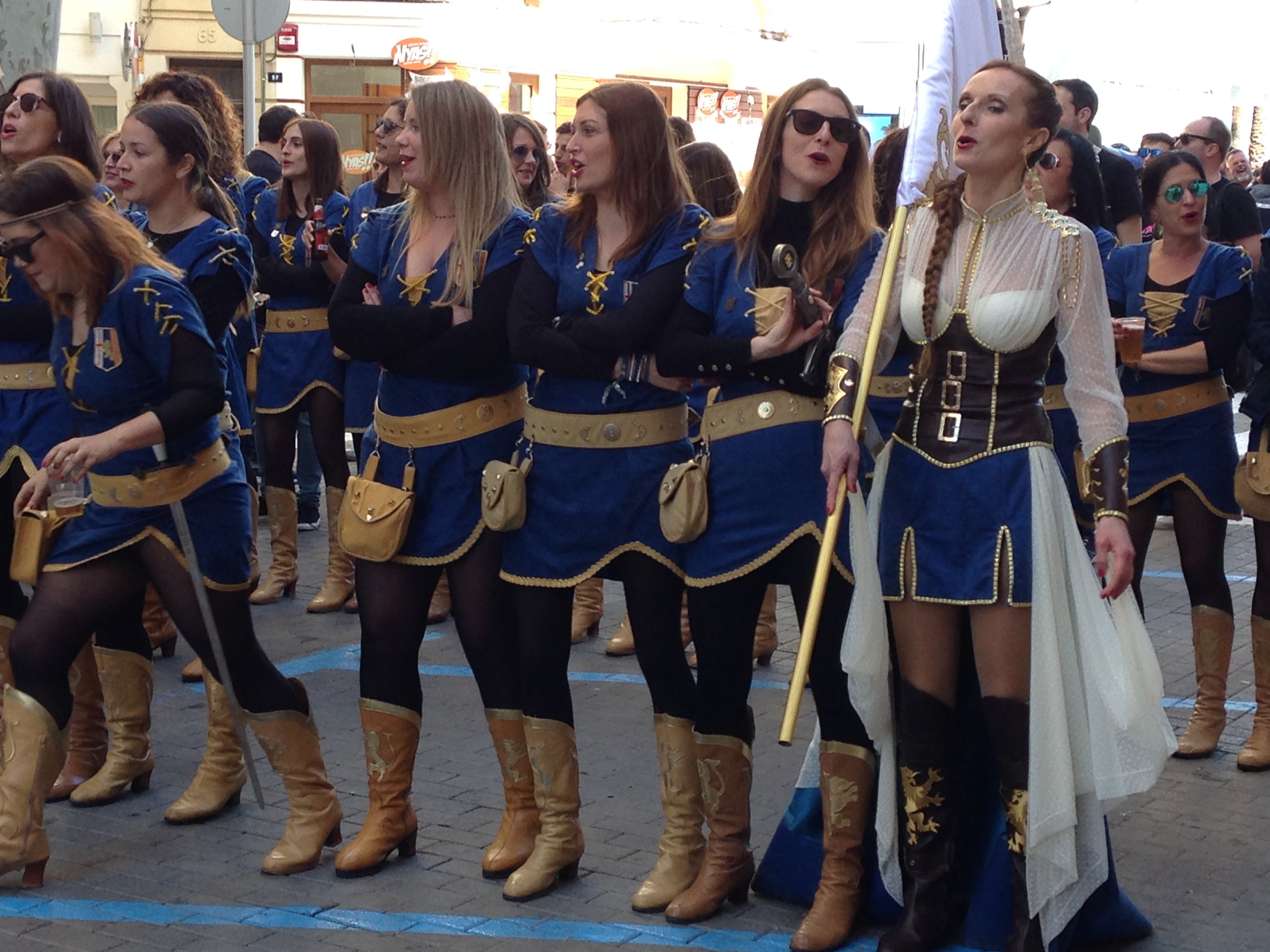
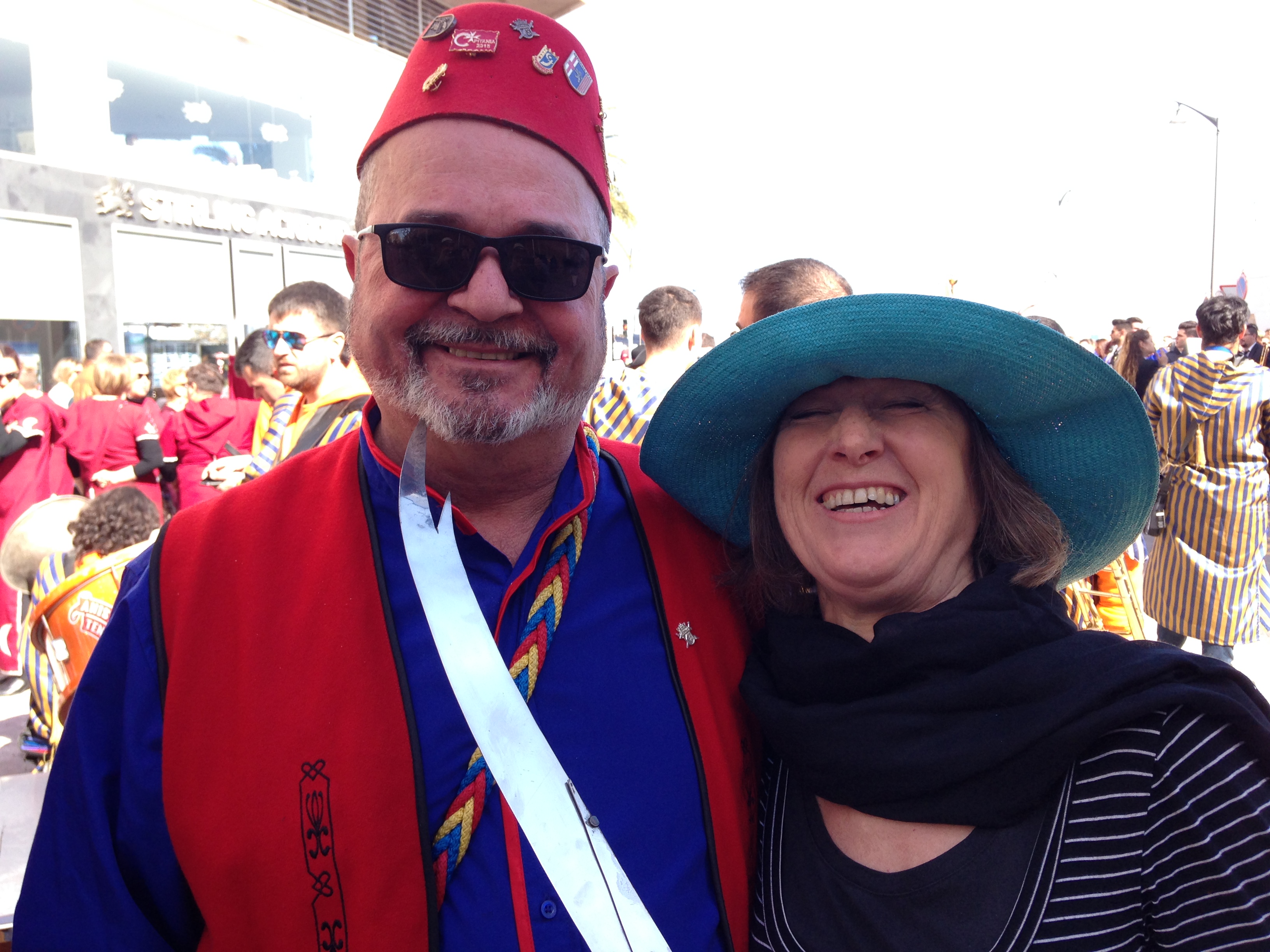
The tradition has teams of all Moors, or all Christians, never a mixture, marching in line, to their own band and strutting, baton twirling/sword weilding leader. Every team has an elaborate uniform. Cigars, held and smoked ostentatiously, are an important feature. Star Wars is a more recent addition! See video.
Why this festival takes on this line upon line of linked armed, shuffling was a complete mystery. Why there were no mixed Moor and Christian, or mixed gender teams, was also a complete mystery. And why it takes a month of practicing in the streets before culminating in a full day event; we have not a clue.
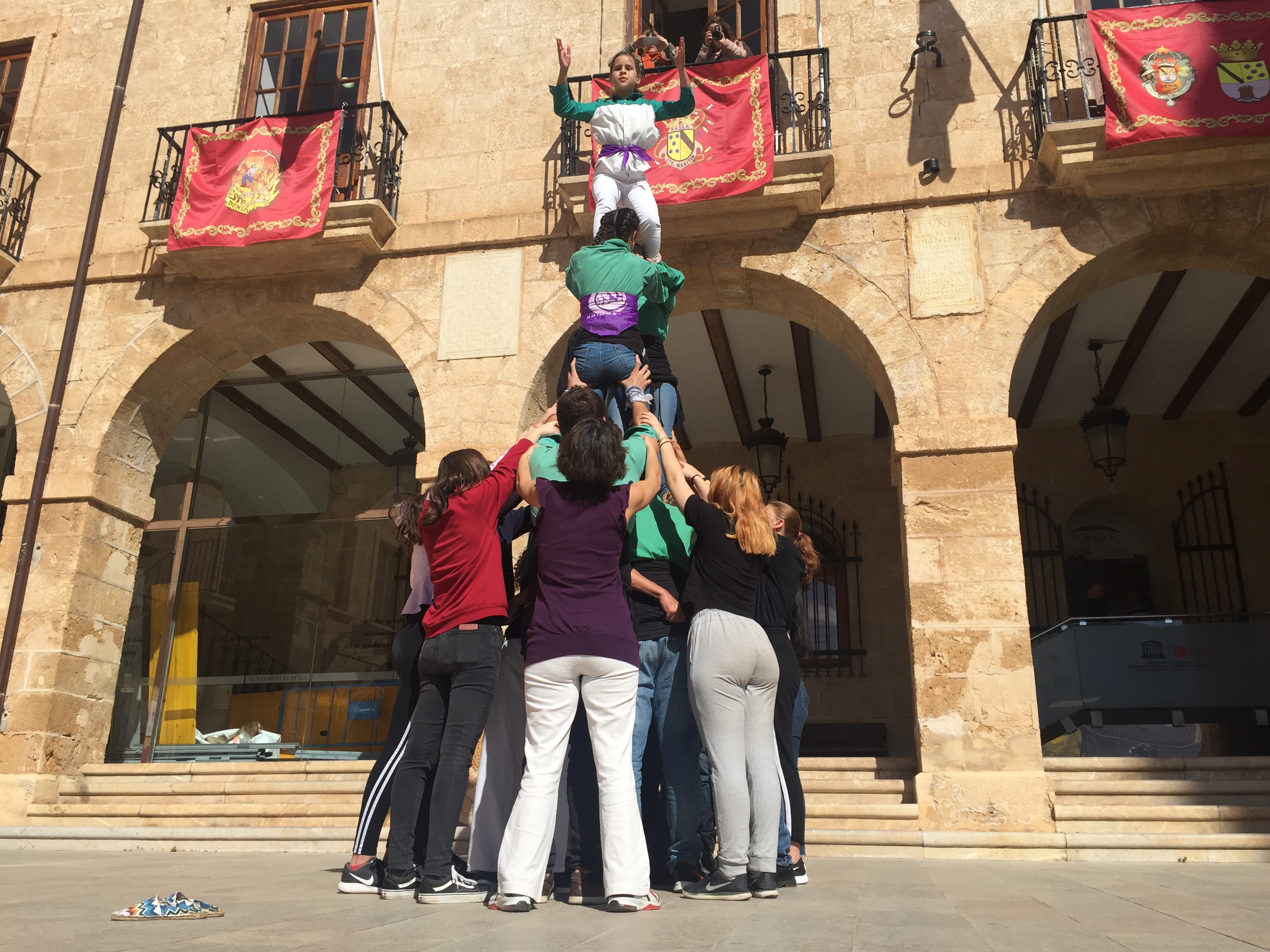
World Feminist Day: Saturday 8th March 2019.
A group of girls form a human tower; with the help of men. You could not make it up. Did it represent the heights all women must go to so that just one of them might get high enough to put a crack in that glass ceiling? It is anyones guess.

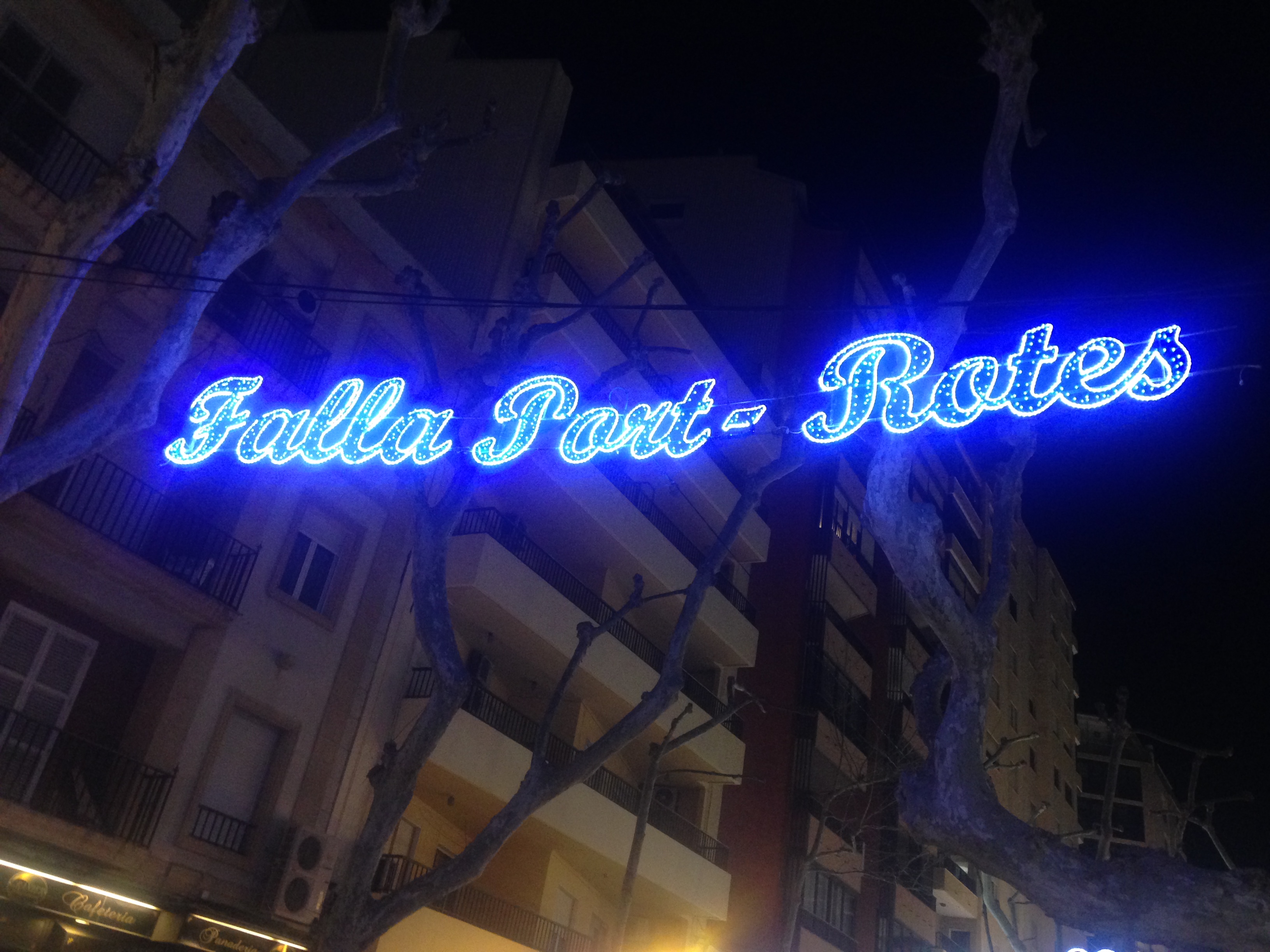
Fallas: Culminated 19th March in 2019.

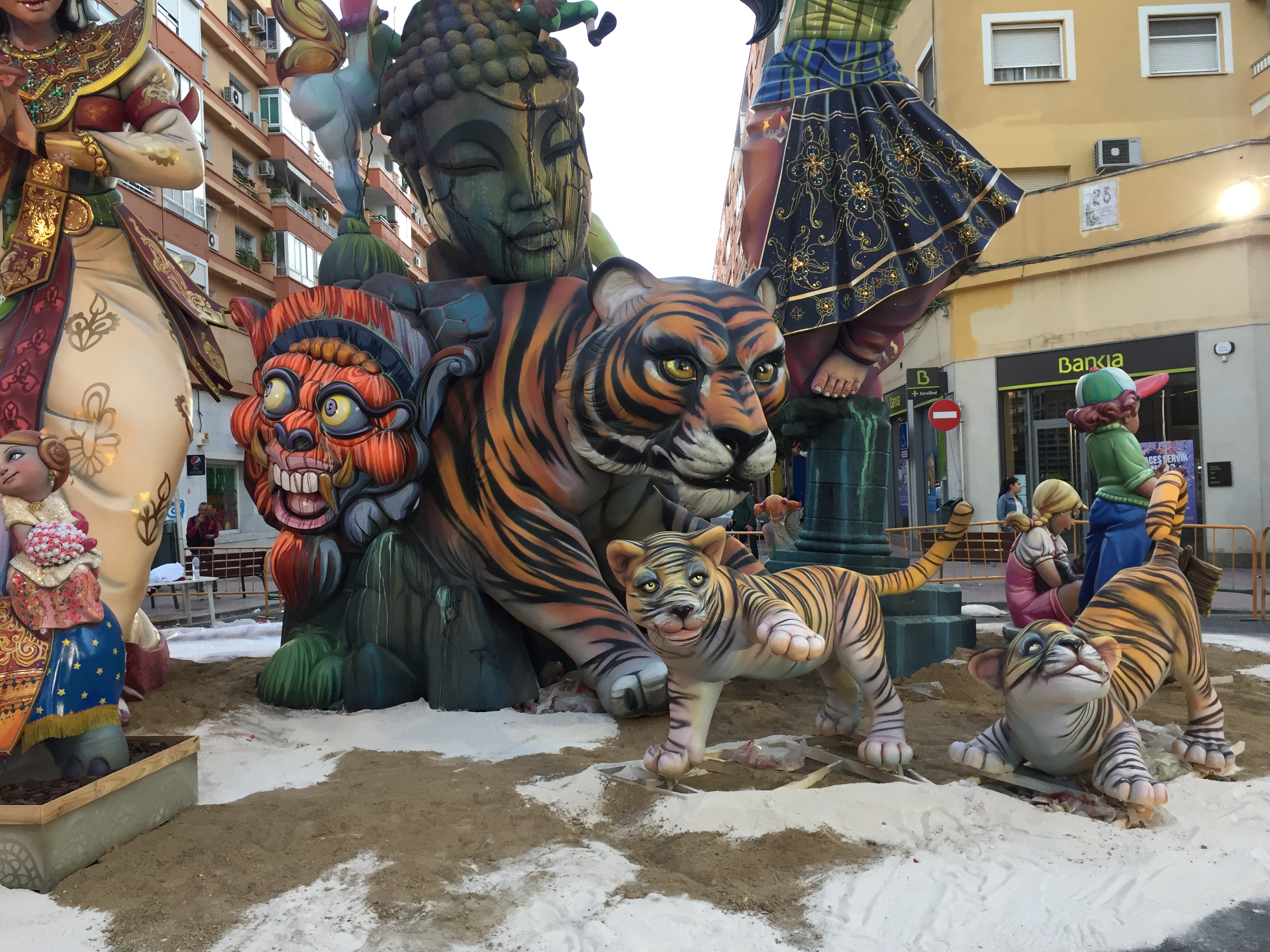
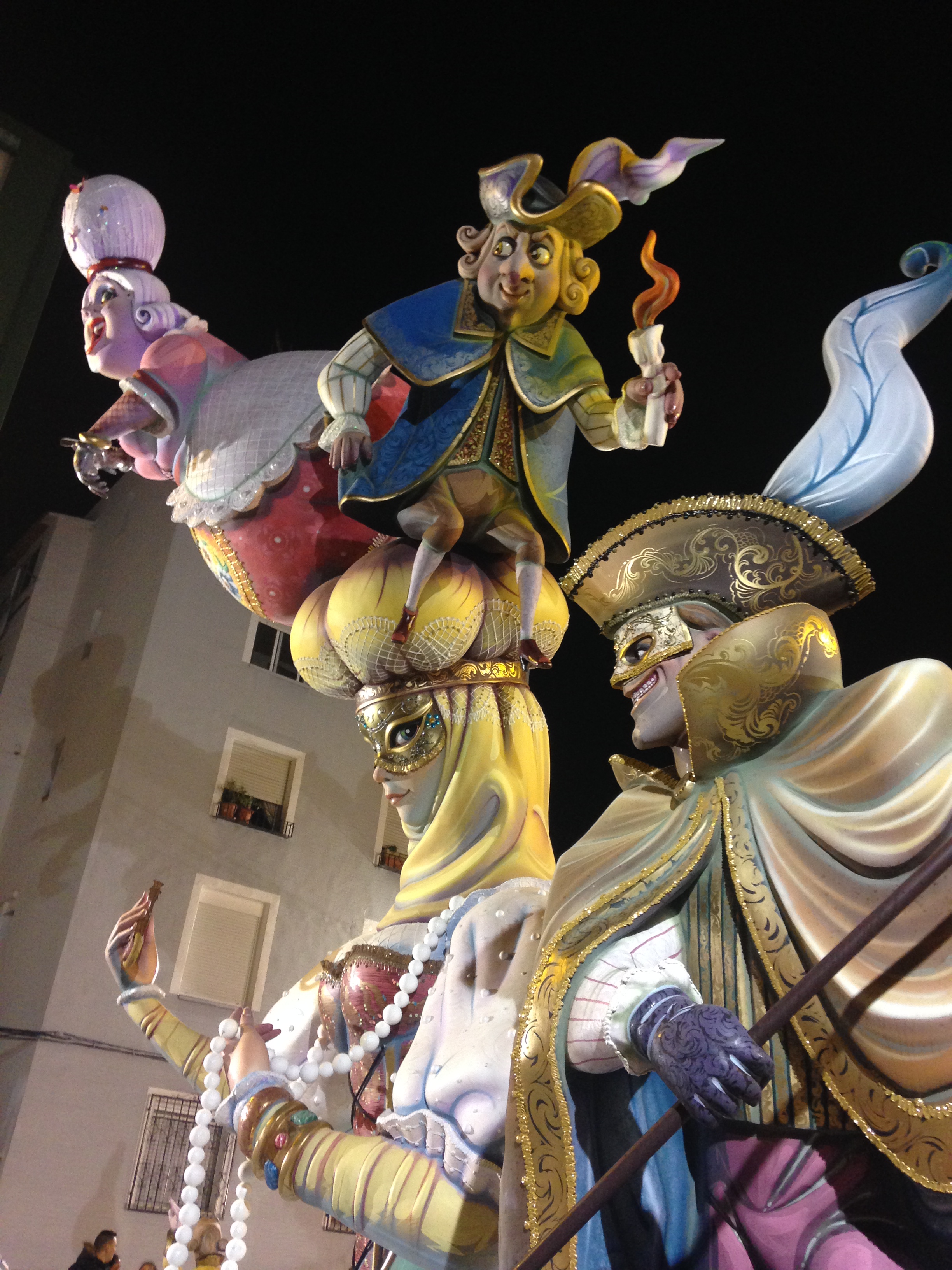
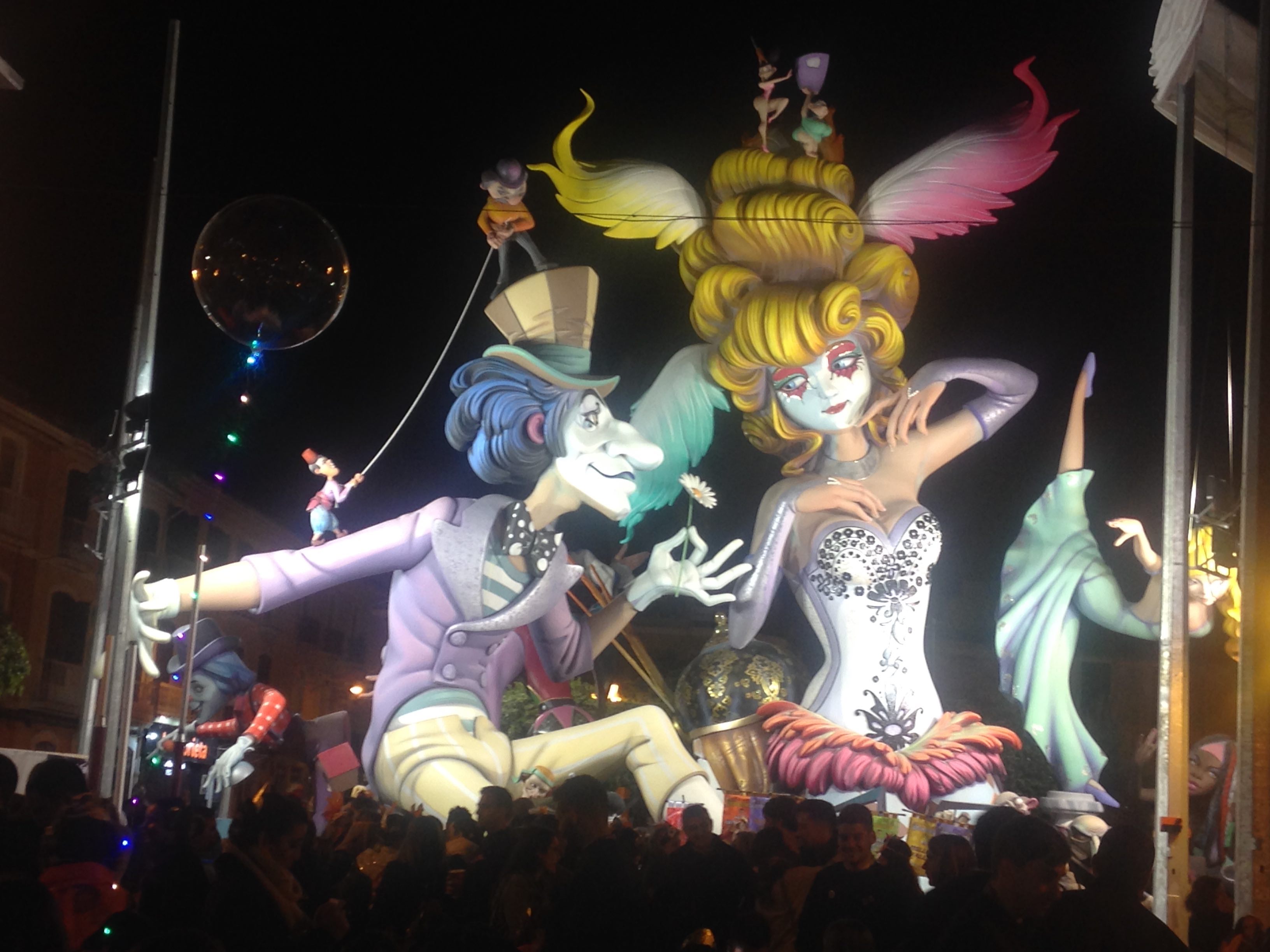
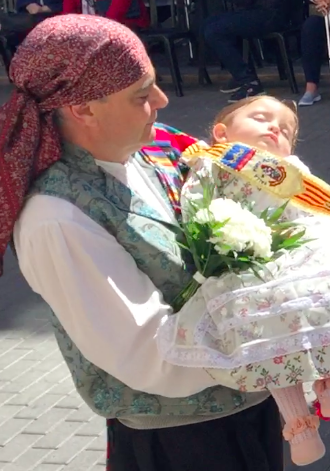
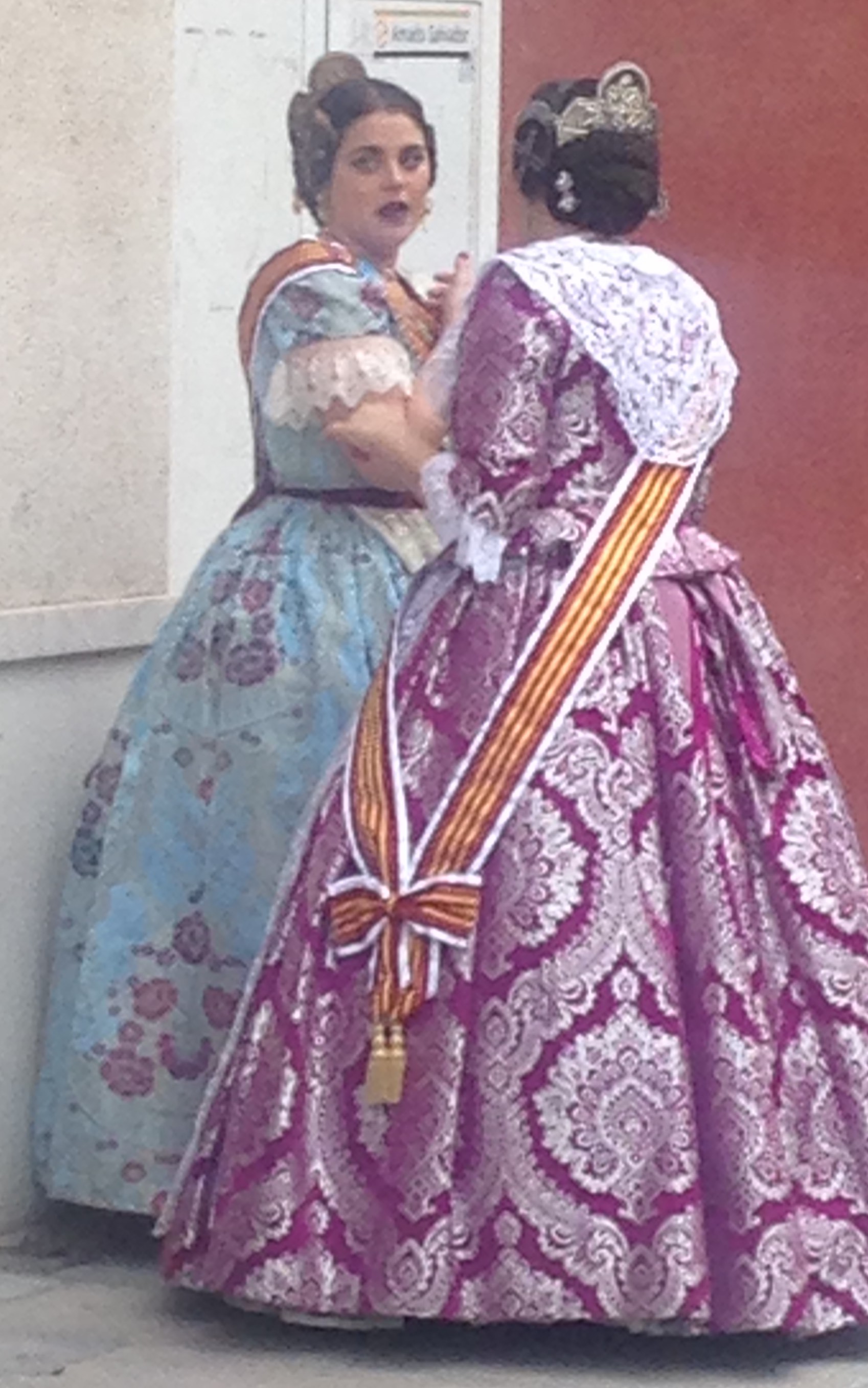
This double themed festival lasts for weeks. A mixture of May Queen ( in UK terms) where everyone gets to be Royal for the day, and an ultra artistic Bonfire night. The final big parade of fabulously dressed locals and their children, the assembling of the massive, sacrificial tableaux, the fireworks and the bonfires are held over one day and night.

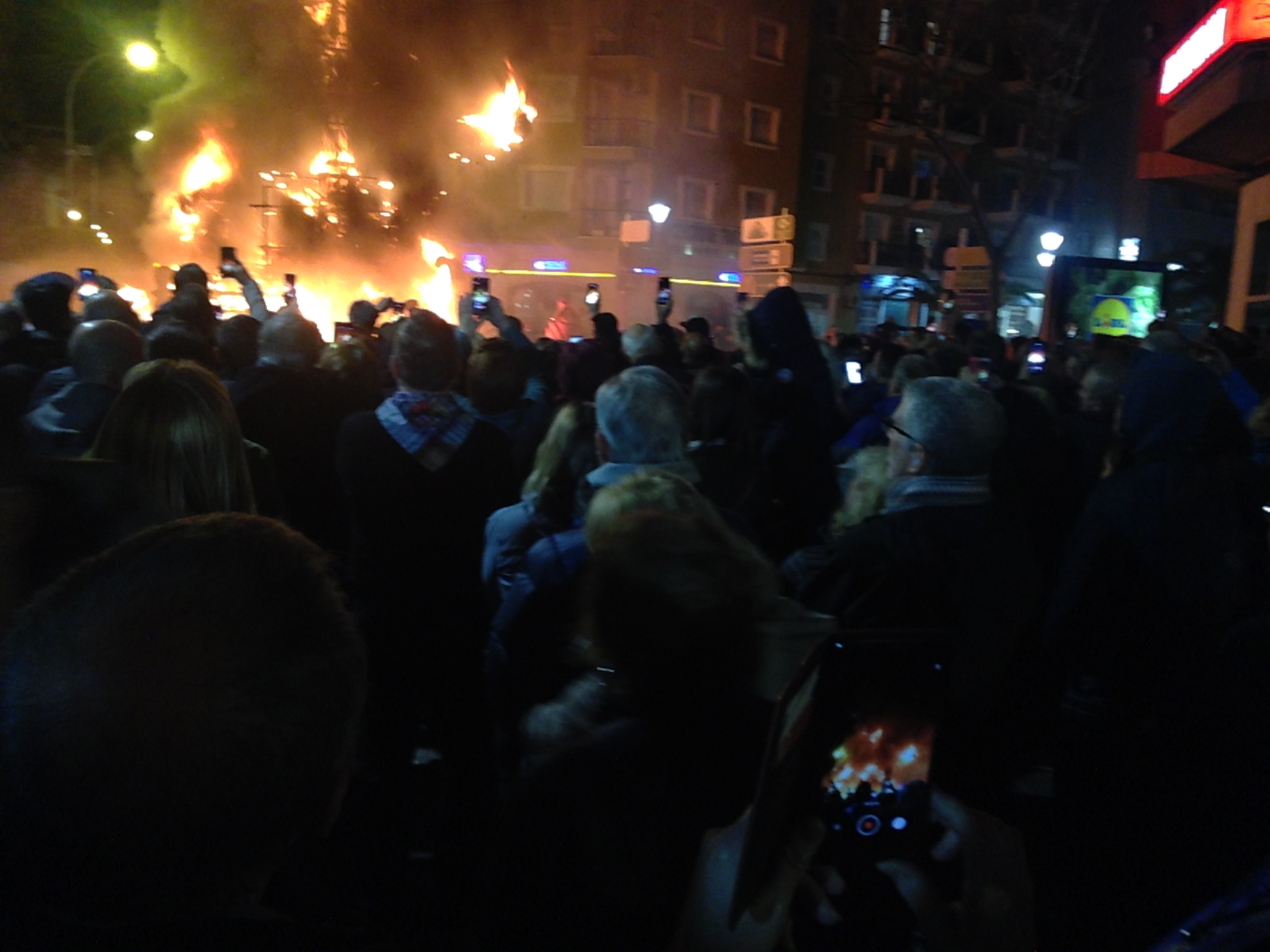
This whole event is a sensory overload, with the two festivals rolled into one. Again, we have no idea what was going on, or why. The Spring equinox Pagan tradition, with flowers to the virgin, all makes sense. Burning paper mâché effigies on town centre cross roads, is, to put it mildly, nuts.

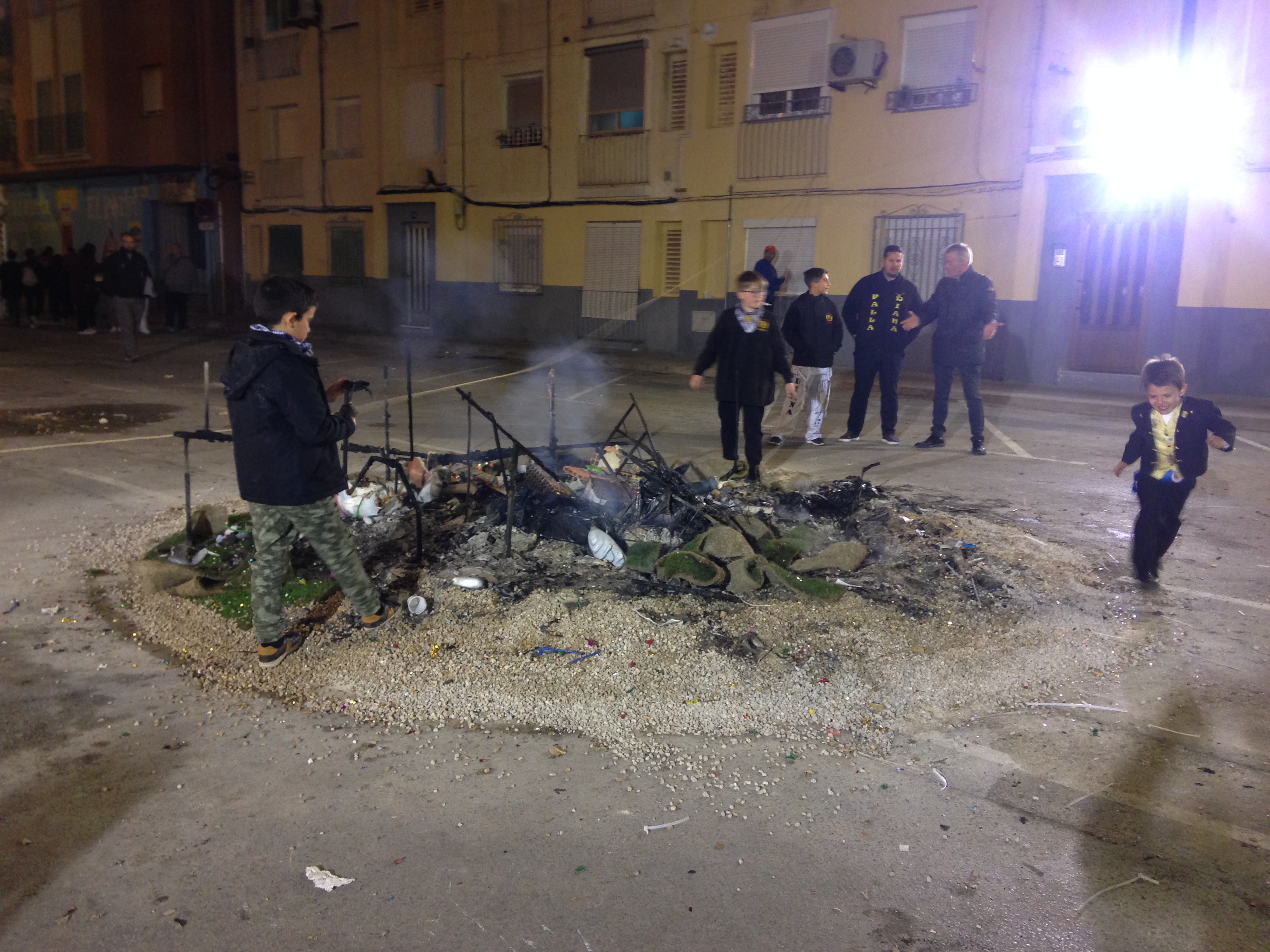
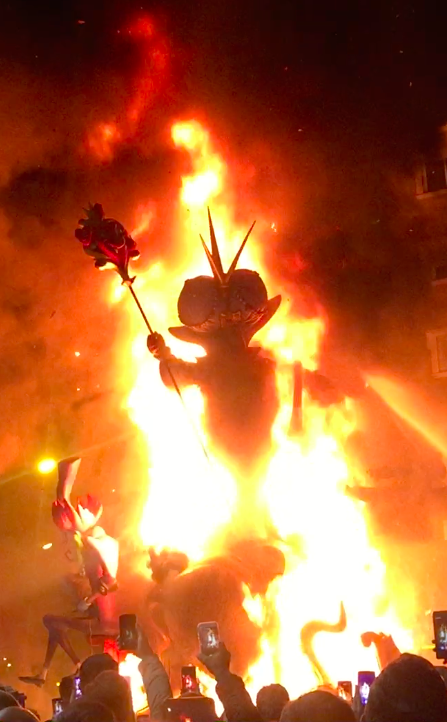
The bonfire part of the Fallas festival. Each area of the town makes a display, some massive, others modestly sized and places it in the heart of their district. After judging, the best model is saved from the flames for future exhibitions; the rest are reduced to ashes, one gorgeous display at a time. The burnings last until the small hours of the morning.

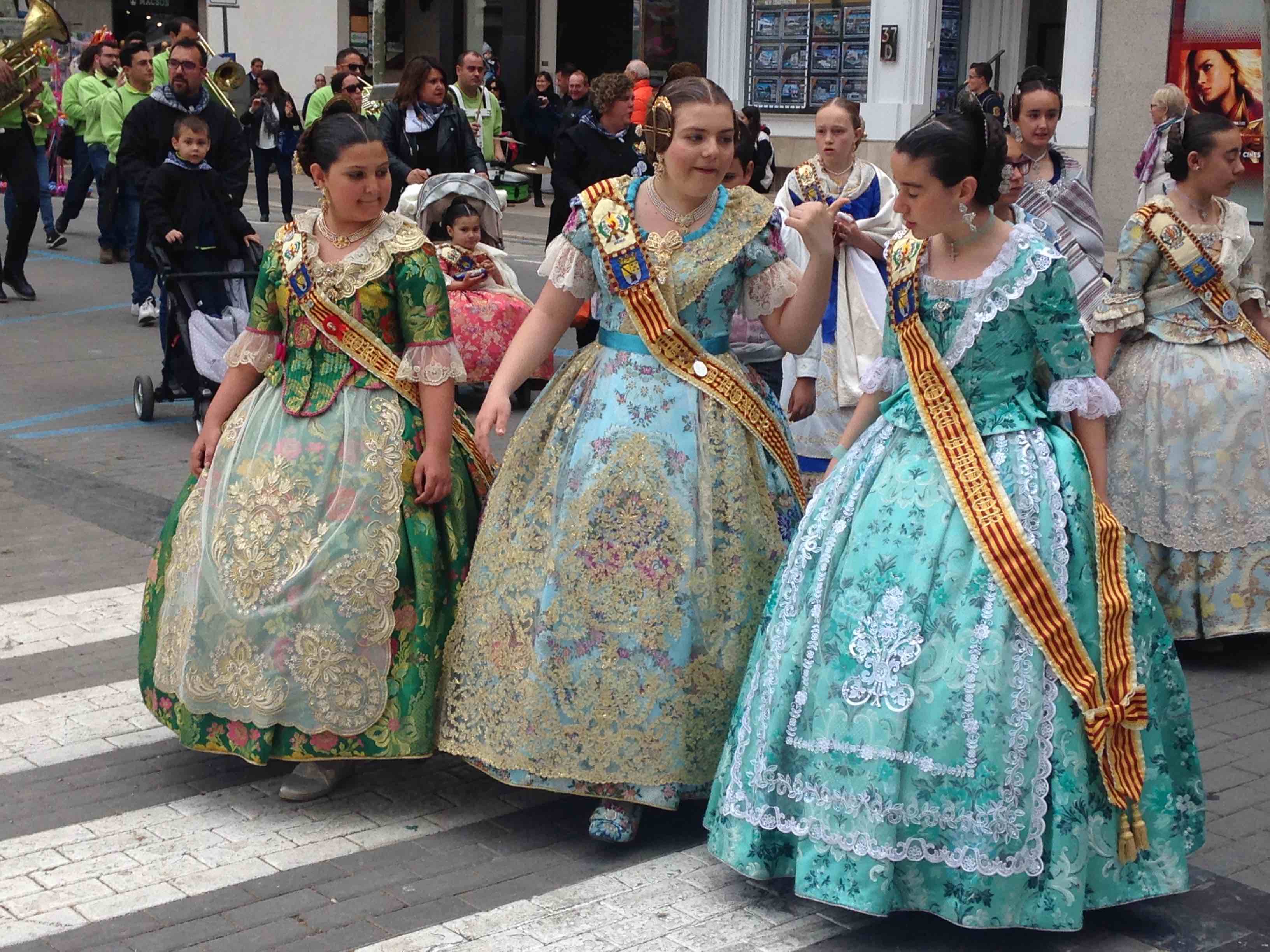
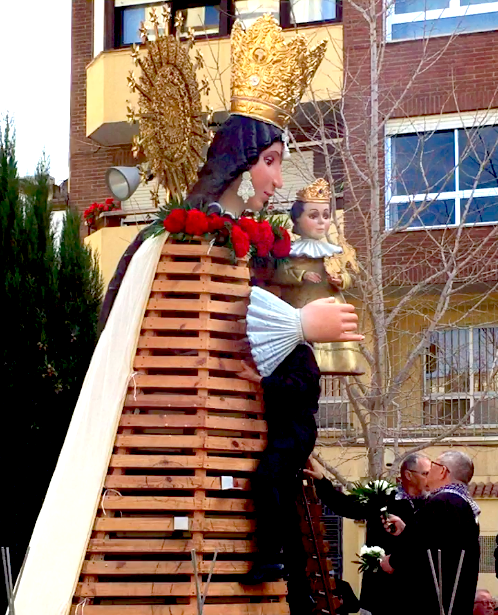
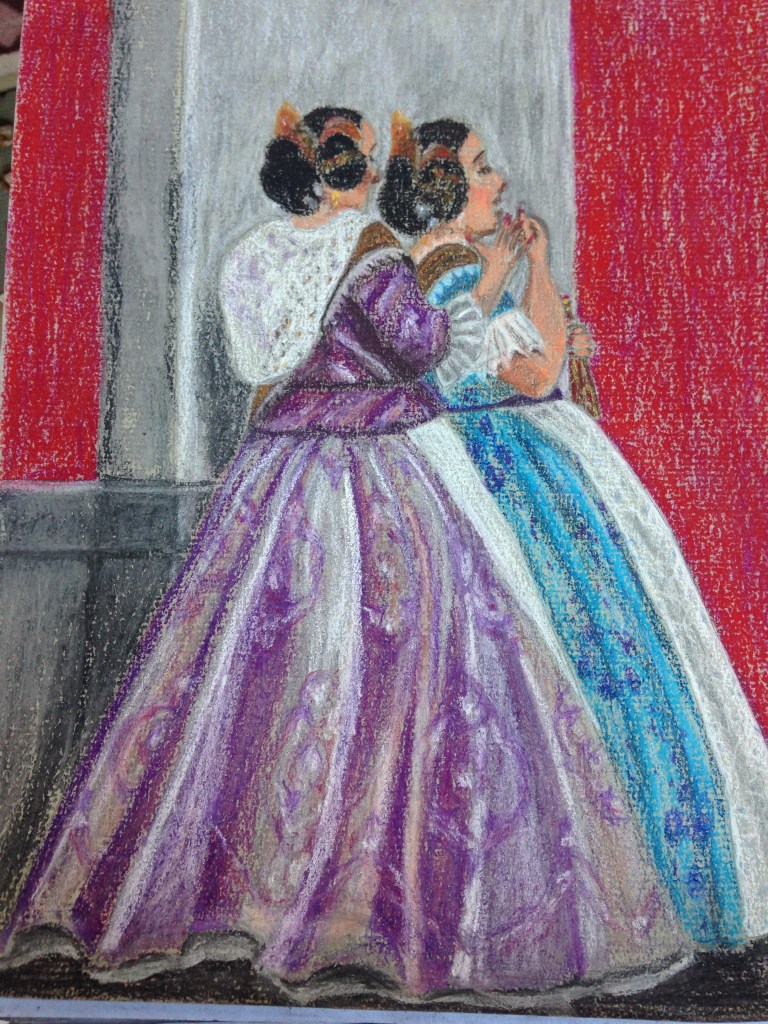
The ‘May Queen’ style event. Men and women, babies, girls and boys, all parade through every district of the town, passing each of the tableaux in turn. Once all the exhibits have been visited, each person then collects and carries a bunch of white or red carnations through the town centre. A wood framed Madonna, built outside a local church, is carefully, tenderly, stuffed with the bunches of carnations by the processions of Fallas participants. These people must walk miles during this progress.

St Juans Day. Third weekend of June – summer solstice.

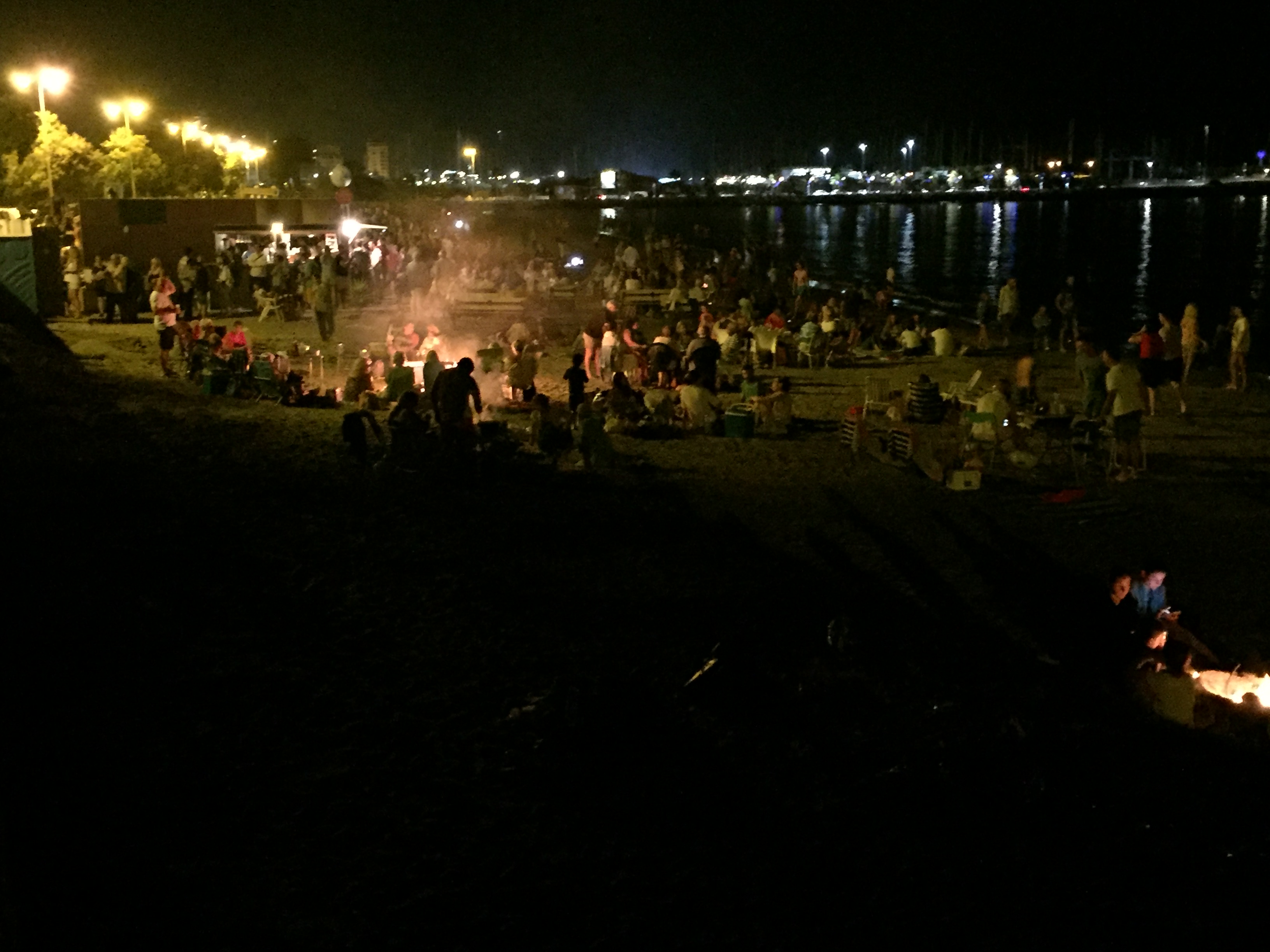
Starts after dark. The beach cafe has food and live flamenco music, where the locals dance a parred down, deeply sensuous flamenco. Most people eat al fresco on the sandy beach, beside small bonfires. People swim. It is over by about 11pm. The next morning all evidence has gone. It is as if all was a beautiful mid summer nights dream.

This Denia festival tradition has been a revelation to us. When hanging around in a Catholic country, everybody anticipates Mardi Gras and The Day of The Dead celebrations. We had no idea that the culture here is to lurch from one festival to another, month in, month out. To maintain their high standards, despite the turn over rate of festival themes, each area of town has its’ own Festival Committee. How they find the time, creative energy and money for all of this is a complete mystery to us. We wish we could bottle this lazy, productive lifestyle, apart from the Bull Running, which we boycotted on principal. Obviously terrified bulls and crazed running men won’t make it into the virtual bottle, but everything else will.

Our video of the 10 festivals we saw this year. We missed at least four others!
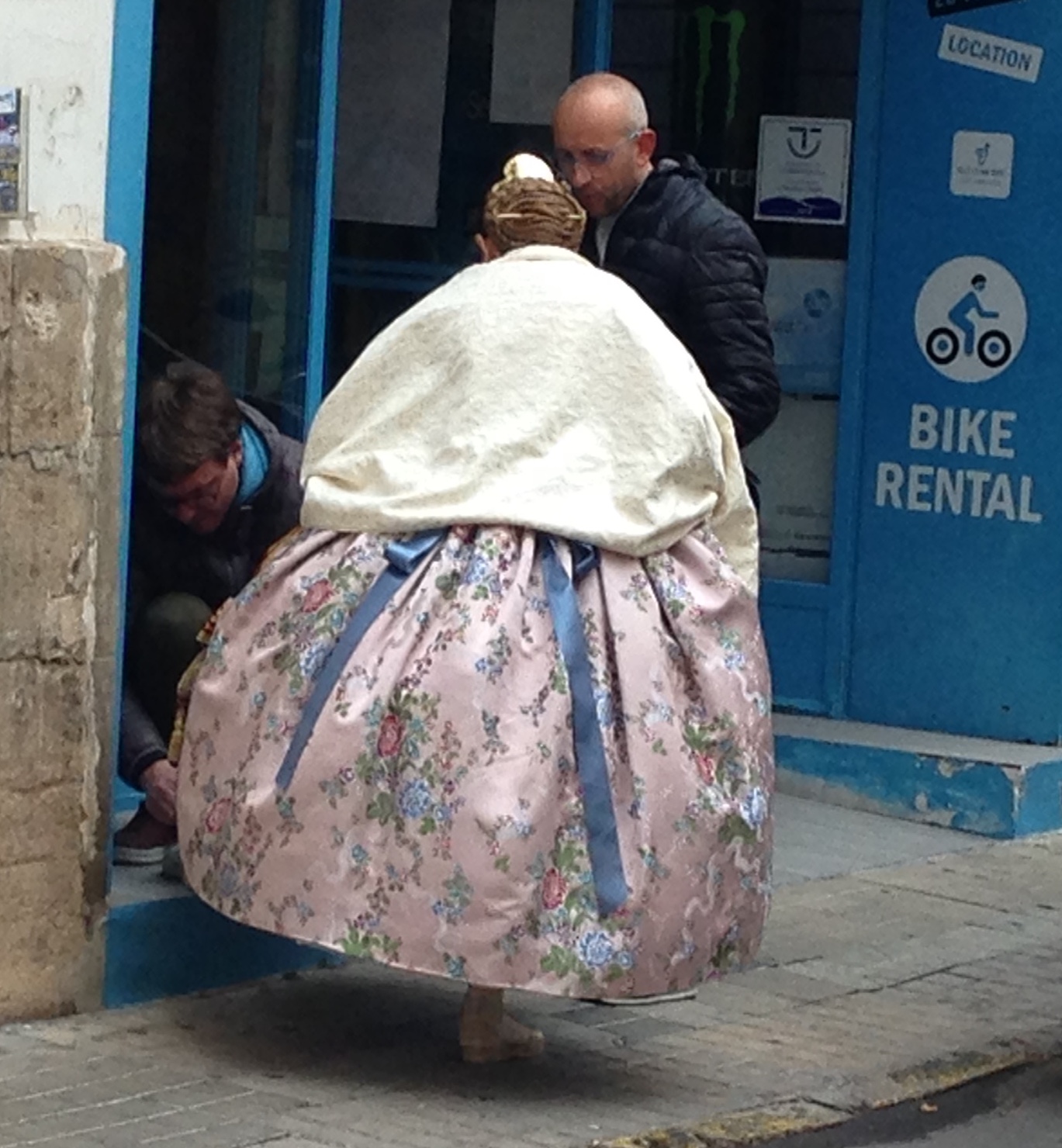
Last minute adjustments: Fallas women

If you have enjoyed this post, please scroll right to the very bottom of this page and leave us a comment. We love to hear from you. Thank you. xx

The Communal Baker of Fes

As we wound our way through the dark and forbidding passages of the ancient Medina in Fes, our guide repeatedly pushed us poor goggle-eyed westerners through doors. Almost invariably, once inside, we would be transported into an alternative world, wonderfully light and colourful and brimming with human joy and energy.

This doorway was different.

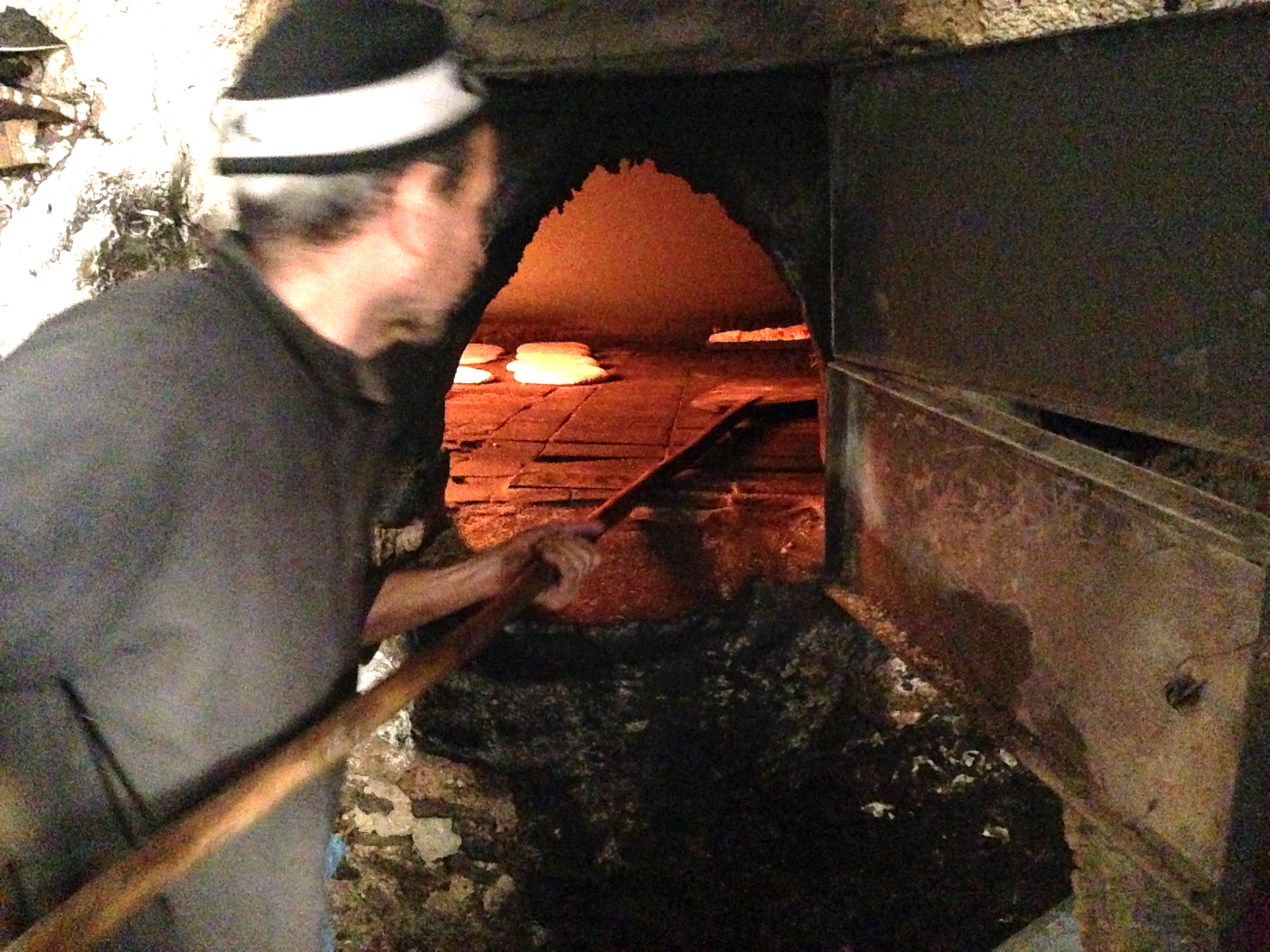
It was low and, as far as I recall, there was no door to open. I had to stoop to pass through the arch and step down into the smokey and blackened cave of a room. My eyes could not make out very much in the enveloping darkness. Our guide chatted to a dismembered voice that emanated from a raging fire set part way up a wall.

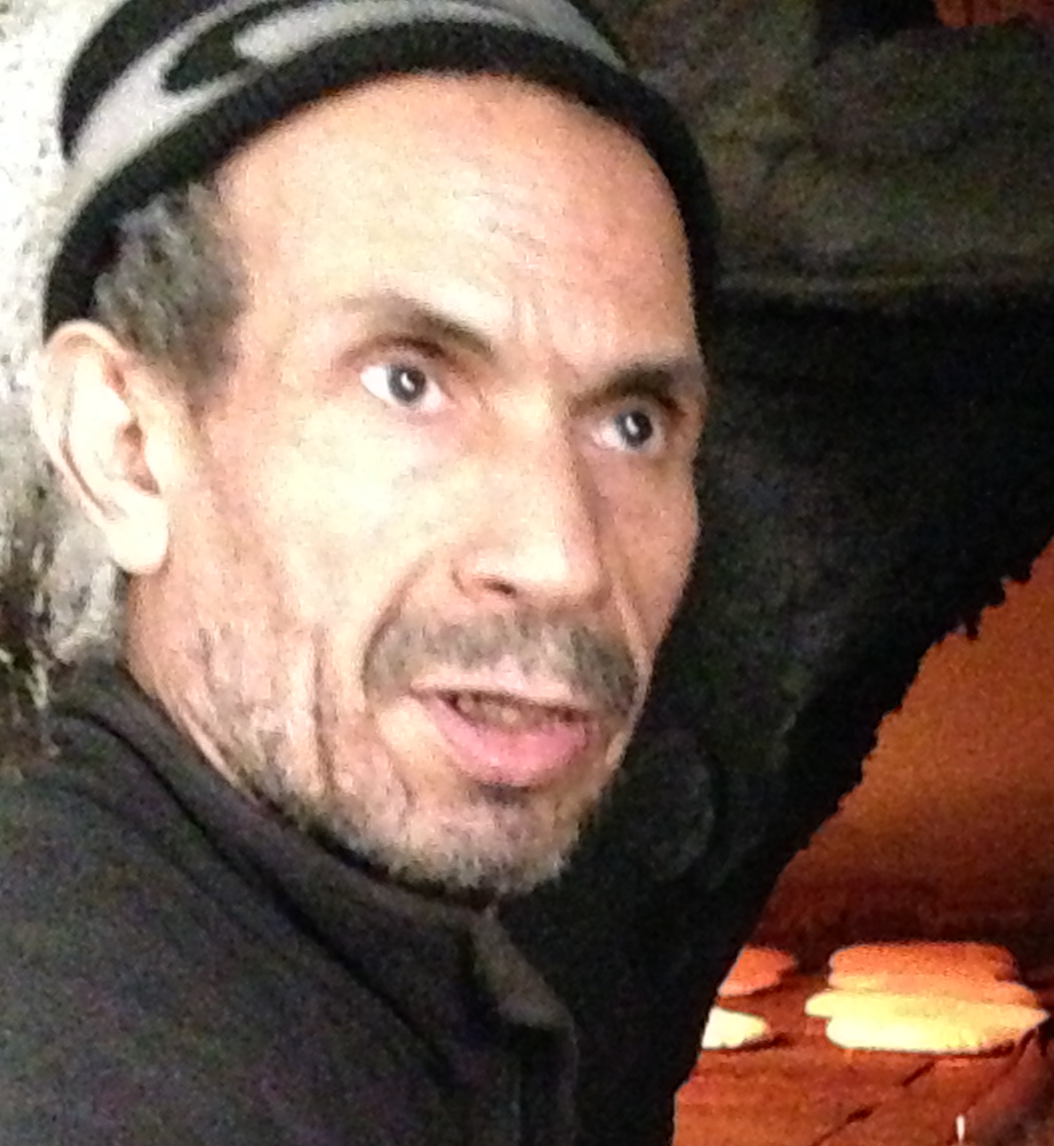
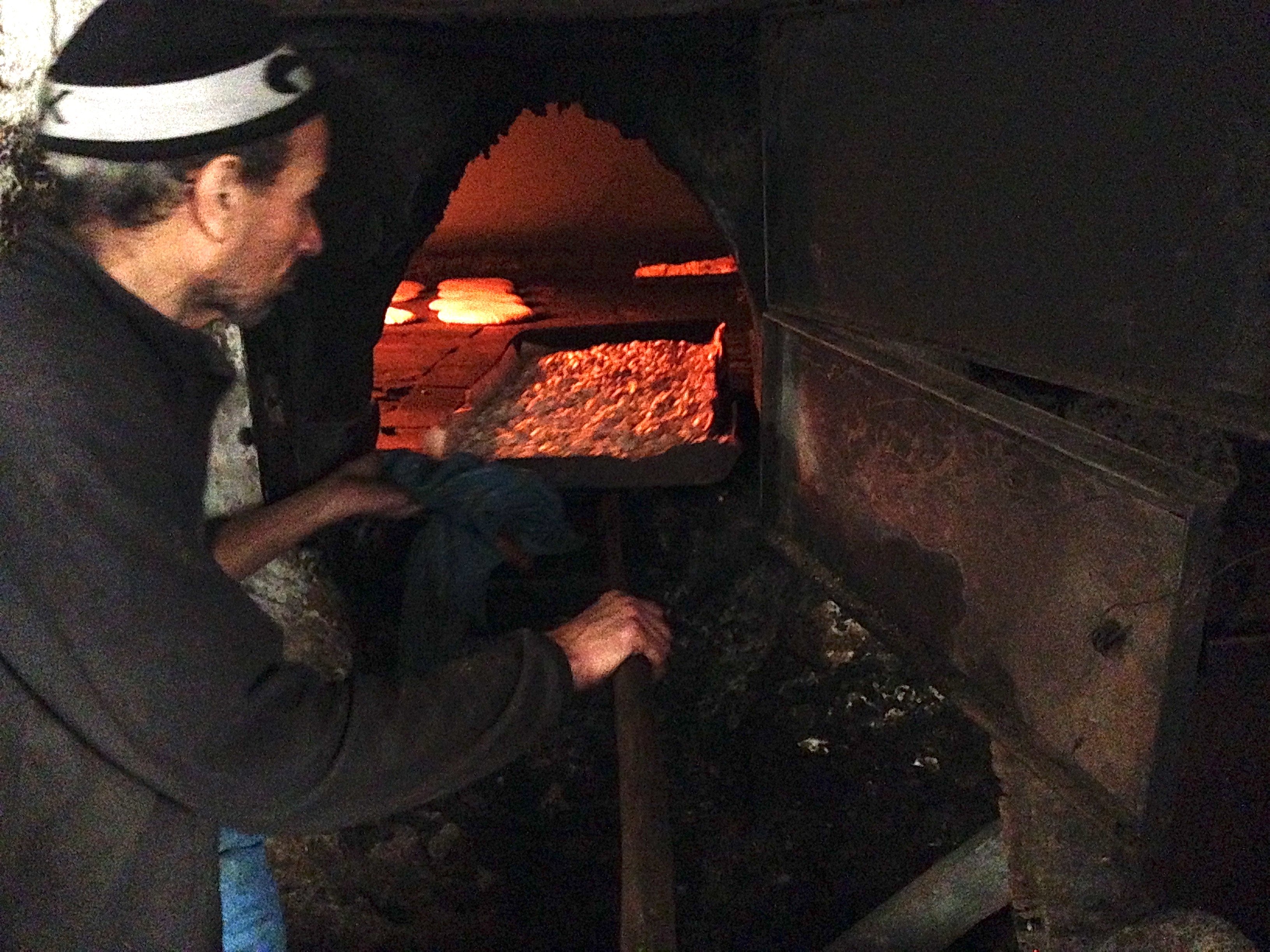
As my eyes adjusted, I was able to discern a wiry man crouched low on his haunches, on a grey, dust carpeted floor. He was wielding a very long handled peel, in front of a simple, gaping, wood fired oven. He deftly removed several flat round loaves of bread from the furnace, and placed them in a small number of baskets and trays that were on the floor behind him. Then he turned his attention back to the oven and began to move the embers about, making sure the base of the fire was clear of debris and ready to receive the next batch of bread. Our guide babbled on, explaining exactly what we were seeing. He need not have bothered. I knew what this was and I was transfixed. If I had ever bothered to write a bucket list, I now realised that this moment would have been right at the top.

Eventually I managed to tear my gaze away from the flames and take in the rest of the tiny room. Deep shelves lined a couple of the walls and a mess of wood, much of it broken furniture and twiggy bits, was piled, floor to ceiling, against another wall. The shelves had a number of trays, boxes and baskets on them; bread awaiting baking, or collection. The wood, I was told, is purchased by the baker and not, as I had assumed, donated by the community members in part exchange for this service. This man runs a business.

A very blurred (!) picture of the bread oven: even the camera had trouble adjusting to the darkness.

The bake house works like this; local residents bring their home made, shaped, proving, but un-risen loaves, that have been carefully covered in spotless cloths. The job of the baker is not only to bake the bread, but also to make sure that every batch in his charge is allowed to rise to the perfect point for baking. Once baked, at this precise moment, he must make sure that everyone receives their own loaves when they call to collect them. He must never muddle up his customers’ breads.

If you know me, you know I have a bit of a bread fetish. I eat it, I make it, I love it. It is such a simple thing that can keep your gut biome so healthy and, when fresh and warm can bring a group of strangers into friendship, as they rip off lumps, dunk them into a simple unctuous sauce and eat. There is nothing like it, that costs so little and yet offers so much. Knowing this about me, you can imagine my gushing, girly, response to the realisation that I was in a communal bake house. I still come over a bit wobbly at the very, heavenly, thought of that moment.

As a sideline, this hard grafter also bakes daily trays of nuts to sell in the Medina and he will bake almost any food for a fee. People here do not have ovens, preferring to cook on simple burners using bottled gas. The communal Baker comes from an ancient tradition that still, to this day, suits everyone.

I have to admit that I nearly did my Captain Oates impression that afternoon, “I’m just going outside and may be some time.” Only Wally and our guide could go outside and leave me for some time. I was such a happy bunny.

Omar

Don’t miss the short video at the bottom of this page.

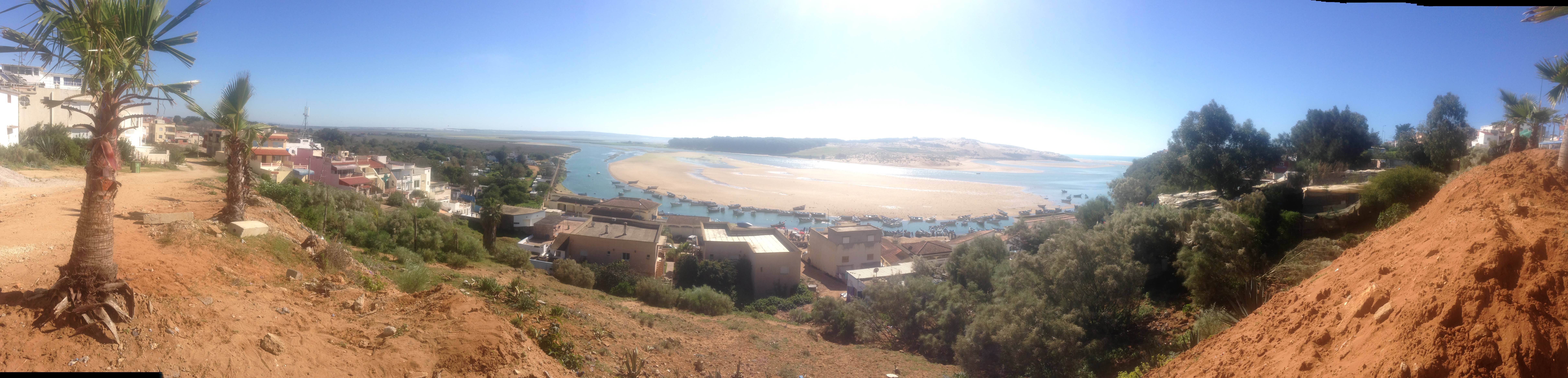
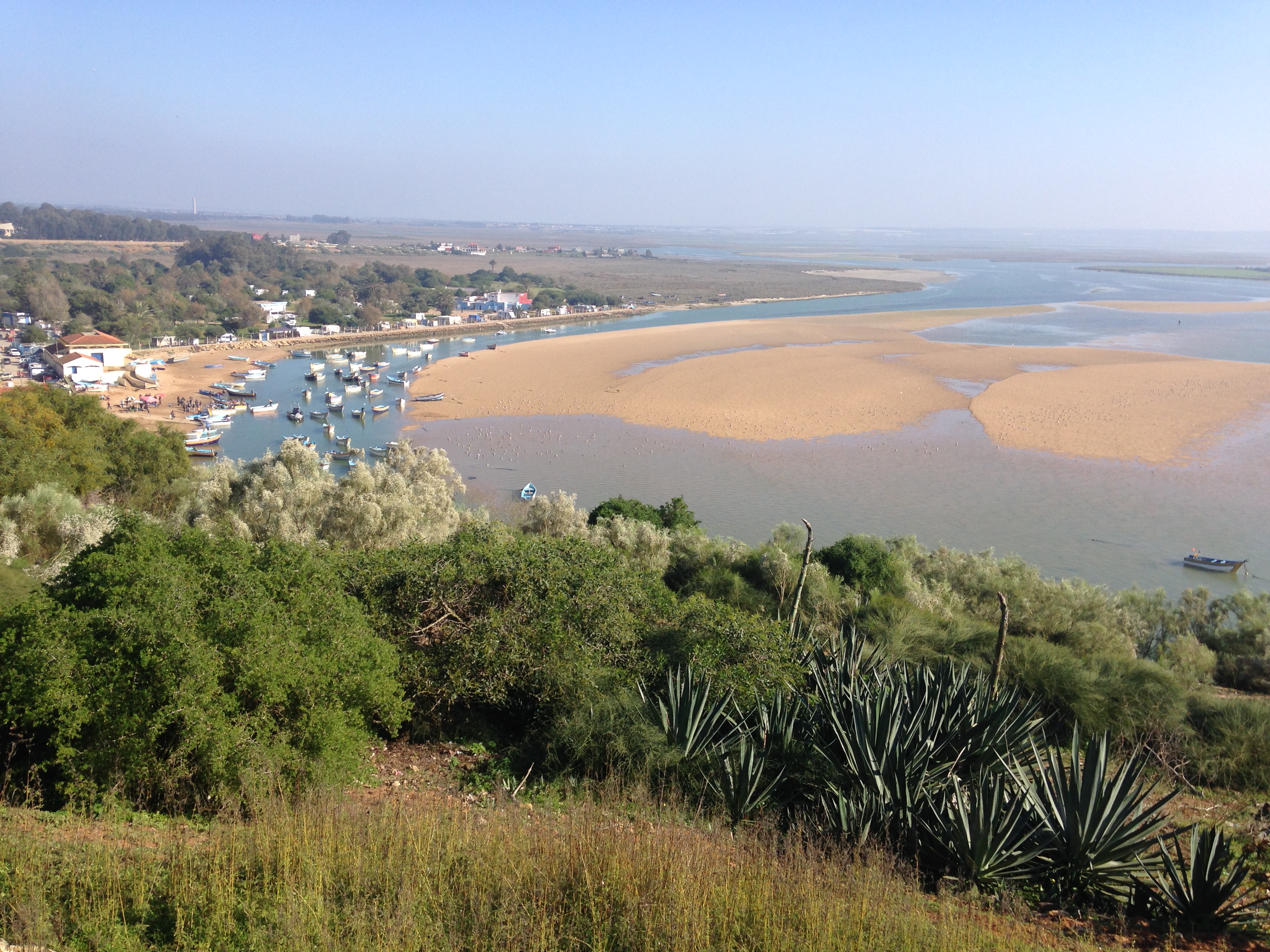
We’d not long arrived in Moulay Bousslham after a day sitting on our bikes and we needed a walk. We headed for the lagoon, which is beside the campsite, followed by a breathtaking walk. After no more than an hour, we found ourselves on the end of a sand spit, with the wild Atlantic on one side and the serene lagoon on the other. A fast flowing channel joined the two.

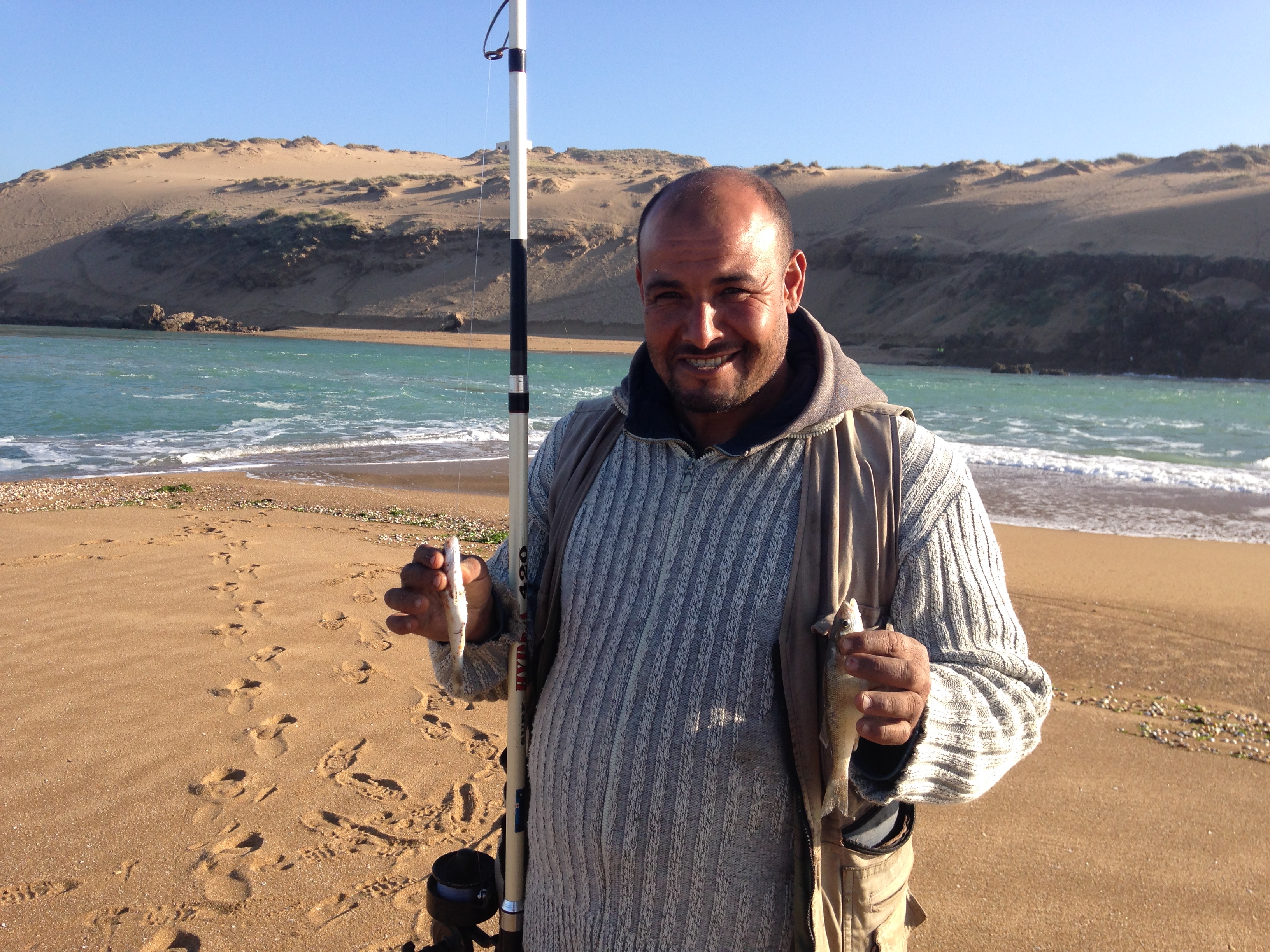
As we meandered about, picking up shells and watching the little fishing boats ride the surf and then the narrows to return to safe harbour, a man caught my attention. It was Omar, who had spent the day line fishing and wanted me to take a picture of him with his meagre catch. He spoke as much French and Spanish as me; so, not much!

We exchanged phone numbers, so that we could send the photos to his smart phone, which he kept at home. That evening, after a great meal in one of dozens of fantastic and cheap restaurants here in town, we sent off his photos.

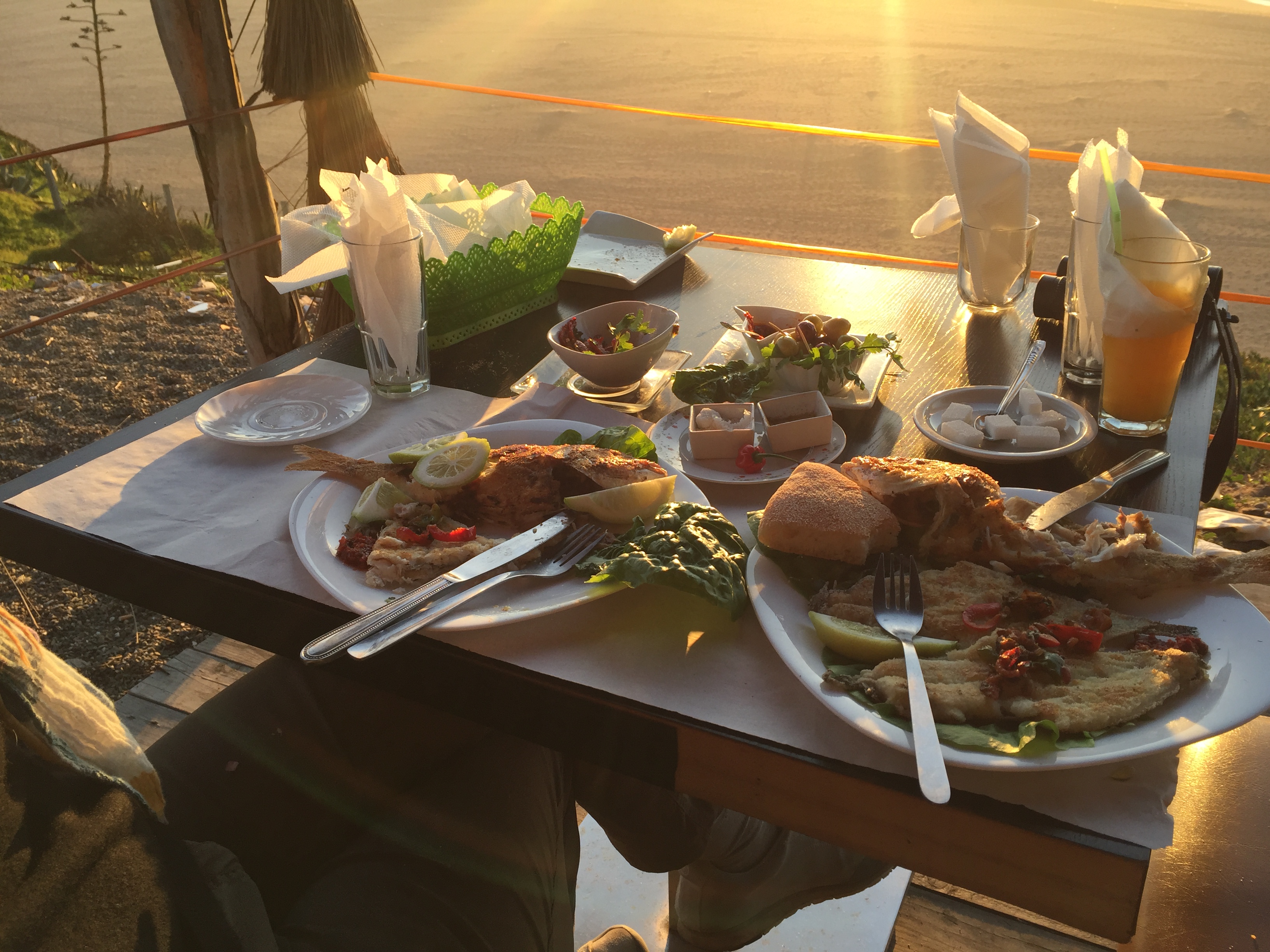
Our evening meal, overlooking the sea.

The next day dawned misty and cold and we headed off to a small town an hour away for a huge local Sunday market. Two hours later we arrived, but that’s another story. When we got back we checked our messages to find Omar had invited us to his home the following day. After a couple of WhatsApp video chats, everything was set. He would pick us up at 9.00am, we would buy food, eat at his home, look at his village, go to Larache, a beautifully elegant seaside town, and then be returned to our campsite. It was a risky opportunity and we accepted graciously. We were now ‘Omars Amigos’.

The campsite service vehicle, emptying the bins.

The next day went to plan. We were picked up, we shopped in Omar’s local town for fish, vegetables and fruit and then whizzed off to chez Omar, deep in the Moroccan hinterland.

Shopping in Omar’s nearest town

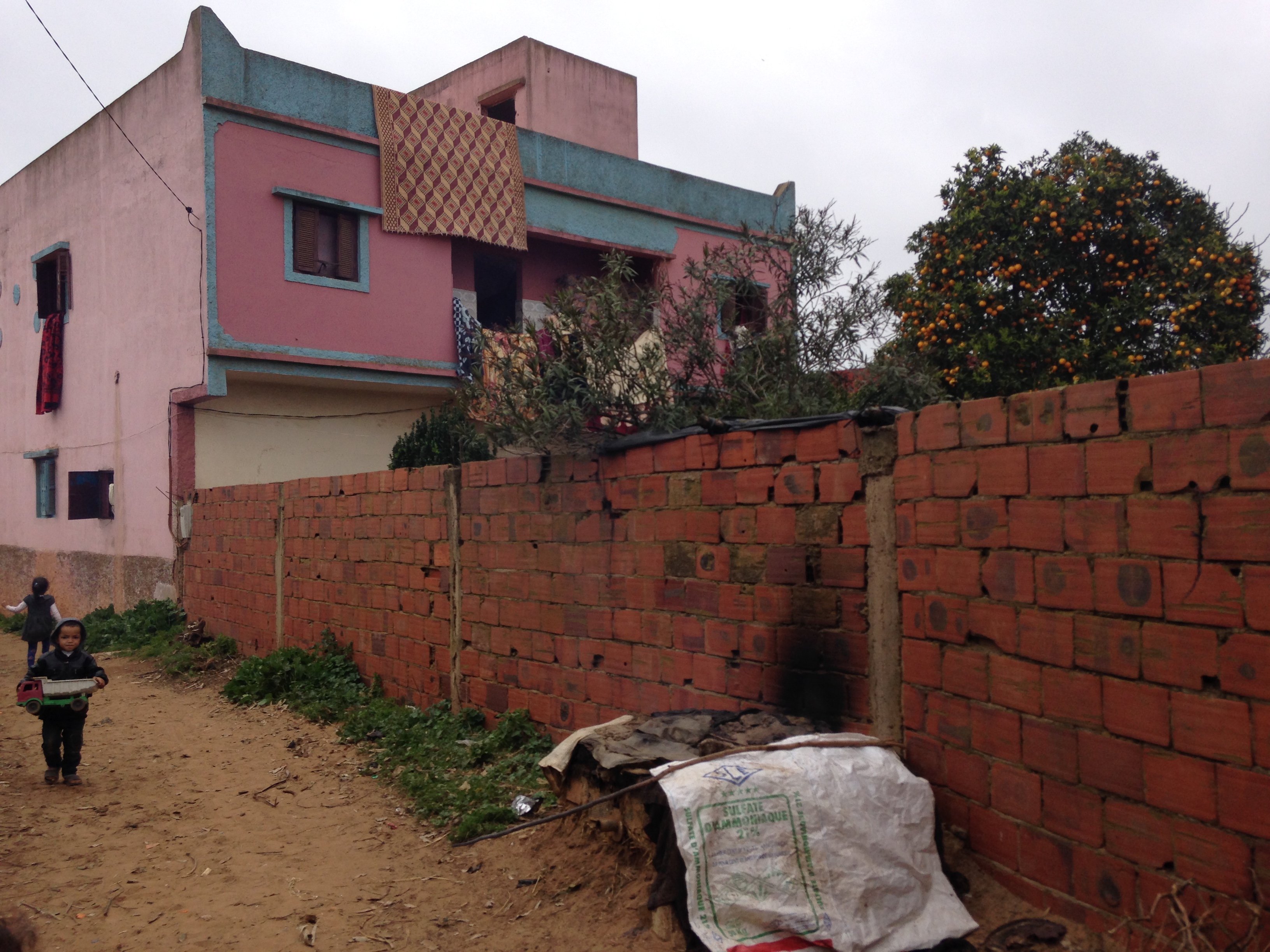
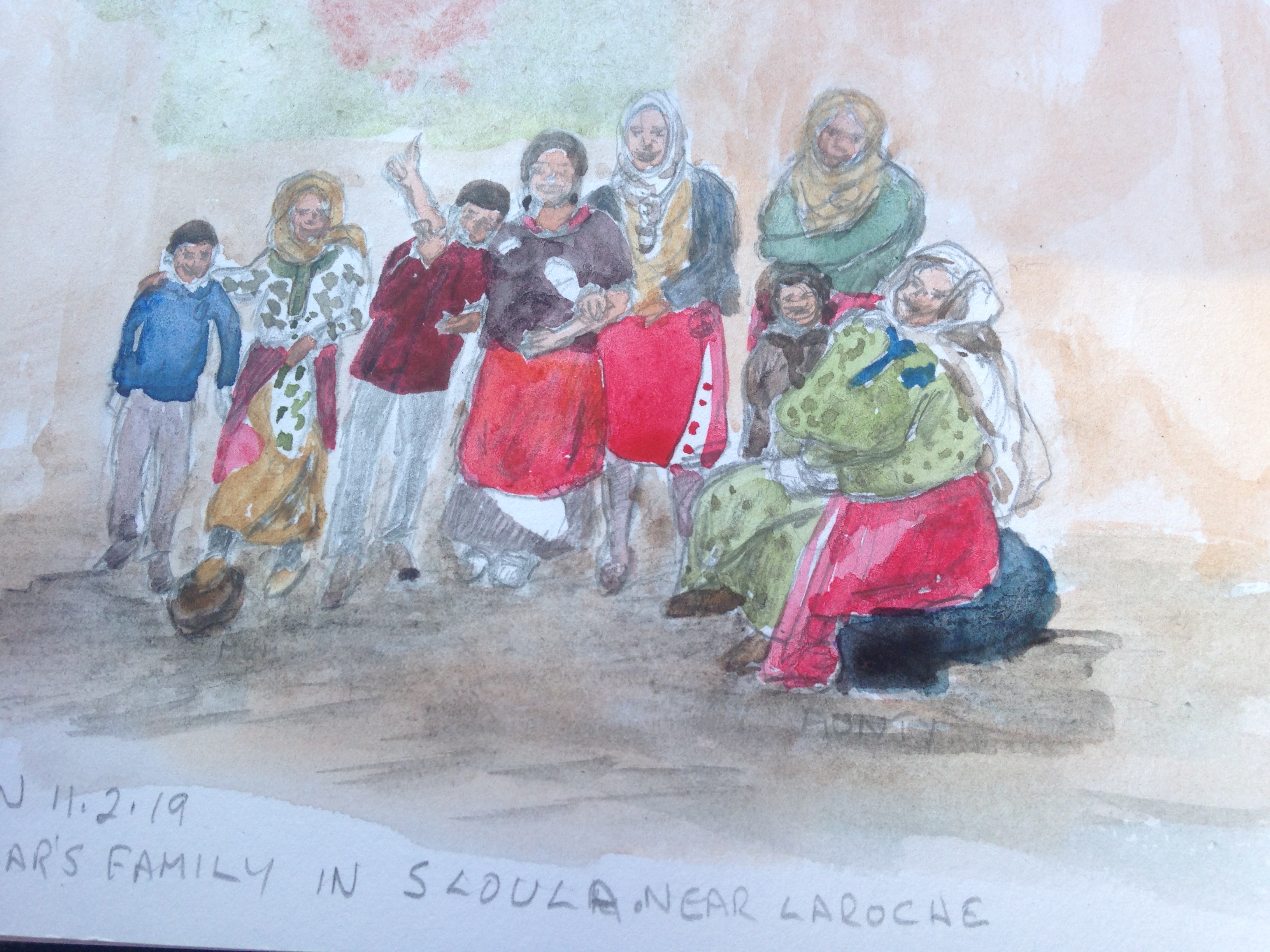
His little village; cart wide mud tracks, no tarmac, well water, jury rigged house electricity, small junior school and a small mosque, buildings limewashed in pinks, sand and blues. The whole place feels like a warren of tunnels. Behind the ubiquitous 2m high, walls and double steel gates, was the milk seller, behind others, their father, brother, cousin (mi prima/o), uncle. Suddenly the lanes dissolve into a clearing and there is a tiny shop, bustling with buyers, and someone repairing a vehicle, horses and carts ply their trade; and then we squeeze back into the maze. It all flashed by so fast.

Omar’s uncle’s house.

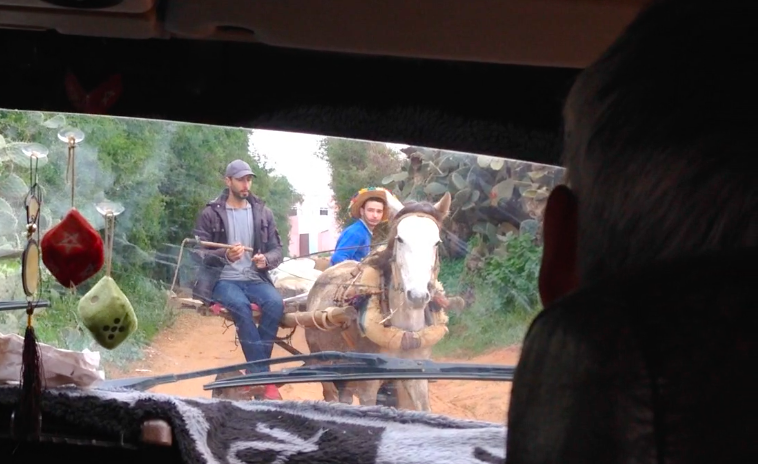
Here the horse and cart rule. For Omar to own and run a car is a status symbol and a source of income. He ferries people to and fro within the dirt track system that he calls home. It is a place no ‘Petit Taxi’ dares to enter, for fear of the damage that would be done to the cars suspension.

The more usual transport here, horse and cart.

We had to wait for the food to be cooked by the women of the family. The men and I chatted and drank tea and water, in a pristine sitting room, as Omars mother presided. Mum and I wandered in and out of the man space and gave a hand with the food preparations. It was a chance to meet every one else.

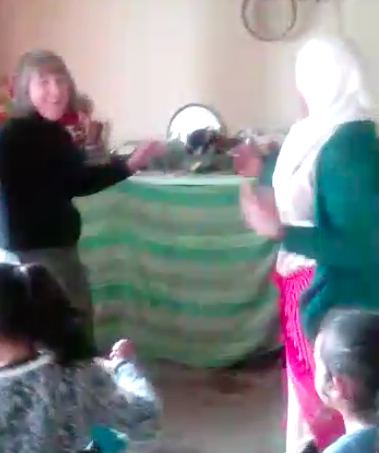
Dancing in the kitchen with the women and children.

After our meal, eaten with no cutlery, in a different, equally beautiful room, whilst sitting on softly upholstered, ground level seats, at low level tables, I was dragged away by mum. The women and children had cleared the kitchen and it now it became a disco. And we danced.

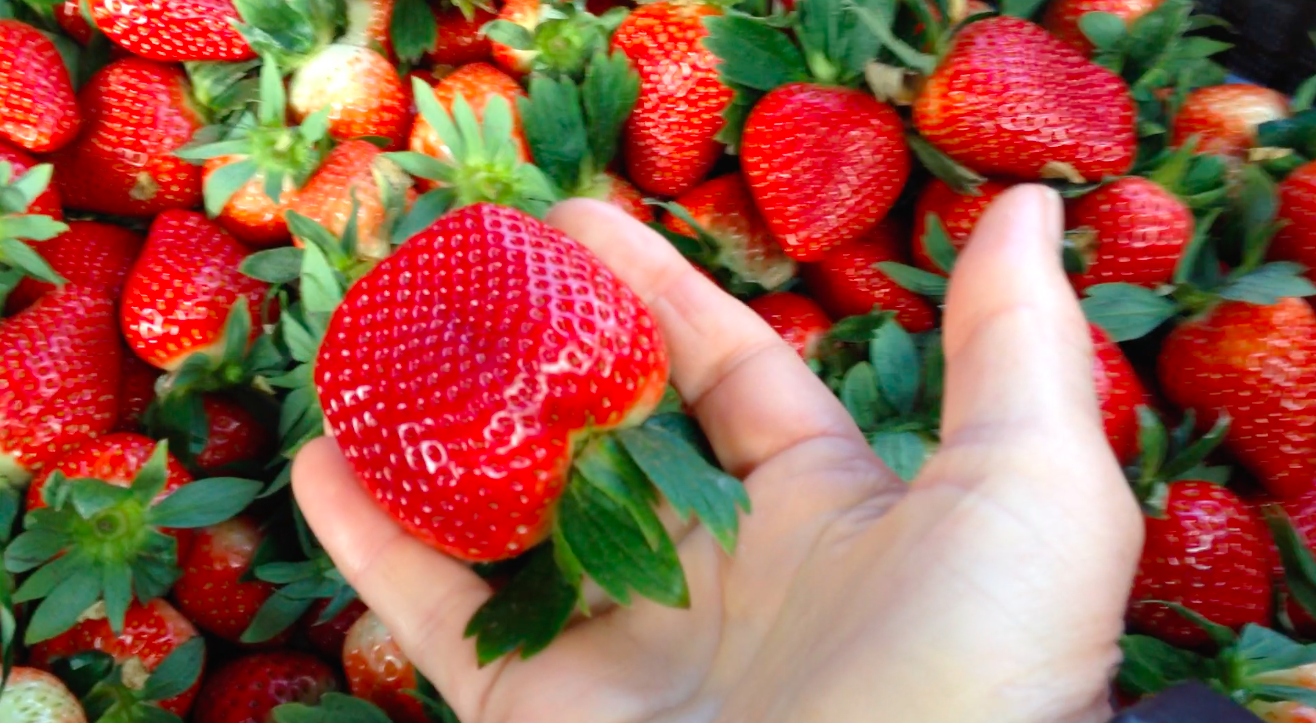
Locally grown strawberries.

Soon Omar turned up and dragged me away from the party; I seem to be popular in these parts. It was time to head off to Larache and then afterwards back to the campsite.

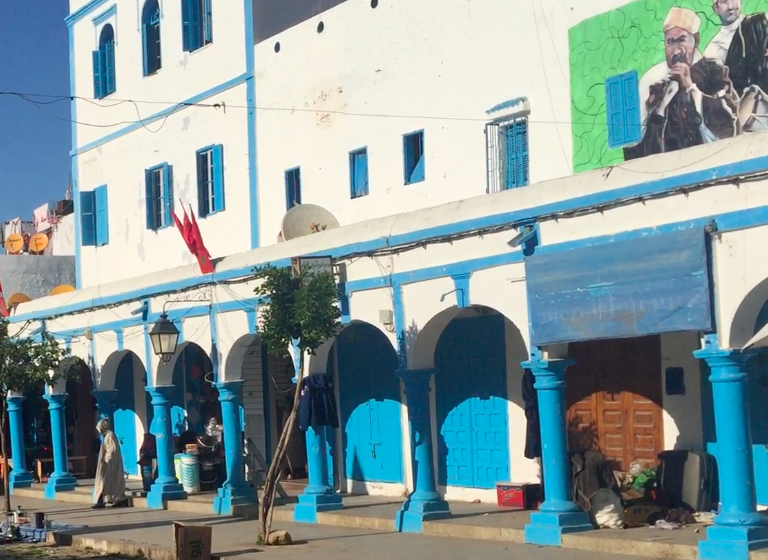
We recommend Larache. The influence of the French is evident. This place has it all, sandy beaches, fishing port and market, ancient Spanish fort and a fading charm that is hard to resist.

Larache.

We were returned to the campsite to find the Chinese Emperor and the German couple gone. We now have a new neighbour. Let’s see what tomorrow brings.